Why this site exists
You’re standing in the kitchen, staring at a recipe card, and something isn’t right. The ingredients don’t add up, the steps feel vague, or the result never matches the photo.
The dish either falls apart or tastes like something you’d order at a chain restaurant—not the kind of meal that lingers.
This site exists to fix that. Every recipe here is tested until it works, written so you can follow it without guessing, and built to deliver the kind of flavor that makes you pause mid-bite.
No shortcuts, no gimmicks—just food that tastes like it was made with care, even if you’re the one holding the spoon.
Who writes this site

Roland Rivas runs the site as Founder & Editor.
Do you really test every recipe that many times?
Yes. If a dish doesn’t work the first three tries, it’s not published. That’s why some techniques—like perfecting a vinaigrette—take months to get right. Patience beats shortcuts every time.
What do you get wrong the most?
Salt. Always salt. I’ll overdo it, then panic and undercorrect, and suddenly the whole dish tastes flat. It’s a lesson I relearn with every batch of homemade pasta.
Why isn’t that popular dish here?
If it’s already everywhere—like a basic Caesar or a sad restaurant version of pad thai—there’s no point. But if it’s a forgotten family recipe or a twist on a classic, you’ll find it here.
The kitchen radio is always tuned to old jazz stations, even when no one’s listening. It’s how abuela cooked, and it’s how the flavors stay loose.
How a recipe is built
A recipe starts with a memory: a meal that stuck, a flavor that haunted, or a dish that failed spectacularly. The goal isn’t perfection—it’s truth. If something tastes like home, or like a Tuesday night in a tiny café, that’s the target.
The first draft
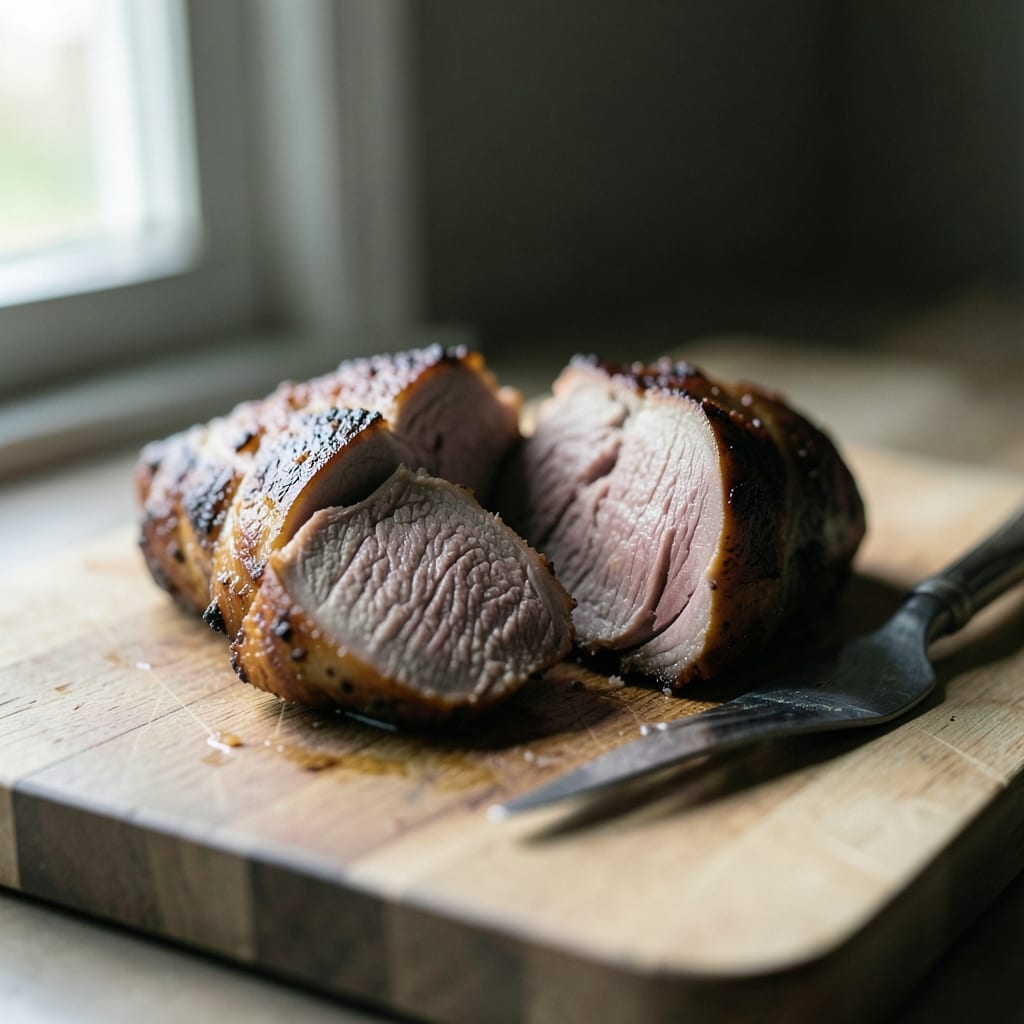
The first attempt is always messy. Ingredients are eyeballed, times are guessed, and half the steps are scribbled on a napkin. The point isn’t to nail it—it’s to find what *could* work. Sometimes that means swapping an ingredient, other times it means letting a sauce sit overnight.
No recipe is final until it’s been through this chaos.
The fix
The second round is where the real work happens. Measurements are weighed, temperatures are tested, and every variable is tweaked—one at a time. If a dish still falls apart, it’s not laziness; it’s science. Why does the crust crack? Why does the sauce split?
The answer isn’t always obvious, but it’s always there.
What we will not do
This isn’t a place for gimmicks, trends, or dishes that exist only to look pretty on Instagram. If a recipe requires a $200 tool or a technique that takes hours to master, it won’t be here.
The focus is on food that’s worth the effort—but not at the cost of your evening.
Things you will never find here
- Recipes that require more than five ingredients (unless they’re worth it).
- Dishes that rely on ‘food styling’ over actual flavor.
- Anything that can’t be made in under an hour (or doesn’t taste better for the wait).
- Steps that assume you own a restaurant kitchen.
Where to start
If you’re new, begin with the Beginner’s Guide—it covers the basics without talking down. The Weeknight Dinners section is for when you’re tired and need something reliable. Can’t find what you’re looking for? Try the Search by Flavor tool or check the Archive for older posts. No fluff, just answers.
Say hello
The best emails are the ones that start with ‘Your dish name was amazing, but…’ or ‘I made it with substitute, and it changed everything.’
The recipes are grouped by category: Appetizers, Beverages, Breakfast & Brunch, Desserts, Main Courses and Reviews.