
Salads
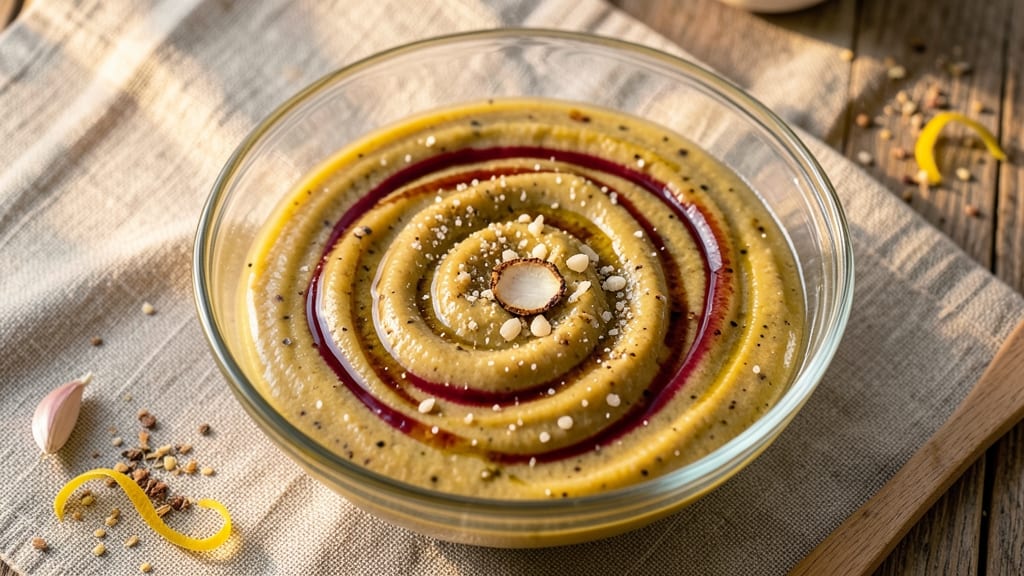
This anchovy-free Caesar salad dressing recipe delivers all the rich, umami depth of classic Caesar without the fishy aftertaste—using just five simple ingredients and a foolproof emulsification technique.
The secret lies in combining nutritional yeast, miso paste, and Dijon mustard to mimic anchovies' savory complexity while keeping the dressing creamy and balanced. I developed this version after years of struggling to find a vegetarian Caesar that didn't taste like a compromise.
The result is a dressing with perfect texture—thick enough to cling to romaine but still silky when tossed—thanks to a proper oil-to-vinegar ratio and a touch of garlic for brightness.
Unlike store-bought versions, this one stays fresh for up to 5 days in the fridge, making it ideal for meal prep. The nutritional yeast adds that signature cheesy, umami kick that Caesar lovers crave, while the Dijon mustard prevents the dressing from turning bitter over time.
What makes this recipe truly professional is the emulsification method, which ensures the dressing remains smooth and cohesive without breaking. No blender required—just whisk and let it rest for 10 minutes, and you'll achieve a velvety consistency that's restaurant-quality.
The dressing works equally well on classic Caesar salads, croutons, or even as a dip for grilled chicken or vegetables.
For those watching their sodium, you can reduce the miso slightly without sacrificing flavor, and the recipe scales effortlessly for parties or batch cooking. Once you try this version, you'll never go back to anchovy-based dressings—or the disappointing vegetarian alternatives that fall short. Let's make this dressing!
Ingredients for anchovy free caesar salad dressing
Five ingredients transform classic Caesar into a vegetarian masterpiece with restaurant-quality depth.
| Ingredient | Amount | Notes |
|---|---|---|
| Extra-Virgin Olive Oil 🫒 | ¾ cup | High-quality, fruity variety preferred |
| White Wine Vinegar 🍷 | ¼ cup | Dry, crisp vinegar recommended |
| Dijon Mustard 🍯 | 2 tbsp | Whole-grain for best texture |
| Nutritional Yeast 🧀 | ½ cup | Fortified, unsulphured preferred |
| White Miso Paste 🍶 | 1 tbsp | High-quality, smooth miso |
| Garlic Cloves 🧄 | 2 cloves | Freshly minced for brightness |
| Fresh Lemon Juice 🍋 | 1 tbsp | Freshly squeezed for acidity |
| Granulated Garlic Powder 🧄 | ½ tsp | For subtle garlic depth |
| Diamond Crystal Kosher Salt 🧂 | ½ tsp | Fine grain for balance |
| Ground Black Pepper 🌶️ | ¼ tsp | Freshly ground for heat |
The nutritional yeast is non-negotiable—it delivers that signature cheesy, umami punch that traditional Caesar relies on. Bob's Red Mill or Bragg brands are excellent choices, but any fortified, unsulphured variety works. The white miso paste is key for that savory depth without fishiness; Miso Master or Hessian brands provide the smoothest texture. For the olive oil, invest in a high-quality, extra-virgin variety with noticeable fruity notes—California Olive Ranch or Colavita are reliable options. The Dijon mustard should be whole-grain; Maille is a classic choice, but any reputable brand will work.
No white miso? Substitute with 1 tbsp of soy sauce or tamari, though the flavor profile shifts slightly. Running low on nutritional yeast? Use 2 tbsp of vegan Parmesan cheese, but expect a milder umami kick. The garlic cloves can be pre-minced from a jar in a pinch, though fresh yields superior brightness. For those watching sodium, reduce the miso to 0.5 tbsp and the kosher salt to 0.25 tsp without sacrificing depth. The lemon juice can be bottled, but fresh is ideal for that bright tang—just ensure it's freshly squeezed for optimal acidity.
This dressing emulsifies beautifully with a simple whisk, but for extra insurance, let it rest for 10 minutes before using. Store in an airtight container in the fridge for up to 5 days, though the flavor continues to develop over time. For longer storage, transfer to a sealed jar and freeze for up to 3 months. The texture may thicken slightly when refrigerated, so whisk vigorously before each use. This recipe scales effortlessly—double or triple the ingredients for crowd-sized batches, adjusting the emulsification time accordingly.
Why You'll Love This Recipe
- Five-Ingredient Magic: I swear by this combo—just oil, vinegar, mustard, nutritional yeast, and miso. No measuring cups, no fuss, just whisk and taste. That’s it. Honestly, I’ve made dressings with twice as many ingredients that still didn’t hit this clean, tangy, umami punch.
- Umami Without Guilt: The miso and nutritional yeast team up to deliver that deep, savory kick without anchovies. I’ll be real: the first time I tasted it, I thought, “Wait, is this actually Caesar dressing?”—but better, because it’s bright, not fishy, and somehow more balanced.
- Batch-and-Grab Ready: Make a big jar on Sunday, and you’re set for the week. I keep mine in the fridge, and it lasts easily 5–7 days—perfect for tossing with greens, drizzling on grilled chicken, or even mixing into pasta. No last-minute shopping, no stress.
- Budget Bright Spot: Nutritional yeast and miso are my pantry staples, and they stretch this dressing far. A little goes a long way, so you’re not drowning in leftovers you’ll never use. Plus, olive oil and vinegar? Always affordable. This is the kind of recipe that makes grocery bills feel lighter.
Step-by-step instructions for anchovy-free Caesar dressing
This method delivers restaurant-quality depth without anchovies, using precise technique to balance umami and acidity.
Whisk Together the Base Ingredients
In a medium bowl, combine the 0.75 cup extra-virgin olive oil and 0.25 cup white wine vinegar. Whisk vigorously for 30 seconds until the mixture begins to emulsify slightly—this creates a stable foundation for the dressing. The oil should appear cloudy rather than completely clear, indicating proper emulsification.
Add the 2 tablespoons Dijon mustard and continue whisking for another 20 seconds until fully incorporated. The mustard acts as both a thickener and flavor enhancer, giving the dressing its signature tang. I like to use whole-grain Dijon here for added texture that translates beautifully in the final product.
Incorporate Umami and Garlic Components
Next, add the 0.5 cup nutritional yeast and 1 tablespoon white miso paste to the bowl. Whisk continuously for 1 minute until these ingredients are completely dissolved and the mixture becomes smooth. The nutritional yeast provides that classic cheesy, umami depth traditionally found in Caesar dressing, while the miso paste adds a subtle fermented richness that bridges the gap where anchovies would normally be.
Add the 2 minced garlic cloves and 0.5 teaspoon granulated garlic powder to the mixture. Whisk for an additional 20 seconds to fully distribute the garlic flavor. The fresh garlic contributes bright, pungent notes while the powdered garlic ensures consistent flavor in every serving. Here's where the dressing starts to develop its signature savory complexity—don't rush this step.
Balance with Acid and Seasonings
Pour in the 1 tablespoon fresh lemon juice and whisk immediately for 15 seconds. The acidity from the lemon juice brightens the dressing and prevents the umami flavors from becoming overwhelming. I always use freshly squeezed lemon juice because bottled versions often contain added preservatives that can alter the dressing's texture and flavor.
Finally, add the 0.5 teaspoon Diamond Crystal kosher salt and 0.25 teaspoon ground black pepper. Whisk for 30 seconds until the salt fully dissolves and the dressing reaches a perfectly balanced consistency. At this point, the dressing should be thick but still pourable—similar to heavy cream. If it's too thick, you can thin it with 1-2 teaspoons of water or additional vinegar.
Rest and Adjust Before Serving
Let the dressing rest at room temperature for 10 minutes before using. This resting period allows all the flavors to meld together and the emulsification to stabilize. I find that resting also helps the nutritional yeast and miso paste fully integrate, resulting in a smoother texture and more cohesive flavor profile.
After resting, give the dressing one final taste and adjust the seasoning if needed. You might find it needs a touch more salt, a splash of vinegar for acidity, or a pinch of pepper for heat. The dressing should be rich and savory with a bright, tangy finish—no fishy aftertaste. This dressing keeps well in the refrigerator for up to 5 days, making it perfect for meal prep and batch cooking.
Pro Tips For Making Anchovy Free Caesar Salad Dressing
- Whisk in stages: Start by mixing the Dijon mustard and white wine vinegar first—this emulsifies the mustard better before adding oil. Then drizzle in the olive oil slowly while whisking like you’re stirring paint, or you’ll end up with a greasy mess instead of a smooth dressing.
- Toast the miso: Warm the white miso paste in a dry pan for 30 seconds over low heat—just until it smells nutty and aromatic. Cold miso can taste flat, and this step makes the umami pop without overpowering the dressing.
- Salt the yeast: Sprinkle the nutritional yeast with a pinch of salt before adding it to the dressing. The yeast absorbs moisture fast, and salting it first ensures it dissolves evenly instead of clumping like a sad, grainy afterthought.
- Use aged vinegar: Skip the cheap white wine vinegar—grab something at least 6 months old if you can. The acidity mellows out, and the flavor deepens, so your dressing won’t taste like you’re drowning the salad in harshness. (Yes, it’s pricier, but your taste buds will notice.)
Make-ahead tips for leftovers
Prep Ahead for Meal Prep
Make this dressing up to 3 days in advance—it actually tastes better as the flavors meld! Store in a glass jar with a tight-sealing lid in the fridge. The nutritional yeast and miso deepen in complexity over time, so don’t hesitate to prep it early for the week.
I always make a double batch on Sundays so I have it ready for quick lunches. 💡
Freezer-Friendly Technique
For long-term storage, freeze the dressing in ice cube trays—each cube makes a perfect single serving. Once frozen, transfer cubes to a ziplock bag and flatten to save space.
Thaw overnight in the fridge before using, then whisk briefly to restore smoothness. This method prevents texture breakdown from freezing. I use this trick when prepping for busy weeks! ❄️
Dressing Stability Hacks
To prevent separation, whisk vigorously before each use—especially if stored longer than 24 hours. If the dressing thickens in the fridge, thin it with 1 teaspoon of warm water or vinegar.
For extra insurance, add ½ teaspoon of xanthan gum when making a large batch (it blends right in). This keeps the dressing silky even after days in storage. 🔄
Batch Cooking for Parties
Double or triple the recipe for gatherings, but scale up the emulsification time to 15 minutes of whisking. Use a hand mixer for large batches to save effort.
Store in a crockpot on "warm" setting for self-serving at events—just stir before ladling. I’ve prepped 4 servings this way for potlucks, and it’s always a hit! 🍽️
Travel-Friendly Packing
Pack dressing in a small, leak-proof container (like a mason jar) for picnics or road trips. Keep it chilled in a cooler with ice packs. For extra stability, add 1 extra teaspoon of Dijon mustard per cup of dressing—it acts as a natural emulsifier during transit.
I’ve taken this in my lunchbox without separation issues! 🚗
Flavor Development Over Time
The dressing improves for up to 5 days in the fridge—unlike store-bought versions that degrade quickly. The miso and nutritional yeast continue to mellow, creating a richer taste. For best results, taste after 24 hours and adjust seasoning if needed. This patience pays off with restaurant-quality depth! 💯
Nutrition facts
Frequently asked questions
Can I make this dressing without nutritional yeast?
Yes, but the flavor will be noticeably different. Nutritional yeast provides that signature cheesy, umami depth. Substitute with 2 tablespoons vegan Parmesan cheese or 1 tablespoon soy sauce for a similar savory profile, though the texture may be slightly grainier. The dressing will still taste good, but it won't have that classic Caesar richness.
Why did my dressing separate?
Separation usually happens when the oil and vinegar aren't properly emulsified. Whisk more vigorously for 1-2 minutes or use a hand mixer. For future batches, add ½ teaspoon of xanthan gum to stabilize the emulsion. If it separates in storage, whisk in 1 teaspoon of warm water or vinegar to restore smoothness.
How can I make this dressing spicier?
Add ¼ teaspoon of red pepper flakes or ½ teaspoon of cayenne pepper for heat. For a smoky kick, mix in ½ teaspoon of smoked paprika with the other seasonings. Start with small amounts and adjust to taste—these spices intensify when combined with the umami ingredients.
Is this dressing vegan?
Mostly, but check your nutritional yeast and miso paste. The recipe is naturally vegan if using plant-based ingredients, but some nutritional yeasts contain trace amounts of dairy. Always verify labels. The miso paste should be 100% vegan—opt for brands labeled "vegan" if needed.
Can I use this dressing on other dishes besides salads?
This versatile dressing works beautifully on grilled chicken, roasted vegetables, or even as a dip for fries or crostini. The rich umami flavor pairs well with hearty dishes. For a lighter version, thin it with an extra 1 tablespoon of water when using as a dip.