
Salads
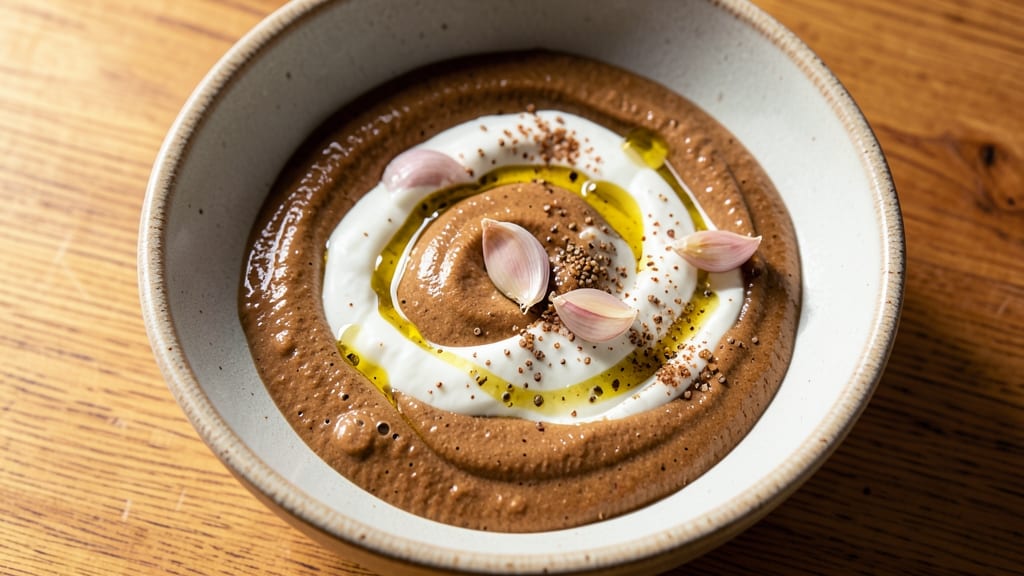
This Arabic salad dressing recipe transforms your greens with a bold, tangy blend that’s equal parts zesty and creamy. The marriage of bright lemon, nutty tahini, and aromatic spices like cumin and sumac creates a dressing that’s both traditional and versatile—perfect for tabbouleh, grain bowls, or grilled meats.
What sets this apart is the balance: tahini adds richness without overpowering, while fresh herbs keep it vibrant and fresh.
The foundation is simple: whisk together tahini, lemon juice, and garlic for an immediate burst of flavor, then emulsify with olive oil for a silky texture. A touch of yogurt (optional) adds creaminess, while sumac and cumin bring that signature Middle Eastern warmth.
The result is a dressing that clings beautifully to salads, drizzles effortlessly over roasted vegetables, and elevates even the simplest dish with depth.
What makes this recipe stand out is its adaptability—use it as-is for a classic tahini-lemon dressing, or adjust the ratios for a lighter vinegar-based version by swapping in more lemon and a splash of apple cider vinegar.
Store it in the fridge for up to a week, where the flavors deepen over time. This isn’t just dressing; it’s a flavor booster that turns ordinary meals into something extraordinary.
For an extra layer of complexity, fold in finely chopped fresh herbs like parsley or mint just before serving. The dressing’s versatility means it works equally well as a marinade for chicken or a finishing drizzle for hummus.
Let’s bring the bright, bold flavors of the Mediterranean to your table with this foolproof recipe.
Ingredients for arabic salad dressing
Eight ingredients blend to create this vibrant, aromatic dressing perfect for Middle Eastern dishes.
| Ingredient | Amount | Notes |
|---|---|---|
| Tahini 🥜 | ½ cup | Sesame paste, unsweetened |
| Fresh Lemon Juice 🍋 | ½ cup | Strained, no pulp |
| Extra-Virgin Olive Oil 🫒 | ¾ cup | Light fruity variety |
| Plain Yogurt 🥛 | ¼ cup | Greek or regular, optional |
| Garlic Cloves 🧄 | 3 cloves | Peeled, minced |
| Ground Cumin 🌿 | 1 tsp | Freshly toasted preferred |
| Sumac 🍃 | 1 tbsp | Finely ground |
| Fresh Parsley 🌿 | ¼ cup | Chopped, stems removed |
| Salt 🧂 | 1 tsp | Diamond Crystal preferred |
| Black Pepper 🌶️ | ½ tsp | Freshly ground |
Tahini is the heart of this dressing—look for 100% sesame paste without additives at Whole Foods or Middle Eastern markets. The lemon juice should be freshly squeezed (bottled lacks brightness), and the olive oil should be light and fruity—avoid strong, peppery varieties that can overpower. For the garlic, toast the cloves lightly in olive oil first to mellow their sharpness. Sumac is key for that signature tang; find it in the spice aisle or at specialty stores like Penzeys—it's worth the hunt for authentic flavor.
No tahini? Substitute with 3 tbsp of hummus plus 2 tbsp olive oil, though texture will differ slightly. Skip the yogurt for a lighter version, or use vegan yogurt if needed. Fresh herbs like mint can replace parsley at the same amount—just fold them in last. For extra zing, add 1 tsp apple cider vinegar to the lemon juice. The dressing's balance relies on emulsification, so whisk ingredients slowly while streaming in olive oil to prevent separation. If it breaks, stir in 1 tsp warm water to recombine.
Store in a sealed jar in the fridge for up to 7 days, where flavors meld beautifully. Shake before each use—it naturally separates slightly. For longer storage, freeze for 3 months in ice cube trays, then transfer to a container. This dressing enhances everything from tabbouleh to grilled vegetables; its versatility makes it a pantry staple worth making in bulk. The herbs can be added fresh just before serving to maintain their vibrant color and aroma.
Why You'll Love This Recipe
- Five-Ingredient Magic: I swear by this combo—no fancy gadgets, just a bowl and a whisk. The tahini and yogurt blend like they’ve been friends forever, while the lemon brightens everything up in seconds.
- Garlicky Zing: That raw garlic and tahini marriage? It’s the kind of flavor that lingers but doesn’t overpower—creamy, nutty, with a punch that makes salads taste like a restaurant dish.
- Meal Prep MVP: I make a big batch on Sundays and toss it on everything—grilled chicken, roasted veggies, even as a dip. Honestly, it’s the only dressing I need for the week.
- Budget Brightener: Tahini and yogurt stretch my grocery budget further than store-bought dressings ever did. Plus, the olive oil and lemon? Pantry staples that don’t break the bank.
Step-by-step instructions for zesty lemon-tahini dressing
This method delivers a perfectly balanced dressing with vibrant citrus notes and nutty depth.
Whisk Tahini and Lemon Juice Until Smooth
In a medium bowl, combine the 0.5 cup tahini with the 0.5 cup fresh lemon juice. I use a whisk for this step because it helps emulsify the tahini while incorporating air, which prevents the dressing from becoming too thick. Start whisking vigorously for about 2-3 minutes until the mixture becomes completely smooth and homogeneous.
Here's the thing—tahini can be stubborn. If you notice any graininess or separation, add 1-2 tablespoons of warm water one at a time while continuing to whisk. The goal is a silky, pourable consistency that will blend seamlessly with your salad. If it's too thick at this stage, don't worry—we'll adjust it later with olive oil.
Gradually Incorporate Olive Oil and Yogurt
With the whisk still moving, very slowly drizzle in the 0.75 cup extra-virgin olive oil. I emphasize "slowly" because adding oil too quickly will cause the dressing to separate. Add it in a thin, steady stream while whisking continuously until fully incorporated. The mixture should begin to lighten in color and take on a creamy texture.
Next, stir in the 0.25 cup plain yogurt using a silicone spatula. This step adds tanginess and helps balance the richness of the tahini. The yogurt should blend in smoothly without creating lumps. If you're using Greek yogurt, it will be slightly thicker, so you may need to thin the dressing with an additional 1 tablespoon of water if needed.
Add Aromatics and Seasonings
In a small bowl, combine the 3 minced garlic cloves, 1 tsp ground cumin, 1 tbsp sumac, 0.25 cup chopped fresh parsley, 1 tsp salt, and 0.5 tsp black pepper. Give these ingredients a quick stir to distribute the sumac evenly—it tends to clump. Then, add this mixture to your dressing and whisk vigorously for another 1-2 minutes.
This is where the dressing comes together. The garlic adds depth, the cumin brings earthy warmth, and the sumac provides that signature tangy brightness. The parsley not only adds freshness but also brightens the color of the dressing. Taste at this point—you might need to adjust the seasoning. If it's too strong, add a bit more olive oil to mellow the flavors. If it's too mild, add a pinch more salt or a squeeze of lemon.
Thin and Adjust to Perfect Consistency
At this stage, the dressing should be thick but pourable. If it's too thick for your liking, gradually add 1-2 tablespoons of water at a time while whisking until it reaches a consistency you prefer—something between a thick vinaigrette and a light creamy dressing. For a salad, I like it slightly thicker so it clings well to greens and vegetables.
Give the dressing one final taste and make any necessary adjustments. It should be bright from the lemon, nutty from the tahini, tangy from the sumac, and well-balanced with the garlic and cumin. If you're using this dressing for grilled meats or as a dip, you might want it slightly thicker. For a lighter salad application, thin it a bit more with water or a splash of lemon juice.
Rest and Serve
Cover the dressing and let it rest at room temperature for at least 15 minutes before serving. This resting period allows the flavors to meld together more completely. The dressing will also thicken slightly as it sits, which is ideal for tossing with salads or drizzling over dishes.
When ready to use, give the dressing one final whisk or stir to ensure everything is well combined. The color should be a vibrant golden yellow with flecks of green from the parsley. Drizzle it over your favorite salads, use it as a marinade for grilled vegetables, or serve it alongside flatbreads for dipping. The dressing keeps well in the refrigerator for up to 5 days, though I find it's best used within the first 2-3 days for optimal freshness.
Pro Tips For Making Arabic Salad Dressing
- STRAIN THE TAHINI: If your tahini’s thick or gritty, don’t just stir—pour it through a fine-mesh sieve into a bowl. This removes the sediment that makes the dressing clump, especially when mixed with yogurt. I learned this the hard way after scraping tahini globs off my whisk for three batches.
- WHISK THE GARLIC FIRST: Mince the garlic before adding it to the tahini and lemon. Whisk it into the tahini-lemon mix for 30 seconds—this emulsifies it better than dumping it in later. The garlic will blend smoother, and you’ll avoid that telltale "separating" look after 10 minutes.
- SALT THE YOGURT: Season the yogurt with a pinch of salt before mixing it in. Plain yogurt tastes bland when diluted, and adding salt upfront balances the tang. Skip this, and your dressing will taste flat—like someone forgot the seasoning until the last second.
- DRIZZLE THE OIL SLOWLY: Pour the olive oil in a thin, steady stream while whisking vigorously. This creates a proper emulsion instead of a split dressing. Yes, it takes patience, but rushing it leads to a sad, oily mess that won’t cling to your salad. (Your future self will thank you.)
Wine and beer pairings for these flavors
White Wine Pairings
For this bright, citrus-forward dressing, I reach for a crisp Sauvignon Blanc from New Zealand or Loire Valley. The zesty acidity mirrors the lemon and sumac, while its herbal notes complement the parsley beautifully.
A glass of Vermentino from Sardinia also works wonderfully—its mineral finish cuts through the tahini's richness without overpowering. 🍷
Light Beer Options
A refreshing Belgian witbier like Hoegaarden or Stella Artois pairs perfectly with this dressing's herbal and tangy profile. The citrusy coriander notes in these beers echo the lemon and sumac, creating a harmonious balance.
For something lighter, try a German Helles Lager—its clean, crisp character lets the dressing's flavors shine.
Red Wine for Heartier Dishes
If using this dressing with grilled meats or rich dishes, a medium-bodied Grenache from Spain or Pinot Noir from Oregon complements the cumin and garlic notes beautifully.
The fruitiness in these reds bridges the gap between the dressing's brightness and the meat's depth. Avoid heavy, tannic reds that would clash with the lemon's acidity.
Non-Alcoholic Alternatives
For a sparkling non-alcoholic option, try San Pellegrino Aranciata—its blood orange flavor enhances the citrus notes in the dressing. For still drinks, ginger beer (like Feather's) adds a subtle spice that pairs wonderfully with the cumin and sumac.
A simple sparkling water with lemon twist also works beautifully, letting the dressing's flavors take center stage.
Regional Pairing Tips
In Lebanon, this dressing is often paired with manakish (za'atar flatbread) and a cold ayran (yogurt drink). For a more modern twist, I've enjoyed it with grilled halloumi and a chilled Greek Assyrtiko white wine.
The key is balancing the dressing's richness with something light and refreshing—whether it's a crisp wine, effervescent beer, or simple sparkling water.
Nutrition facts
Frequently asked questions about Arabic salad dressing
Can I make this dressing without tahini?
Yes, but the flavor will change significantly. For a tahini-free version, replace the 0.5 cup tahini with 3 tbsp hummus plus 2 tbsp olive oil. This creates a lighter, less creamy dressing that still carries the lemon and herb flavors. The texture will be thinner, so you may need to reduce the olive oil slightly (0.5 cup instead of 0.75 cup) to maintain balance.
How do I prevent the dressing from separating?
Emulsification is key! Always whisk the tahini and lemon juice first until completely smooth, then slowly drizzle in olive oil while whisking continuously. If separation occurs, stir in 1 tsp warm water to recombine. For extra stability, add 1 tsp Dijon mustard when incorporating the oil. Store in a tightly sealed jar and shake before each use.
What's the best way to store leftover dressing?
Keep it refrigerated in an airtight container for up to 7 days. The flavors actually deepen over time! For longer storage, freeze in ice cube trays (up to 3 months) and thaw overnight in the fridge. Always shake well before using—it naturally separates slightly when refrigerated. The yogurt component may thicken further when cold, so thin with water if needed.
Can I use this dressing on cooked proteins?
This dressing works beautifully as a marinade for chicken, lamb, or shrimp—let it sit for 30 minutes before cooking. For grilled meats, brush it on during the last 2-3 minutes of cooking. The sumac and cumin add wonderful depth to proteins, while the lemon keeps them juicy. Just avoid using it on delicate fish that might overpower the natural flavor.
What herbs can I substitute for parsley?
Fresh mint or cilantro work beautifully in equal amounts. For a Mediterranean twist, try dill or fennel fronds. If using dried herbs, reduce to 1/3 the amount (e.g., 1 tsp dried parsley instead of 0.25 cup fresh). Always add fresh herbs just before serving to preserve their vibrant color and aroma. The parsley's mild flavor makes it the most versatile choice, but these alternatives add exciting variations.