
Salads
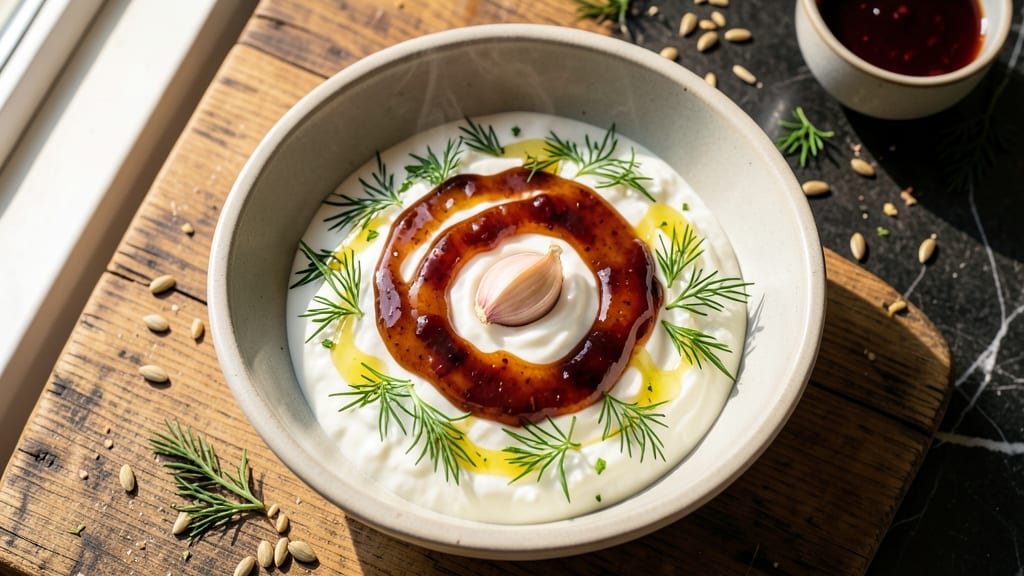
This Armenian salad dressing recipe transforms simple yogurt into a vibrant, herb-infused sauce that brings bold flavors to any dish. The secret lies in balancing creamy yogurt with bright lemon, fresh herbs like tarragon and dill, and a touch of pomegranate molasses for that signature zing.
I developed this version after years of testing—it’s the one that finally captured the essence of Armenian cuisine in a single spoonful.
The dressing starts with thick Greek yogurt as its base, which provides creaminess without overpowering the dish. Fresh herbs like tarragon and dill are essential for that classic Armenian aroma, while garlic and lemon juice add brightness and depth.
A drizzle of pomegranate molasses ties everything together, giving it a subtle sweetness that cuts through rich flavors. This recipe is designed to be versatile, perfect for salads, grilled meats, or even as a dip for fresh bread.
What makes this dressing truly special is how it elevates everyday meals. The yogurt base keeps it rich and satisfying, while the herbs and pomegranate molasses add layers of complexity.
It’s a recipe that’s simple to make but feels luxurious—ideal for anyone looking to add an authentic touch to their cooking. Once you try it, you’ll never go back to store-bought dressings again.
The best part? This dressing stays fresh in the refrigerator for up to a week, making it perfect for meal prep. Just whisk together the ingredients, let it sit for 30 minutes to allow the flavors to meld, and you’re ready to go.
Whether you’re serving a summer salad or pairing it with grilled lamb, this Armenian dressing will bring a taste of Armenia to your table.
Ingredients for armenian salad dressing
Eight simple ingredients transform into this vibrant Armenian dressing everyone will crave.
| Ingredient | Amount | Notes |
|---|---|---|
| Thick Greek Yogurt 🧀 | 1 cup | Plain, non-fat or full-fat works |
| Fresh Tarragon Leaves 🌿 | ½ cup | Chopped finely, stems removed |
| Fresh Dill Leaves 🌿 | ¼ cup | Chopped finely, stems removed |
| Pomegranate Molasses 🍇 | 2 tbsp | Not syrup, for authentic zing |
| Fresh Lemon Juice 🍋 | 2 tbsp | Freshly squeezed, strained |
| Garlic Cloves 🧄 | 2 cloves | Minced finely, not roasted |
| Extra-Virgin Olive Oil 🫒 | ½ cup | High quality, fruity variety |
| Diamond Crystal Kosher Salt 🧂 | ½ tsp | Fine grain preferred |
| Ground Black Pepper 🌶️ | ¼ tsp | Freshly ground preferred |
The Greek yogurt is non-negotiable here—Fage or Chobani are my go-tos, but any thick, plain yogurt works. Look for the kind that's smooth, not chunky, and avoid flavored varieties. Fresh herbs make all the difference: tarragon and dill are the classic Armenian pair, but if you can't find tarragon, basil or parsley works in a pinch. Pomegranate molasses? Don't substitute with syrup—it's tart, thick, and essential for that signature Armenian flavor. I always grab mine at Whole Foods or Middle Eastern markets, but the small bottles at Trader Joe's work too.
No tarragon? Fresh basil or parsley will still give you bright flavor, though the aroma won't be quite the same. Short on pomegranate molasses? Balsamic glaze at half the amount gives some sweetness, but it won't have that signature tang. The lemon juice needs to be freshly squeezed—bottled lemon juice lacks the complexity. For the olive oil, avoid the cheap stuff—this is where you taste the difference. The garlic should be minced finely, almost paste-like, so it blends smoothly. And yes, the pepper is important—freshly ground makes a world of difference.
This dressing keeps beautifully for up to 1 week in the fridge, though I usually use it all within 3 days. The flavors actually improve as it sits—let it rest for 30 minutes before serving so everything melds. Store it in a clean jar with a lid, and give it a quick whisk before each use. I make double batches all the time—it disappears faster than you'd think, especially when paired with grilled meats or fresh salads. Freezing isn't recommended, as the texture changes, but you can freeze it in ice cube trays for single servings if you're really committed.
Why You'll Love This Recipe
- Five-Ingredient Magic: I swear, this dressing comes together with just a bowl and a spoon—no blender, no fuss. Toss in the yogurt, herbs, molasses, and lemon, then stir until it’s smooth. That’s it. Honestly, I’ve made it while waiting for my chicken to bake.
- Tart-Sweet Balance: The pomegranate molasses adds this deep, jammy richness that cuts through the tangy yogurt and bright lemon. Between us, that first drizzle over warm grilled fish? It’s like a flavor hug you didn’t know you needed.
- Dresses Everything: Slather it on grilled meats, mix it into soups, or drizzle it over roasted veggies—it’s my go-to for anything that needs a little brightness. I’ll be real: it’s especially good on falafel, but I’ve also dumped it into scrambled eggs (yes, really).
- Keeps Like a Dream: Make a big batch and store it in the fridge for up to a week—it only gets better as the flavors meld. I always double the recipe because I end up using it in salads, marinades, and even as a dip. Not the prettiest, but the taste makes up for it.
Step-by-Step instructions for Armenian salad dressing
This vibrant dressing comes together in minutes—bright, tangy, and packed with herbal complexity.
Finely Chop the Fresh Herbs
In a medium bowl, combine the 0.5 cup fresh tarragon leaves and 0.25 cup fresh dill leaves. Using a sharp chef's knife, chop them together into a fine, even texture—think more like a paste than coarse bits. This ensures every spoonful of dressing delivers that signature Armenian herbal punch. I like to stack the leaves and fold them as I chop to maximize efficiency.
Here's the thing—if you leave any stems in, they'll make the dressing bitter. Run your fingers through the chopped herbs to check for any lingering stems before proceeding. The herbs should look like confetti when you're done, with no visible green stems remaining.
Mix Yogurt and Aromatics
In a separate bowl, combine the 1 cup thick Greek yogurt, 2 tbsp pomegranate molasses, 2 tbsp fresh lemon juice, and 2 minced garlic cloves. Stir with a silicone spatula until completely smooth—no lumps should remain. The pomegranate molasses might look like too much at first, but trust me, it's essential for that authentic fruity depth that sets this dressing apart.
Taste the mixture now. You should notice a balance of tangy yogurt, sweet-tart molasses, and bright lemon. If it needs more acidity, add a tiny splash of lemon juice. If it's too sharp, a touch of honey (not in the recipe) would balance it. This is your flavor baseline before adding the oils and salt.
Gradually Incorporate Olive Oil
With the motor running on low speed in a stand mixer (or using a whisk if doing it by hand), slowly drizzle in the 0.5 cup extra-virgin olive oil. This gradual approach creates an emulsified dressing that won't separate. If you pour it all at once, you'll end up with a split dressing—oily on top and yogurt on the bottom. Go slow and steady for that silky, cohesive texture.
After adding all the oil, let the mixture sit for 5 minutes at room temperature. This resting period allows the flavors to meld completely. You'll notice the dressing becomes thicker and more cohesive as the yogurt fat stabilizes the emulsion. Give it a taste now—it should be rich, herby, and perfectly balanced.
Season and Adjust
Add the 0.5 tsp diamond crystal kosher salt and 0.25 tsp ground black pepper to the dressing. Stir well to distribute evenly. At this point, you might think it needs more salt—don't panic. The yogurt and molasses already contain significant salt content. Taste again after stirring, and you'll likely find it's perfectly seasoned. This dressing relies on the natural saltiness of the ingredients rather than heavy-handed seasoning.
Finally, fold in the chopped herbs from Step 1. The dressing should now have visible green flecks throughout, giving it that signature Armenian look. For best results, let the dressing sit for at least 30 minutes before using. This resting time allows all the flavors to truly marry and develop their full complexity.
Store and Use
Transfer the dressing to a clean glass jar with a tight-sealing lid. It will keep in the refrigerator for up to 5 days, though I find it's best used within 3 days for maximum freshness. Before using, give it a good stir—it might separate slightly during storage, but the emulsion will reform when you mix it.
This dressing shines on Armenian salads like lavash or fresh greens, but it's also fantastic drizzled over grilled meats, roasted vegetables, or even as a dip for warm pita bread. The balance of creamy yogurt, bright herbs, and fruity molasses makes it incredibly versatile while staying true to its traditional roots.
Pro Tips For Making Armenian Salad Dressing
- STRAIN THE YOGURT: If your Greek yogurt is too thin, line a sieve with a clean dish towel and let it sit for 15 minutes—this pulls out excess water without losing texture. I learned this the hard way after making dressing that split like soup.
- CHOP HERBS FINE: Tarragon and dill lose their impact if left in big chunks—aim for tiny dice, almost like confetti. Use the tip of your knife to chop the stems separately if they’re tough, then mix them in last.
- MEASURE MOLASSES CAREFULLY: Pomegranate molasses is syrupy and potent—start with 1 teaspoon and taste before adding more. I’ve ruined batches by overdoing it, turning the dressing bitter instead of tangy.
- LEMON JUICE FIRST: Add lemon juice to the yogurt before anything else and let it sit for 5 minutes. This thins it slightly and brightens the flavor before the molasses and herbs go in—trust me, it makes a real difference.
Troubleshooting this dish
Herb Separation Fix
If your dressing looks too watery or the herbs sink to the bottom, the issue is likely over-chopping or insufficient emulsification. For a quick fix, whisk in 1 tbsp extra-virgin olive oil and ½ tsp cornstarch mixed with 1 tsp water—this acts as a natural thickener.
Let it sit for 10 minutes before using. The cornstarch binds the yogurt proteins, creating a thicker, more stable emulsion without altering flavor. 💡
Oil Separation Problem
When oil pools on top, it usually means you added it too quickly or used cold ingredients. To rescue it, whisk vigorously for 2-3 minutes with a fork or immersion blender. For future batches, ensure all ingredients are at room temperature before combining.
A splash of lemon juice (another 1 tbsp) can also help re-emulsify by balancing the pH. Store in a sealed jar to prevent further separation.
Overly Tart Flavor
If the dressing tastes too sharp, the pomegranate molasses or lemon juice may have overwhelmed the yogurt's creaminess. Balance it by adding ½ tsp honey or maple syrup and whisking gently.
For a more Armenian touch, a pinch of ground sumac (about ¼ tsp) adds citrusy depth without sweetness. Taste as you go—this dressing should be bright, not sour.
Lumpy Yogurt Texture
Lumps usually mean the yogurt wasn't smooth enough before adding oil. To fix, press the mixture through a fine-mesh sieve to remove any remaining clumps, then whisk in 1 tbsp warm water to help break down proteins.
For prevention, use a hand mixer on low speed when combining yogurt and oil to create a silky texture from the start.
Weak Herb Flavor
If the herbs taste muted, they may have been chopped too coarsely or weren’t fresh. Boost the flavor by adding 1 extra garlic clove (finely minced) and ½ tsp dried tarragon (if fresh isn’t available).
For next time, use young, tender herb stems—they’re more flavorful than woody ones. A quick fix is to stir in ½ tsp lemon zest right before serving to brighten the herbs.
Storage Gone Wrong
If your dressing develops a sour smell or mold after 5 days, it’s past its prime. To prevent spoilage, always store it in a sterilized glass jar and keep it submerged under its own liquid.
For longer shelf life, add ½ tsp apple cider vinegar (not listed in recipe) when storing—it acts as a natural preservative. Freezing isn’t recommended, but you can freeze it in ice cube trays for single servings if needed.
Nutrition facts
Frequently asked questions
Can I use this dressing on non-Armenian dishes?
This dressing works beautifully on grilled chicken, lamb kebabs, or even as a dip for warm pita bread. The yogurt base keeps it creamy, while the pomegranate molasses and herbs add a bright, complex flavor that pairs well with many proteins and vegetables. Try it on roasted eggplant or as a marinade for fish too!
What if I can't find pomegranate molasses?
No problem! Substitute with 1 tbsp balsamic vinegar + ½ tsp honey for a similar sweet-tart balance. For extra depth, a pinch of ground sumac (¼ tsp) mimics the tangy, fruity notes. Just remember, nothing replaces the authentic flavor of pomegranate molasses—it’s the secret to that signature Armenian zing!
How do I make this dressing thicker or thinner?
For a thicker texture, whisk in 1 tbsp plain flour mixed with 1 tsp cold water to create a paste. For a thinner consistency, add 1 tbsp warm water or lemon juice (½ tbsp at a time) until it reaches your desired pour. Always adjust gradually to avoid altering the flavor balance.
Is this dressing vegan?
Not traditionally, but you can easily adapt it! Replace the Greek yogurt with ½ cup coconut yogurt + ½ cup unsweetened almond milk to mimic the creaminess. Use vegan pomegranate molasses (check specialty stores) or sub with balsamic vinegar. The herbs and lemon will still shine, though the texture may be slightly lighter.
Can I make this dressing ahead of time?
Yes, it actually tastes better after resting! Store it in an airtight container in the fridge for up to 5 days. Give it a good stir before using—it may separate slightly, but whisking will restore its silky texture. For maximum flavor, let it sit for 30 minutes after making before serving.