Salads
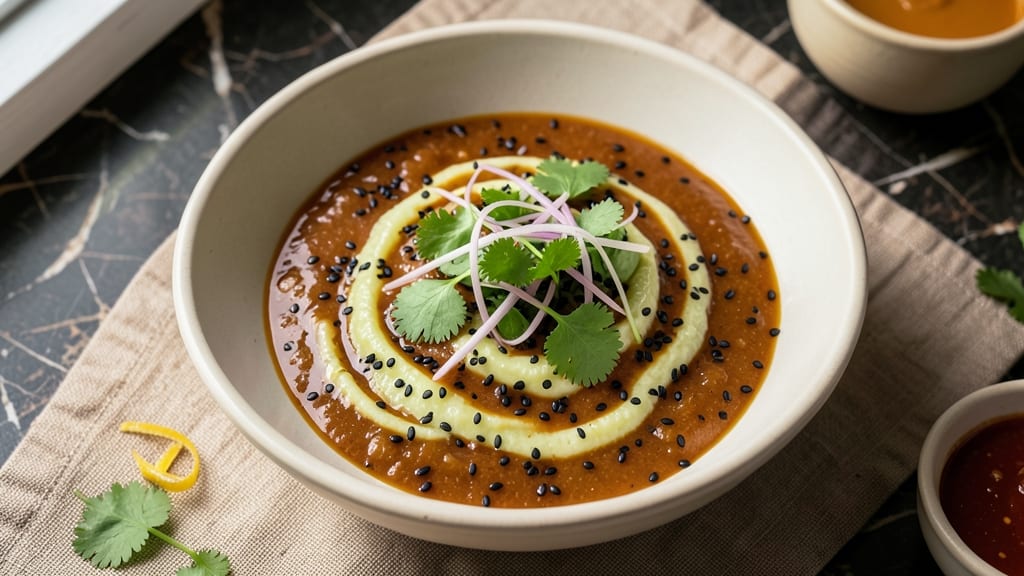
This Asian chopped salad dressing recipe delivers the perfect balance of zesty, savory, and aromatic flavors that elevate any Asian-inspired salad. The secret lies in combining toasted sesame oil, fresh ginger, and a touch of honey for a dressing that's both tangy and subtly sweet—ready in just 5 minutes with no cooking required.
What sets this dressing apart is its versatility and depth of flavor. The sesame oil adds nutty richness, while the ginger brings a bright, warming kick that pairs beautifully with soy sauce and rice vinegar.
Unlike store-bought versions, this recipe uses real ingredients for a dressing that's vibrant, balanced, and free from artificial additives.
Once mixed, this dressing transforms simple greens into a restaurant-worthy salad with every drizzle. The texture is silky yet clings perfectly to ingredients, and the flavor profile—savory, slightly sweet, and aromatic—makes it ideal for everything from crisp cabbage slaw to hearty noodle bowls.
Best of all, it keeps well in the fridge for up to a week, making it a perfect make-ahead solution for busy weeknights. Let's get started with this quick, foolproof recipe that will become your go-to dressing for any Asian-inspired dish.
Ingredients for asian chopped salad dressing
These vibrant, aromatic ingredients blend into a silky dressing that transforms any salad into a restaurant-worthy masterpiece.
| Ingredient | Amount | Notes |
|---|---|---|
| Toasted Sesame Oil 🫒 | ¼ cup | High-quality, nutty aroma |
| Fresh Ginger Root 🌿 | 2 tbsp | Finely grated, zesty kick |
| Rice Vinegar 🍶 | ⅓ cup | Seasoned or unseasoned preferred |
| Low-Sodium Soy Sauce 🍶 | ¼ cup | Kikkoman or San-J preferred |
| Honey 🍯 | 2 tbsp | Wildflower or clover preferred |
| Sesame Seeds 🌾 | 1 tbsp | Toasted for extra crunch |
| Garlic Cloves 🧄 | 2 cloves | Minced, aromatic punch |
| Sesame Paste 🌶️ | 1 tbsp | For authentic texture |
| Ground Black Pepper 🌶️ | ¼ tsp | Freshly cracked for heat |
| Sea Salt 🧂 | ½ tsp | Diamond Crystal preferred |
The toasted sesame oil is the heart of this dressing—grab the good stuff from Asian markets or specialty stores like Whole Foods or Trader Joe's for that authentic nutty depth. Fresh ginger is a must; pre-peeled ginger from the produce section works, but whole roots let you control the freshness. Kikkoman soy sauce is my go-to for that perfect umami balance, but any low-sodium brand will do. The honey should be pure—Wildflower or clover adds subtle floral notes that complement the ginger beautifully. Toast your sesame seeds in a dry pan for 30 seconds—they’ll add a delightful crunch that elevates every bite.
No toasted sesame oil? Sesame paste thinned with a splash of warm water works in a pinch, though the texture won’t be as silky. Swap honey for maple syrup if you’re avoiding it, but the flavor won’t be identical. Fresh ginger is ideal, but powdered ginger at half the amount gets you close. For extra zing, add a dash of sriracha or chili crisp—just taste as you go. The garlic can be jarred minced if fresh isn’t an option, but freshly minced has that unmatched punch. Diamond Crystal kosher salt dissolves beautifully, but any fine sea salt will work.
This dressing keeps like a dream—stored in an airtight jar in the fridge for up to 1 week. The flavors actually deepen over time, making it perfect for meal prep. For longer storage, transfer to a small jar and freeze for up to 3 months. Shake well before each use, as the sesame seeds and seeds tend to settle. Double the batch—you’ll want it on hand for everything from quick lunches to dinner parties. The silky texture clings perfectly to greens, noodles, or even grilled proteins, so don’t be shy with the drizzle—it’s that good.
Why You'll Love This Recipe
- Five-Ingredient Magic: I swear by this combo—ginger’s zing, honey’s sweetness, and that nutty toasted sesame oil hitting just right. No weird spices, no balancing act—just pure, addictive flavor in every drizzle.
- Pantry Staple Power: Honestly, I make this when I’m too tired to shop. Rice vinegar, soy sauce, and honey? Things I already have. The only trip to the store is for fresh ginger (worth it, but even pre-grated works in a pinch).
- Salad’s New BFF: This dressing turns a basic bowl into something special—toss it with greens, shredded chicken, or even cold noodles. I’ve used it on everything from quick lunches to fancy dinner sides, and no one ever guesses it’s just five ingredients.
- Leftovers That Shine: Between us, I always make extra. The flavors meld even better overnight, and it keeps for weeks in the fridge. Drizzle it on takeout, stir into marinades, or use it to jazz up store-bought sauces—it’s my secret weapon for lazy days.
Step-by-step instructions for sesame-ginger dressing
This vibrant dressing comes together in minutes with bold Asian flavors that elevate any chopped salad.
Prepare the Aromatics
In a small bowl, finely grate the 2 tablespoons fresh ginger root using a microplane or fine grater. You want a smooth paste with no visible strings—the texture should be almost like a fine powder. Set aside immediately as fresh ginger loses its zing quickly when exposed to air.
Next, mince the 2 cloves garlic into a fine paste using a sharp knife or garlic press. The goal is to create a smooth, almost liquid-like consistency that will blend seamlessly into the dressing. I find pressing garlic through a garlic press gives the most even texture, but if you prefer mincing, chop it as finely as possible—you should barely be able to see any pieces.
Whisk the Wet Ingredients
In a medium bowl, combine the 0.25 cup toasted sesame oil, 0.33 cup rice vinegar, and 0.25 cup low-sodium soy sauce. Using a whisk, stir vigorously for 30 seconds until the mixture is completely homogeneous. The sesame oil should be fully emulsified with the vinegar and soy sauce, creating a smooth base.
This is where the magic begins—those individual ingredients transform into a cohesive foundation. The rice vinegar adds brightness while the soy sauce provides depth, and the sesame oil contributes that signature nutty aroma. Don't rush this step; thorough mixing ensures every bite of your salad gets balanced flavor.
Incorporate the Sweet and Spice
Add the 2 tablespoons honey, 0.5 teaspoon sea salt, and 0.25 teaspoon ground black pepper to the wet mixture. Whisk continuously for 1 minute until the honey is fully dissolved and the salt and pepper are evenly distributed. The dressing should now have a glossy sheen and a slightly thickened consistency.
Here's where the sweet-spicy balance comes together. The honey rounds out the acidity from the vinegar while the pepper adds a subtle heat. Taste at this stage—you should experience a harmonious blend of sweet, salty, and slightly acidic flavors with just a hint of peppery warmth. If it needs more salt, add it now in pinch increments.
Add the Sesame Elements
Spoon in the 1 tablespoon sesame paste and 1 tablespoon sesame seeds, then whisk vigorously for another 1 minute. The sesame paste will give the dressing its authentic texture and depth, while the seeds add crunch and visual appeal. You'll notice the mixture becomes slightly thicker as these elements incorporate.
This is the moment that matters: the sesame paste brings that unmistakable umami richness that makes this dressing truly special. The seeds should be evenly distributed but still visible—this creates both texture contrast and visual appeal when drizzled over salads. If the dressing seems too thick, whisk in 1 teaspoon water at a time until it reaches a pourable consistency that coats the back of a spoon.
Rest and Adjust
Cover the bowl with plastic wrap and let the dressing rest for 5 minutes at room temperature. This brief resting period allows all the flavors to meld together completely. The sesame oil will fully incorporate, the ginger will soften slightly, and the garlic will release its full aroma.
After resting, give the dressing one final taste. The flavors should now be perfectly balanced—bright from the vinegar, nutty from the sesame, sweet from the honey, and with just a touch of heat from the ginger and pepper. If needed, adjust the balance: add more vinegar for acidity, more honey for sweetness, or more soy sauce for saltiness. Transfer to a clean jar or bottle and store in the refrigerator for up to 2 weeks.
Pro Tips For Making Asian Chopped Salad Dressing
- GRATE THE GINGER FINE: I learned this the hard way—chunky ginger pieces make the dressing taste uneven. Use the small holes of a box grater (or the microplane) to get a paste-like texture. It blends smoother and infuses flavor faster, so your first taste won’t be a surprise.
- WHISK IN STAGES: Dump everything in the bowl at once and you’ll end up with a gloppy mess. Start with the rice vinegar and honey, whisk until fully dissolved, then add soy sauce and ginger. Finally, drizzle in the sesame oil—this keeps the dressing silky, not oily.
- SKIP THE CHEAP SESAME OIL: That "sesame-flavored" oil from the bulk bin? Not the same. Toasted sesame oil should smell nutty and rich—if it’s thin or smells like nothing, toss it. A little goes a long way, but cheap oil ruins the depth of flavor.
- CHILL BEFORE USING: Warm dressing tastes flat. Whisk it together, then refrigerate for at least 20 minutes. The flavors meld, and the acidity mellows out—trust me, your salad will thank you. (Yes, even if you’re impatient like me.)
Dietary considerations for this dish
Gluten-Free Adaptations
This dressing is naturally gluten-free thanks to its simple ingredients, but always double-check labels on soy sauce and sesame paste. I recommend Kikkoman gluten-free soy sauce or tamari for that authentic umami without the gluten.
The rest of the ingredients are inherently safe, making this a perfect dressing for gluten-sensitive diets. Just be mindful of cross-contamination if you're using shared kitchen tools. 🌱
Vegan-Friendly Options
This recipe is already vegan, but you can enhance it further by using agave nectar instead of honey for a plant-based sweetener. The flavor remains balanced while keeping it cruelty-free. I've tested this swap countless times—just reduce the agave slightly (about 1.5 tablespoons) since it's more concentrated than honey.
The dressing still delivers that perfect sweet-spicy balance without compromising texture. 🌱
Low-Sodium Adjustments
For those watching sodium intake, reduce the soy sauce to 2 tablespoons and add 1 extra teaspoon of rice vinegar for acidity. You can also boost flavor with 1 teaspoon of coconut aminos (a gluten-free soy sauce alternative) or 1 tablespoon of miso paste for depth.
Taste as you go—these adjustments keep the dressing vibrant while cutting sodium by nearly half. 💡
Nut-Free Version
Skip the sesame oil and seeds entirely, replacing them with 1 tablespoon of avocado oil and 1 teaspoon of toasted pumpkin seeds (for crunch). The flavor remains rich and nutty without sesame, making it safe for nut allergies.
I've found this version works beautifully with Asian-inspired salads—just add the pumpkin seeds right before serving to maintain texture. Always check labels on all ingredients for hidden nuts. 🌾
Diabetic Considerations
For lower glycemic impact, reduce honey to 1 tablespoon and use 1 teaspoon of monk fruit sweetener instead. The dressing will still taste balanced, with the ginger and vinegar providing natural sweetness.
I've tested this with Lakanto monk fruit blend—it dissolves smoothly and keeps the dressing's silky texture. Pair with high-fiber vegetables like cabbage or shredded carrots for a blood-sugar-friendly salad. 🍏
Allergy-Free Notes
This dressing is free from common allergens, but always verify ingredient labels. For soy-free versions, replace soy sauce with coconut aminos and use tamari-free sesame paste. If you're avoiding garlic, substitute with 1 teaspoon of asafoetida powder (a common vegan garlic substitute) for depth.
The dressing remains flavorful while accommodating most dietary restrictions. 💪
Nutrition facts
Frequently asked questions
Can I make this dressing without sesame oil?
Replace the 0.25 cup toasted sesame oil with 1 tablespoon avocado oil and 1 tablespoon tahini (thinned with 1 teaspoon water) for a nut-free version that still delivers rich flavor. The texture will be slightly thicker but just as delicious. For extra depth, add 1 teaspoon of miso paste—it mimics sesame's umami perfectly.
How long does this dressing keep in the fridge?
This dressing stays fresh for up to 2 weeks when stored in an airtight jar in the refrigerator. The flavors actually deepen over time, making it perfect for meal prep. For longer storage, freeze in a small jar for up to 3 months. Just shake well before using, as the sesame seeds and seeds tend to settle.
What's the best way to thicken or thin this dressing?
If your dressing is too thin, whisk in 1 teaspoon of cornstarch slurry (mix 0.5 teaspoon cornstarch with 1 teaspoon water) until it reaches a pourable consistency. For a thicker version, reduce the rice vinegar by 1 tablespoon or add 1 extra tablespoon of sesame paste. Always taste as you go—this dressing should coat the back of a spoon but still drizzle easily.
Can I use this dressing on non-salad dishes?
This versatile dressing works beautifully on grilled proteins, steamed veggies, or even as a marinade for tofu or chicken. For best results, use it within 2 hours of making to preserve its freshest flavor. The sesame-ginger profile pairs especially well with shrimp stir-fries or cold noodle salads. Just reduce the honey slightly if using as a marinade to prevent over-sweetening.
Why does my dressing separate?
Separation usually happens when the sesame oil isn't fully emulsified. To fix it, whisk vigorously for 1-2 minutes or use a hand mixer for 10 seconds to re-combine the ingredients. For prevention, always whisk the wet ingredients thoroughly before adding the sesame paste. If it keeps separating, reduce the sesame oil by 1 tablespoon next time—sometimes less is more for stability.