
Salads
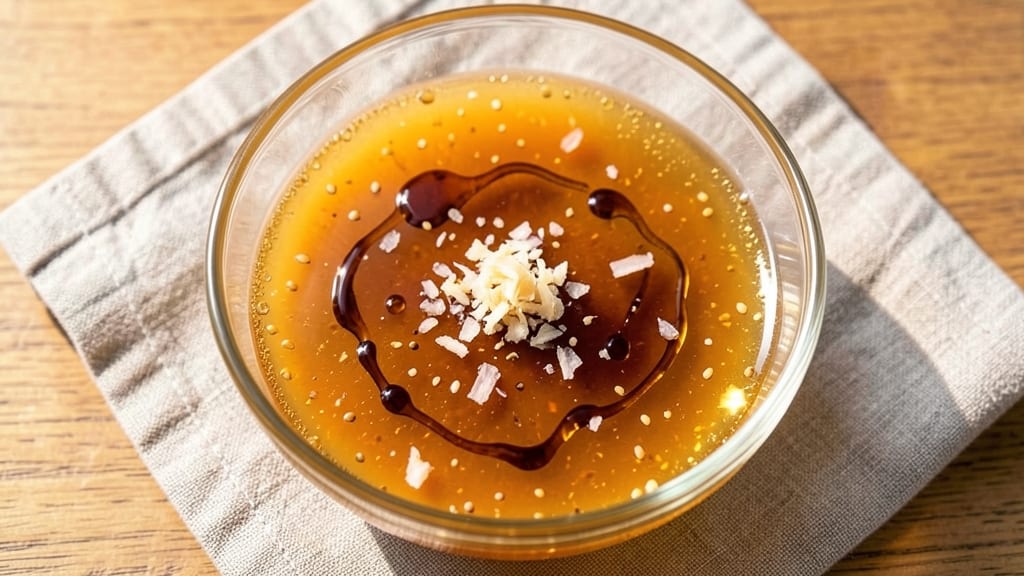
This Asian mandarin salad dressing recipe transforms simple greens into a vibrant, zesty bowl with just five ingredients and 10 minutes of prep time. The secret lies in balancing bright citrus with aromatic ginger and a touch of umami from soy sauce, creating a dressing that's both refreshing and complex.
I developed this recipe after realizing store-bought versions lacked the fresh, layered flavors that elevate a salad from ordinary to extraordinary.
The dressing combines mandarin orange juice for natural sweetness, rice vinegar for tang, and a hint of honey to deepen the citrus notes. Fresh ginger adds warmth, while sesame oil contributes nutty depth and a silky texture that coats every leaf.
What sets this apart is how the flavors meld when whisked together—bright, tangy, and subtly sweet with just the right amount of heat from the ginger.
Perfect for spring and summer greens like butter lettuce or spinach, this dressing also works beautifully with proteins like grilled chicken or shrimp. The light, citrusy profile makes it ideal for Asian-inspired salads, but its versatility extends to grain bowls, noodle dishes, or even as a marinade.
The best part? It keeps fresh in the refrigerator for up to a week, so you can make a batch and enjoy it all week long.
To achieve the ideal balance, taste and adjust as you go—add more vinegar for extra tang, a touch of honey for sweetness, or a pinch of red pepper flakes for heat.
The dressing should be light enough to drizzle but flavorful enough to stand out against fresh ingredients. Let's get started on creating this bright, citrusy masterpiece!
Ingredients for asian mandarin salad dressing
Five simple ingredients create this vibrant, citrusy dressing that elevates any Asian-inspired salad.
| Ingredient | Amount | Notes |
|---|---|---|
| Fresh Mandarin Orange Juice 🍊 | ½ cup | Freshly squeezed from 2-3 oranges |
| Rice Vinegar 🍶 | ⅓ cup | White or seasoned variety |
| Honey 🍯 | 1 ½ tbsp | Wildflower or clover preferred |
| Fresh Ginger 🧄 | 1 ½ tbsp | Finely grated, aromatic |
| Sesame Oil 🫒 | 1 ½ tbsp | Toasted sesame oil for depth |
| Low-Sodium Soy Sauce 🍶 | 1 tbsp | For umami balance |
| Garlic Cloves 🧄 | 1 clove | Minced for subtle aroma |
| Sesame Seeds 🌾 | 1 tsp | Toasted for garnish |
| Red Pepper Flakes 🌶️ | ¼ tsp | Optional for heat |
| Salt 🧂 | ¼ tsp | Adjust to taste |
The mandarin orange juice is the heart of this dressing—freshly squeezed from 2-3 oranges delivers the brightest flavor. Trader Joe's and Whole Foods often carry pre-juiced mandarins if you're short on time, but nothing beats the freshness of squeezing them yourself. The ginger should be freshly grated (not powdered) for that signature warmth—Costco sells large knobs that make this easy. For the sesame oil, Kadoya or La Tourangelle brands are my go-to for that nutty, toasted depth that makes this dressing sing.
No fresh ginger? Powdered ginger at half the amount works in a pinch, but you'll miss that aromatic punch. Short on mandarin juice? Orange juice with a splash of lemon gets you close, though it'll be slightly less sweet. The soy sauce is non-negotiable for umami—low-sodium versions prevent overpowering saltiness. For extra richness, swap half the rice vinegar for mirin. And if you love heat, add an extra pinch of red pepper flakes—just taste as you go. The dressing should coat the back of a spoon but still feel light enough to drizzle.
This dressing keeps beautifully in the fridge for up to 1 week in an airtight jar. For extra longevity, add a thin layer of olive oil on top before sealing. I always make a double batch—half for salads, half to drizzle over grilled shrimp or sushi rice. If it thickens, just whisk in a splash of water or more rice vinegar. The sesame seeds can be toasted fresh or sprinkled straight from the jar—they add that final crunchy texture that makes it feel restaurant-quality.
Why You'll Love This Recipe
- Five-Ingredient Magic: I swear by this combo—no fancy gadgets, just a whisk and a jar. The mandarin juice’s sweetness cuts through the sharp ginger, while the sesame oil adds that nutty, just-right depth in seconds.
- Bright & Balanced: Honestly, the honey and rice vinegar strike the perfect harmony—tangy enough to wake up greens, sweet enough to make it sing. That first drizzle over fresh greens or grilled chicken? Pure satisfaction.
- Weeknight & Party Star: Between us, this dressing is my go-to for lazy salads and fancy dinner parties. Double the batch—it keeps for days in the fridge, and I’ve even used it to glaze roasted veggies. Zero waste, all flavor.
- Budget Brightener: Fresh ginger and mandarin juice might sound fancy, but they’re cheaper than pre-made dressings and way tastier. A little goes a long way, so you’ll have leftovers for days—no sad, wilted greens here.
Step-by-step instructions for Asian mandarin salad dressing
This vibrant dressing comes together quickly with just a few simple techniques.
Grate and Mince the Aromatics
Use a fine grater to create 1.5 tablespoons of fresh ginger, scraping off any tough skin first. The ginger should be finely textured—almost like a paste—so it blends smoothly into the dressing. In a small bowl, mince the 1 clove garlic cloves using a chef's knife or garlic press. You want tiny, almost invisible pieces that dissolve completely when mixed.
Here's the thing about ginger—it releases its bright, citrusy flavor best when freshly grated. If you're using pre-grated ginger from a jar, it won't have the same zing. The same goes for garlic: fresh mincing ensures maximum aroma without any bitter aftertaste. Set both aside until ready to combine.
Whisk Together the Wet Ingredients
In a medium bowl, combine the 0.5 cup Fresh Mandarin Orange Juice, 0.33 cup Rice Vinegar, 1.5 tbsp Honey, and 1 tbsp Low-Sodium Soy Sauce. Give everything a quick stir with a wooden spoon to break up any honey clumps. Then, using a whisk, combine the ingredients until fully incorporated and smooth.
This is where the dressing starts to take shape. The mandarin juice provides bright acidity, while the vinegar adds tang. The honey balances the sharpness, and the soy sauce brings umami depth. You'll notice the mixture should be slightly syrupy at this stage—this is normal and will emulsify beautifully with the sesame oil.
Add Ginger, Garlic, and Sesame Oil
Add the freshly grated ginger and minced garlic to the bowl. Stir well to distribute them evenly throughout the liquid. Then, slowly drizzle in the 1.5 tbsp Sesame Oil while whisking continuously. The oil should blend smoothly, creating a silky texture. If you whisk vigorously, the dressing will thicken slightly and become more cohesive.
This is the moment that matters: the sesame oil carries the nutty, toasty notes that elevate the dressing from good to extraordinary. Don't rush this step—let the oil incorporate gradually for the best emulsion. If you see the mixture looking too thick, add 1 teaspoon of water to adjust the consistency.
Season and Adjust the Flavor
Add the 0.25 tsp Salt and 0.25 tsp Red Pepper Flakes to the dressing. Stir well to combine. Taste the mixture and adjust the seasoning as needed. If it needs more acidity, add a splash of rice vinegar. If it needs more sweetness, add a touch of honey. The dressing should balance bright citrus, tangy vinegar, and a touch of heat from the red pepper flakes.
This is where your taste buds become your guide. The dressing should be vibrant and complex, not one-dimensional. If you're using the optional red pepper flakes, you'll notice a subtle warmth that complements the ginger's spiciness. Don't be afraid to tweak the seasoning—this is your dressing, after all.
Toast the Sesame Seeds and Finish
In a small dry skillet over medium heat, toast the 1 tsp Sesame Seeds for 1-2 minutes until they turn a rich golden brown and release their nutty aroma. Shake the skillet occasionally to prevent burning. Transfer the toasted seeds to a small plate and let them cool for 1 minute before adding them to the dressing.
Real talk: these seeds are the finishing touch that takes your dressing from ordinary to extraordinary. Their toasted crunch adds texture and depth, while their aroma enhances the overall flavor profile. Sprinkle them into the dressing just before serving to keep them crisp and fresh.
Pro Tips For Making Asian Mandarin Salad Dressing
- STRAIN THE GINGER: Use a microplane or the fine side of a box grater—no peeling needed—and press the zest through a fine-mesh sieve to remove fibers. I learned this the hard way when my dressing turned gritty, no matter how much I blended.
- BALANCE THE HONEY: Start with half the honey called for, taste, then adjust—mandarin juice is tart, and you want the dressing to taste like harmony, not syrup. My grandmother swore by this: "Sweetness should whisper, not shout."
- WHISK IN SESAME OIL LAST: Add sesame oil after everything else is mixed, then give it a quick whisk to emulsify—adding it early makes the dressing split. Sounds weird, but it works: the oil needs to marry the other flavors, not fight them.
- USE COLD JUICE: Chill the mandarin juice for 10 minutes before mixing—it mellows the acidity and keeps the dressing from turning cloudy. I was skeptical until I tried it: the texture stays bright and clean, like a fresh spring morning.
Make-ahead tips for leftovers
Batch Prep Strategy
Make a double batch of this dressing—it keeps perfectly in the fridge for up to 1 week in an airtight glass jar. I store mine in a 16-ounce mason jar with a tight-sealing lid.
The flavors actually deepen over time, making it ideal for meal prep. Just shake well before using, as the ingredients may settle. 💛
Storage Hacks
For extra longevity, add a thin layer of olive oil on top before sealing—this creates a protective barrier against oxidation. I also label my jars with the date using a permanent marker to track freshness.
If the dressing thickens, simply whisk in 1 teaspoon of warm water to restore its silky consistency.
Freezing Tips
This dressing freezes beautifully for up to 3 months if you use ice cube trays. Portion into 1-tablespoon cubes and freeze, then transfer to a freezer bag.
Thaw overnight in the fridge before using—perfect for quick salad assembly. The texture remains stable, though the toasted sesame seeds may lose some crunch.
Reheating Secrets
There's no need to reheat this dressing—it's best served at room temperature or chilled. If you accidentally refrigerate it too long, simply whisk in 1 teaspoon of warm water to restore its smooth texture.
For extra vibrancy, add a pinch of freshly grated ginger or a splash of mandarin juice before serving. 🌟
Portioning Tricks
Use a shot glass to measure out single-serving portions—this makes it easy to grab exactly what you need for a salad. I keep a small jar in my fridge just for dressings, so I can quickly grab and go.
For larger gatherings, divide the dressing into small ramekins for individual servings at the table.
Flavor Preservation
To maintain the bright citrus notes, store the dressing away from strong-smelling foods in your fridge. I keep mine in the back of the shelf where it's coolest.
If the mandarin flavor starts to fade after a few days, boost it with a splash of fresh orange juice or a pinch of zest. The ginger's warmth will still shine through, keeping the dressing delicious. ✨
Nutrition facts
Frequently asked questions
Can I substitute orange juice for mandarin orange juice?
Yes, but the flavor will be slightly different. Use regular orange juice with 1 teaspoon of lemon juice added to mimic the extra brightness of mandarins. The dressing will still taste delicious, though it'll lack the subtle sweetness that mandarin juice provides. For best results, stick with mandarin juice when possible.
How do I adjust the dressing for spicy food?
For dishes with heat, reduce the red pepper flakes to ¼ teaspoon or omit them entirely. Instead, add ½ teaspoon of honey or 1 teaspoon of sugar to balance the spice. The citrus and ginger already provide natural warmth, so you won't need extra heat in the dressing itself.
What greens work best with this dressing?
This dressing shines with delicate greens like butter lettuce, baby spinach, or arugula. For heartier salads, try kale (massaged first) or shredded cabbage. The bright citrus flavor also pairs beautifully with watercress or microgreens for a gourmet touch.
Why did my dressing separate?
Separation usually happens when sesame oil isn't fully emulsified. Whisk vigorously for 30 seconds to recombine. If it keeps separating, add 1 teaspoon of water or 1 teaspoon of honey to help bind the ingredients. For future batches, whisk continuously while adding the sesame oil for a smoother texture.
Can I make this dressing without sesame oil?
Yes! Replace the sesame oil with 1.5 tablespoons of neutral oil like avocado or light olive oil. For flavor, add ½ teaspoon of toasted sesame seeds directly to your salad instead. The dressing will still taste great, though it'll lack the nutty depth that sesame oil provides.