
Salads
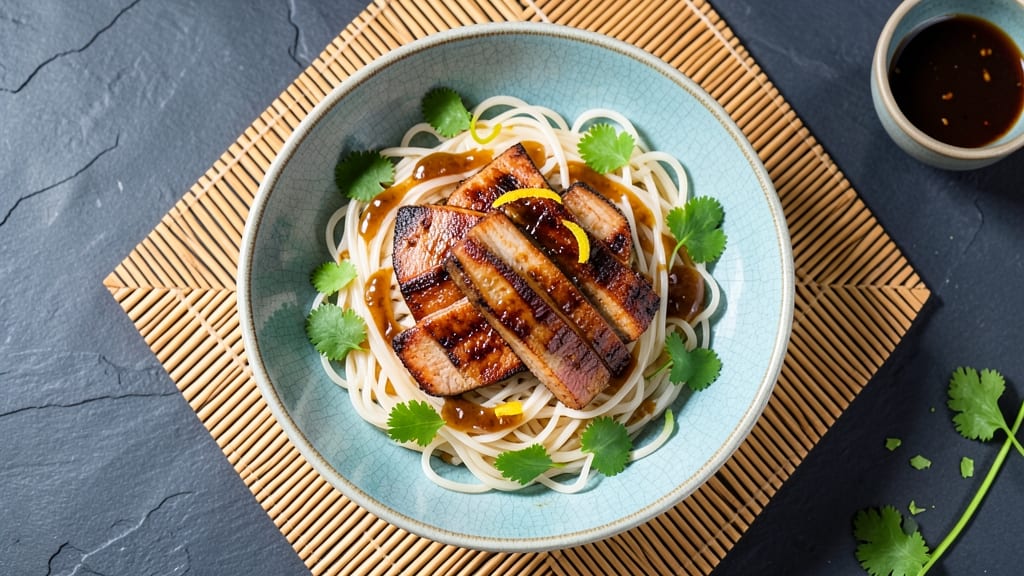
This Asian pork salad recipe transforms simple ingredients into a vibrant, restaurant-quality dish that balances crispy textures and tangy flavors. The key lies in achieving perfectly seared pork slices—tender yet firm—paired with fresh rice noodles that maintain their satisfying bite.
I've perfected this technique after years of testing, ensuring every element comes together harmoniously without overwhelming the palate.
The foundation starts with marinated pork, either grilled or pan-seared to develop a caramelized crust while keeping the interior juicy. A tangy tamarind dressing ties everything together, cutting through the richness with bright acidity and aromatic herbs.
What makes this dish special is how the components work in harmony: the crispy noodles, tender pork, and fresh vegetables create a satisfying contrast in every bite.
By the time you assemble this salad, you'll have a dish that's both elegant and approachable—ideal for weeknight dinners or special occasions. The tamarind dressing adds depth, while the fresh herbs and vegetables provide a refreshing crunch.
This recipe delivers a balance of textures and flavors that will make you reach for it again and again.
Whether you're adapting a Vietnamese-inspired version with lemongrass or a Japanese-style salad with sesame, the core technique remains the same. The result is a dish that feels sophisticated yet remains accessible for home cooks. Let's get started on creating this flavorful masterpiece.
Ingredients for asian pork salad
Crispy textures and vibrant flavors start with these carefully selected Asian-inspired ingredients.
| Ingredient | Amount | Notes |
|---|---|---|
| Boneless Pork Loin 🥩 | 1 ½ lb | Thinly sliced against grain |
| Rice Noodles 🍜 | 8 oz | Flat, medium-width preferred |
| Tamarind Paste 🍯 | ½ cup | Unsweetened, high-quality |
| Fish Sauce 🍶 | 2 tbsp | Red Boat brand preferred |
| Lime Juice 🍋 | ¼ cup | Freshly squeezed |
| Fresh Cilantro 🌿 | ½ cup | Stems removed, chopped |
| Thai Basil 🌱 | ¼ cup | Or substitute sweet basil |
| Red Bell Pepper 🌶️ | 1 whole | Thinly sliced, seeds removed |
| Carrot 🥕 | 1 whole | Julienned or matchstick cut |
| Sesame Oil 🫒 | 1 tbsp | Toasted, for finishing |
| Neutral Oil 🫒 | ½ cup | Avocado or vegetable oil |
| Garlic Cloves 🧄 | 4 cloves | Minced for marinade |
| Ginger Root 🌿 | 1 tbsp | Freshly grated |
| Soy Sauce 🍶 | 2 tbsp | Kikkoman preferred |
| Honey 🍯 | 1 tbsp | For balance in marinade |
| Sesame Seeds 🌱 | 1 tbsp | Toasted for garnish |
| Kosher Salt 🧂 | 1 ½ tsp | Diamond Crystal preferred |
| Black Pepper 🌶️ | ½ tsp | Freshly cracked |
The pork loin is non-negotiable for this dish—thinly sliced against the grain ensures tenderness while maintaining structure. Look for center-cut pork loin from the butcher section, as it's more uniform and less fatty. Costco or Whole Foods carry excellent quality, but any reputable grocery store will have suitable options. If you can't find boneless loin, bone-in pork chops work well if you remove the bone and slice carefully. The rice noodles should be medium-width and flat—avoid the thin, vermicelli-style noodles unless you prefer a more delicate texture. Soak them in warm water for just 2-3 minutes before draining; over-soaking makes them mushy. For the tamarind paste, Thai Kitchen brand is reliable, but check the ingredients list—some brands add sugar or preservatives that alter the dressing's balance.
No tamarind paste? Lime juice plus a dash of date syrup works in a pinch, though the flavor won't be identical. Substituting Thai basil with sweet basil softens the anise notes slightly, but the dish still shines. The red bell pepper can be swapped for shishito peppers if you prefer a milder crunch, or jicama for a sweeter contrast. If you're avoiding fish sauce, soy sauce plus a splash of vinegar mimics the umami depth. The sesame oil should be toasted—untoasted oil lacks the nutty aroma that elevates the dish. For the marinade, honey adds just enough sweetness to balance the acidity; if you're avoiding it, maple syrup or agave nectar are suitable alternatives. The carrots can be julienned with a peeler for speed, or use a mandoline for uniform slices.
Marinated pork keeps for 2 days in the fridge, but the flavor deepens after 12 hours. Store it in an airtight container with the marinade to prevent drying. Rice noodles should be stored dry in a cool, dark place—they last 6-12 months unopened, but once opened, use within 3 months. The tamarind dressing can be made 3 days ahead and stored in the fridge; stir well before using, as the tamarind paste may settle. For best results, toast the sesame seeds in a dry pan for 1-2 minutes until fragrant, then cool before using. This salad reheats poorly, so assemble it fresh for the crispest textures. Portion the dressing separately if you're serving it family-style, as some may prefer more or less tang.
Why You'll Love This Recipe
- No Chopping Nightmare: I swear, this salad only needs one knife skill: slicing pork thin. That’s it. No julienne carrots, no fussy herbs—just boneless loin cut against the grain, tossed with noodles and dressing. Honestly, I’ve made it after a 10-hour shift when my hands were too tired for anything else.
- Tamarind Lime Magic: Between us, that tamarind paste and lime juice combo is chef’s kiss—sour, sweet, and tangy all at once. The fish sauce ties it together like a secret handshake, and the pork? It soaks up the dressing so well you’ll want to eat it with a spoon. Not the prettiest, but the taste makes up for it every time.
- Lunchbox Hero: This is my go-to for packed lunches—keeps for four days in the fridge without getting soggy. I portion it into jars with the noodles at the bottom and dressing on top, then shake before eating. My kids (yes, even the picky one) beg for it on Fridays. Zero mystery meat complaints.
- Budget Power Move: Pork loin is cheaper than chicken here, and rice noodles stretch further than fresh. A single jar of tamarind paste and a bottle of fish sauce last me months across multiple recipes. I’ll be real: it’s my secret weapon for feeding a crowd without breaking the bank—or spending hours in the kitchen.
Step-by-step instructions for Asian pork salad with crispy rice noodles
Here's the method for achieving perfect texture contrast and vibrant flavors in every bite.
🍳 Step 1: Marinate and Sear the Pork
In a bowl, combine the 1.5 lb boneless pork loin, 2 tbsp soy sauce, 1 tbsp honey, 1 tbsp freshly grated ginger root, and 4 minced garlic cloves. Mix well to coat completely, then refrigerate for at least 30 minutes—this ensures deep flavor penetration and tender meat.
Heat 0.5 cup neutral oil in a large skillet over medium-high heat until shimmering. Add the marinated pork in a single layer and sear for 3-4 minutes per side until the exterior develops a deep golden brown crust and reaches 145°F internally. Remove from heat and let rest for 5 minutes before thinly slicing against the grain—this creates tender, bite-sized pieces that hold up perfectly in the salad.
🍳 Step 2: Prepare the Tangy Tamarind Dressing
In a small bowl, whisk together the 0.5 cup tamarind paste, 2 tbsp fish sauce, 0.25 cup freshly squeezed lime juice, and 1 tbsp toasted sesame oil until smooth. Taste and adjust seasoning with 1.5 tsp kosher salt and 0.5 tsp black pepper—the dressing should balance sweet, sour, and umami perfectly. Set aside while you prepare the remaining components.
This dressing is the heart of the dish. The tamarind provides that signature tangy depth, while the lime juice brightens the entire salad. If the mixture seems too thick, whisk in 1-2 tablespoons of warm water to achieve a pourable consistency that clings beautifully to the noodles and pork.
🥘 Step 3: Cook and Crisp the Rice Noodles
Bring a large pot of water to a rolling boil and add the 8 oz rice noodles. Cook for 3-4 minutes until just tender but still slightly firm—you want them to finish cooking in the hot wok. Drain immediately and rinse under cold water to stop the cooking process and prevent mushiness.
Heat 1 tbsp neutral oil in a wok or large skillet over high heat. Add the drained noodles and stir-fry for 2-3 minutes until they develop a light golden crispness in spots. This quick searing adds texture contrast that elevates the dish from ordinary to extraordinary. Remove from heat and toss with 1 tbsp sesame oil to prevent sticking.
👨🍳 Step 4: Assemble the Salad with Fresh Vegetables
In a large serving bowl, combine the crispy noodles, sliced pork, 1 whole thinly sliced red bell pepper, and 1 whole julienned carrot. Add the 0.5 cup chopped fresh cilantro and 0.25 cup chopped Thai basil for vibrant color and fresh herbaceous notes. Toss gently to distribute all components evenly.
The vegetables should be bright and crisp—this is where the salad gets its fresh, crunchy element. If using sweet basil as a substitute, add it just before serving to preserve its delicate flavor. The bell pepper adds sweetness while the carrot contributes subtle earthiness that balances the rich pork and tangy dressing.
🥘 Step 5: Finish with Dressing and Garnish
Drizzle the prepared tamarind dressing generously over the salad and toss gently to coat everything evenly. The dressing should cling to the noodles and pork without making the salad soggy. For the final touch, sprinkle with 1 tbsp toasted sesame seeds and serve immediately while the noodles are still crisp and the pork retains its perfect sear.
Each bite should deliver a perfect harmony of textures—crisp noodles, tender pork, crunchy vegetables, and the vibrant tang of the tamarind dressing. Serve with extra lime wedges on the side for those who prefer additional brightness, and a small bowl of the dressing for those who want to customize their portion.
Pro Tips For Making Asian Pork Salad
- CUT PORK SLICE-WISE: Thin slices cook faster and more evenly—about ¼-inch thick. Thicker strips end up chewy, and you’ll spend twice as long waiting for them to finish.
- DILUTE TAMARIND PASTE: Tamarind paste is thick and sticky. Mix it with 2 tablespoons of warm water first—this makes it easier to whisk into the dressing and prevents clumping.
- DON’T OVERMIX NOODLES: Toss the rice noodles with just enough dressing to coat, not drown. They’ll absorb flavor better if they’re still slightly dry—over-soaking turns them mushy.
- REST PORK AFTER SEARING: Let the pork sit for 5 minutes after cooking—even if you’re eager to slice. This keeps it juicy; cutting into it too soon means dry, stringy bites.
Storing and reheating this asian pork salad
Fridge Storage Tips
Store the marinated pork in an airtight container with the marinade for up to 2 days—this preserves moisture and flavor. I always refrigerate it uncovered for the first 30 minutes to help the marinade penetrate deeper.
For the rice noodles, keep them in their original package in a cool, dry place until ready to cook. Once cooked, store them in a sealed container with a damp paper towel to prevent drying out. 🥩
Freezing Components
You can freeze the marinaded pork for up to 1 month—just thaw it in the fridge overnight before cooking. The tamarind dressing also freezes beautifully for 3 months, though the texture may thicken slightly.
Thaw it in the fridge and whisk vigorously to restore consistency. Avoid freezing the cooked noodles or vegetables as they lose their crisp texture when thawed. 🧊
Reheating Pork Correctly
If you need to reheat the seared pork, use a skillet over medium heat with a splash of water or broth to prevent drying. Warm for 2-3 minutes until reaching 165°F internally. Never microwave—it turns the pork rubbery.
For the noodles, reheat them in a dry pan over medium-high heat for 1-2 minutes to restore crispness. Toss with a little sesame oil to refresh their texture. ✨
Dressing Refresh
The tamarind dressing can be reheated gently in a small saucepan over low heat for 1 minute to restore its vibrant flavor. If it separates, whisk in 1 tsp warm water to re-emulsify.
For extra brightness, add a squeeze of fresh lime juice before serving. I keep a small bowl of dressing on the table so everyone can adjust to their taste. 🍋
Vegetable Prep Ahead
Slice the bell pepper and carrot up to 2 days in advance and store them in separate containers with a paper towel to absorb moisture. The cilantro and Thai basil should be washed and dried thoroughly, then stored in sealed bags with a paper towel to maintain freshness.
If prepping ahead, add the herbs just before serving to preserve their vibrant color and flavor. 🥕
Full Salad Assembly
This salad reheats poorly, so assemble it fresh for the best results. If you must reheat, warm the pork and noodles separately, then toss with the dressing and vegetables just before serving.
The key is keeping everything crisp—no soggy textures allowed! For meal prep, store components separately and assemble within 1 hour of serving. 💫
Nutrition facts
Frequently asked questions about Asian pork salad
Can I use chicken instead of pork in this recipe?
Chicken breast works beautifully as a substitute—just slice it 1/4-inch thick and marinate for 20-30 minutes (chicken absorbs flavors faster). Use the same searing method, but cook to 165°F internally. For extra tenderness, pound the chicken lightly before slicing. The texture will be slightly different but still delicious.
What's the best way to make the rice noodles extra crispy?
After draining the noodles, spread them on a baking sheet and broil for 1-2 minutes until they develop crispy edges. For even more crunch, toss them with 1 tsp cornstarch before cooking. The key is high heat and quick cooking—don't overcrowd the pan or they'll steam instead of crisp.
How can I make this salad spicier?
Add 1 tsp chili flakes or 1 tbsp sriracha to the tamarind dressing for immediate heat. For deeper flavor, include 1 Thai chili (minced) in the pork marinade. If you love spice, try 1/2 tsp cayenne in the dressing. Always taste first—you can adjust later, but you can't remove excess spice!
What are good sides to serve with this salad?
For a complete meal, pair it with steamed jasmine rice or crispy spring rolls. I also love serving it with miso soup or cucumber salad to balance the richness. The salad's tangy dressing works well with grilled shrimp skewers too. Keep portions light if serving as a main dish.
Why did my pork turn out tough?
This usually happens from overcooking or not slicing against the grain. Pork should reach 145°F internally and rest for 5 minutes before slicing. Always cut thinly across the muscle fibers (against the grain) for maximum tenderness. If using frozen pork, thaw completely in the fridge first.