Salads
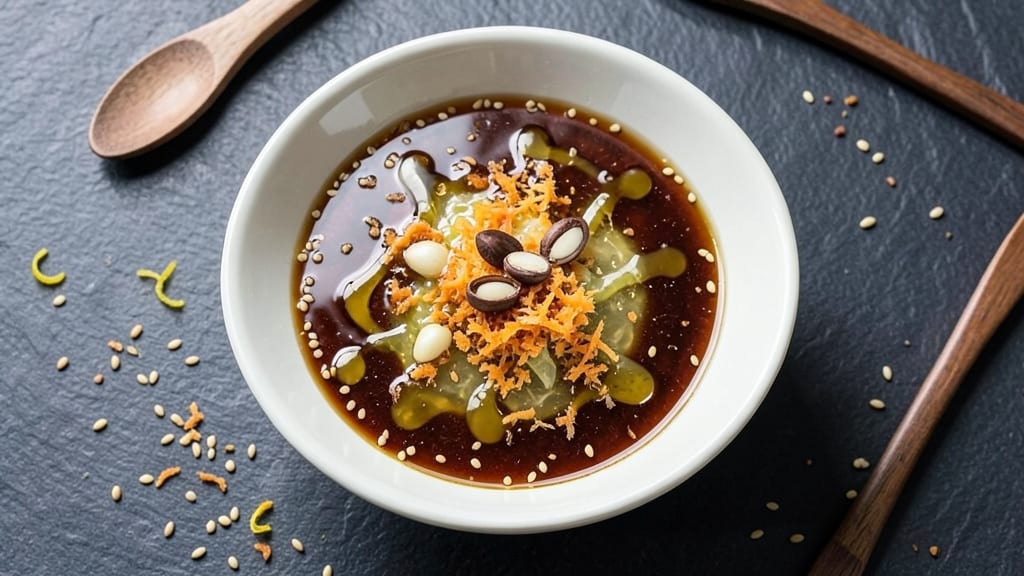
This Asian restaurant salad dressing recipe delivers the same bold, umami-packed flavor that elevates every bite—just like your favorite takeout. The secret lies in balancing sesame oil, rice vinegar, and soy sauce for that signature tangy-savory depth, while fresh ginger and garlic add layers of warmth.
No artificial ingredients, just pure restaurant-quality taste in minutes.
The dressing comes together in five simple ingredients—no fancy techniques required. Fresh ginger and garlic are minced finely for maximum flavor impact, while toasted sesame oil adds nutty richness.
The key is emulsifying the dressing properly so it coats greens perfectly without separating, ensuring every leaf gets that addictive glaze.
What you’ll end up with is a bright, aromatic dressing that transforms simple salads into restaurant-worthy meals. The sesame-ginger blend cuts through crisp vegetables while enhancing proteins like grilled chicken or shrimp. It keeps well in the fridge for up to a week, making it perfect for meal prep.
Use it on Asian-inspired salads, noodles, or even as a marinade—the possibilities are endless. The recipe scales easily, so double or halve the batch to match your needs. Here’s how to make it perfectly every time.
Ingredients for asian restaurant salad dressing
Five essential ingredients transform into a restaurant-quality dressing with umami depth and bright freshness.
| Ingredient | Amount | Notes |
|---|---|---|
| Toasted Sesame Oil 🫒 | ¼ cup | High-quality, nutty aroma preferred |
| Rice Vinegar 💧 | ⅓ cup | Seasoned or unseasoned works |
| Low-Sodium Soy Sauce 🍶 | ¼ cup | Kikkoman preferred for authentic flavor |
| Fresh Ginger 🌿 | 2 tbsp | Finely grated, aromatic peel included |
| Garlic Cloves 🧄 | 3 cloves | Minced finely for maximum impact |
| Sesame Seeds 🌰 | 1 tbsp | Toasted lightly for extra flavor |
| Granulated Sugar 🍚 | 1 tbsp | Balances acidity, adjust to taste |
| Water 💧 | ½ cup | Room temperature for smooth blend |
The sesame oil is non-negotiable—Kadoya or Hon Maen brands deliver the richest, most authentic nutty flavor. Look for toasted sesame oil in the international aisle of major grocery stores like Whole Foods or Asian markets, where it's typically sold in small bottles. Fresh ginger and garlic should be vibrant and firm—no wrinkled skins or soft spots. The rice vinegar can be seasoned (adds subtle sweetness) or plain, but Mizkan brand is consistently reliable. For the sesame seeds, toast them in a dry pan for 30 seconds until fragrant—they'll add texture and aroma to every drizzle.
No sesame oil? Toasted peanut oil works in a pinch, though the flavor profile shifts slightly. Substitute the garlic with 1 tsp garlic powder plus 1/4 tsp onion powder if fresh isn't available, but the dressing will lack complexity. For the ginger, ground ginger at half the amount is an option, though fresh is ideal. The sugar can be swapped for honey or agave, though granulated dissolves more smoothly. If your dressing separates, whisk in an extra 1 tsp cornstarch mixed with cold water to stabilize it. Store-bought versions often contain preservatives and artificial flavors—this recipe avoids both for a cleaner, brighter taste.
This dressing keeps for up to 1 week in an airtight container in the fridge, though the flavors deepen over time. For longer storage, transfer to a sterilized glass jar and freeze for up to 3 months. Shake vigorously before each use, especially if it's been refrigerated. The sesame seeds can be toasted fresh each time you use the dressing, or added directly to salads post-dressing for extra crunch. Double the batch and store in 2-ounce portions for easy meal prep—perfect for dressing greens, drizzling over noodles, or marinating proteins like tofu or chicken.
Why You'll Love This Recipe
- Five-Ingredient Magic: I swear by this combo—just a splash of rice vinegar, a drizzle of toasted sesame oil, and a quick minced garlic-ginger mash. No blender, no stress, no fuss. Honestly, I’ve made it while waiting for takeout to arrive.
- Umami Bomb: That low-sodium soy sauce? It’s the secret weapon—deep, savory, and just salty enough to make your taste buds dance. The garlic and ginger hit like a warm hug, especially when the sesame oil shimmers on top.
- Salad’s Best Friend: This dressing turns a simple greens bowl into a full meal. Drizzle it over cold soba noodles, toss it with grilled chicken, or even use it as a marinade. I’ve even poured it over popcorn for movie night—yes, really.
- Lasts All Week: Make a big batch and store it in the fridge for up to 10 days. It doesn’t separate, it doesn’t get weird—just shake and use. Between us, I’ve had this dressing last me through three lunches without losing its punch. Budget win.
Step-by-step instructions for Asian restaurant salad dressing
This umami-packed sesame ginger blend delivers authentic restaurant flavor with precise technique.
Toast Sesame Seeds for Maximum Flavor
Heat a dry skillet over medium-low heat and add the 1 tablespoon sesame seeds. Toast them for 2-3 minutes, stirring constantly, until they turn a rich golden brown and release their nutty aroma. Watch carefully—they'll darken quickly once they start to pop and crackle.
Remove the seeds immediately when they're fragrant and set aside to cool. These toasted seeds will add both texture and depth to your dressing. If you're short on time, you can use store-bought toasted sesame seeds, but freshly toasted makes a noticeable difference in the final product.
Grate and Mince Aromatics for Optimal Extraction
Using a fine grater, grate the 2 tablespoons fresh ginger, including the aromatic peel. This ensures you capture all the zesty, citrusy notes that define authentic Asian flavors. Transfer the grated ginger to a small bowl and set aside.
Next, finely mince the 3 cloves garlic using a sharp knife. You want the pieces to be almost paste-like—this guarantees maximum surface area for flavor extraction when we combine everything. The garlic should be so finely minced that you can barely see individual pieces when you look closely.
Blend Wet Ingredients for Smooth Consistency
In a blender, combine the 0.25 cup toasted sesame oil, 0.33 cup rice vinegar, 0.25 cup low-sodium soy sauce, 1 tablespoon granulated sugar, and 0.5 cup room temperature water. Add the grated ginger and minced garlic to the blender as well.
Blend on high speed for 30-45 seconds until completely smooth. The mixture should be homogeneous with no visible ginger or garlic particles. This step is crucial for achieving that silky, restaurant-quality texture. If you prefer a slightly thicker dressing, reduce the water by 1 tablespoon.
Incorporate Toasted Sesame Seeds for Texture
Transfer the blended dressing to a clean bowl. Using a silicone spatula, gently fold in the toasted sesame seeds, reserving about 1 teaspoon to sprinkle on top before serving. This final step adds both visual appeal and a delightful crunch that mimics restaurant-quality dressings.
Taste the dressing immediately and adjust seasoning if needed. You might want to add a pinch more sugar to balance the acidity or a splash more soy sauce for deeper umami flavor. The dressing should coat the back of a spoon with a glossy sheen and have a perfect balance of sweet, tangy, and savory notes.
Rest and Serve for Optimal Flavor Development
Let the dressing rest at room temperature for 10-15 minutes before using. This allows all the flavors to meld together and reach their full potential. The dressing will thicken slightly as it sits, which is normal and actually enhances its clinging properties.
When ready to serve, give it one final stir and drizzle generously over your favorite Asian-inspired salads, noodle dishes, or grilled proteins. The dressing should cling beautifully to greens and other ingredients, delivering that authentic restaurant taste in every bite. Store any leftovers in an airtight container in the refrigerator for up to 1 week.
Pro Tips For Making Asian Restaurant Salad Dressing
- Mince Ginger Fine: I learned this the hard way—using a peeler or rough chop leaves behind fibrous bits that ruin the texture. Grab a sharp knife, smash the ginger flat, then slice into matchsticks before mincing. The result? Silky smooth, no grittiness.
- Toast Oil Last: Add sesame oil at the very end—right when you’re about to toss it with your salad. Heating it too early turns it bitter, and you’ll end up with a dressing that tastes like burnt popcorn. A few drops at room temp keeps that nutty aroma fresh.
- Balance Soy Early: Start with half the soy sauce called for, taste, then adjust. Low-sodium soy is deceptive—what seems mild can turn your dressing into a salty disaster if you don’t check. Trust your palate, not the recipe’s assumptions.
- Smash Garlic Properly: Don’t just chop garlic—smash it first with the flat of your knife. This breaks down the cells, making the flavor mellow and spreadable. Overcrowd your mortar or mincer? You’ll end up with a dressing that tastes like garlic paste, not harmony.
Flavor customization for asian restaurant salad dressing
Spicy Chili-Lime Twist
Add 1 tbsp chili paste (like Sriracha or Thai chili jam) and 1 tbsp lime juice to the base recipe for a fiery, zesty kick. The lime brightens the dressing while the chili adds heat that pairs perfectly with grilled shrimp or spicy noodles.
For extra depth, stir in ½ tsp ground white pepper—it enhances the chili without overpowering. 🌶️
Sweet Miso Caramel
Swap the granulated sugar for 1 tbsp white miso paste and 1 tbsp honey, then blend until fully incorporated. The miso adds a rich, fermented umami that caramelizes slightly when drizzled over warm dishes.
This variation works especially well with cucumber salads or cold soba noodles. Use Kikkoman white miso for the best balance of sweetness and saltiness.
Creamy Avocado Dressing
Blend in ½ ripe avocado with the wet ingredients for a velvety texture. The avocado softens the dressing’s acidity while adding healthy fats that make it cling beautifully to greens. Top with crushed peanuts and cilantro for a Thai-inspired twist.
For extra creaminess, add 1 tbsp coconut milk to the blender. This version is perfect for mango or papaya salads.
Smoky Black Sesame
Replace half the sesame seeds with black sesame seeds (toasted) and add ½ tsp smoked paprika for a deep, nutty flavor with a hint of smokiness. The black sesame adds a striking visual contrast and pairs wonderfully with roasted vegetables or grilled tofu.
Toast the seeds in a dry pan with a pinch of gochugaru (Korean chili flakes) for an extra layer of complexity.
Herb-Infused Citrus
Add 2 tbsp chopped Thai basil or mint leaves along with 1 tbsp orange zest to the base recipe. The citrus zest brightens the dressing while the herbs add freshness. This variation is ideal for summer salads or as a marinade for grilled chicken skewers.
For an extra pop, finish with 1 tsp orange blossom water—it’s floral but subtle.
Spicy Peanut Dressing
Blend in 2 tbsp creamy peanut butter (unsweetened) and 1 tsp sriracha for a rich, nutty dressing with a kick. The peanut butter adds thickness, making it perfect for noodle bowls or crudité platters.
For extra crunch, top with crushed peanuts and sesame seeds. Use natural peanut butter without added sugar to keep the flavor pure and balanced.
Nutrition facts
Frequently asked questions
Can I make this dressing without a blender?
Yes! If you don't have a blender, finely mince the ginger and garlic into a paste using a mortar and pestle, then whisk all ingredients together vigorously in a bowl. For a smoother texture, strain the mixture through a fine-mesh sieve. This method works best if you reduce the water by 2 tablespoons to compensate for the lack of emulsification.
Why does my dressing separate after refrigeration?
Separation happens when oil and water ingredients aren't properly emulsified. Fix it by whisking in 1 teaspoon cornstarch mixed with 1 tablespoon cold water until smooth. For prevention, blend the dressing longer next time or add ½ teaspoon xanthan gum when making future batches. The dressing should thicken slightly when chilled—this is normal and enhances its clinging properties.
How can I use this dressing beyond salads?
This versatile dressing works as a marinade for grilled chicken, shrimp, or tofu—just use ½ cup per pound of protein. It also elevates noodle bowls, ramen, or even roasted vegetables. Try drizzling it over cold soba noodles with avocado or using it as a dipping sauce for spring rolls. The key is to balance the flavors with complementary ingredients like fresh herbs or crisp veggies.
What's the best way to store leftovers?
Transfer the dressing to an airtight glass container and refrigerate for up to 1 week. For longer storage, freeze in 2-ounce portions for up to 3 months. Always shake or stir vigorously before using, especially after refrigeration. The sesame seeds can be toasted fresh each time you use the dressing, or sprinkled on top just before serving to maintain maximum crunch.
Can I make this recipe gluten-free?
Yes! Simply substitute the soy sauce with tamari or coconut aminos (use the same amount). Both provide the umami depth without gluten. For extra authenticity, use 1 tablespoon gluten-free fish sauce instead of half the soy sauce. The dressing will maintain its rich, savory flavor while being completely safe for those avoiding gluten.