Salads
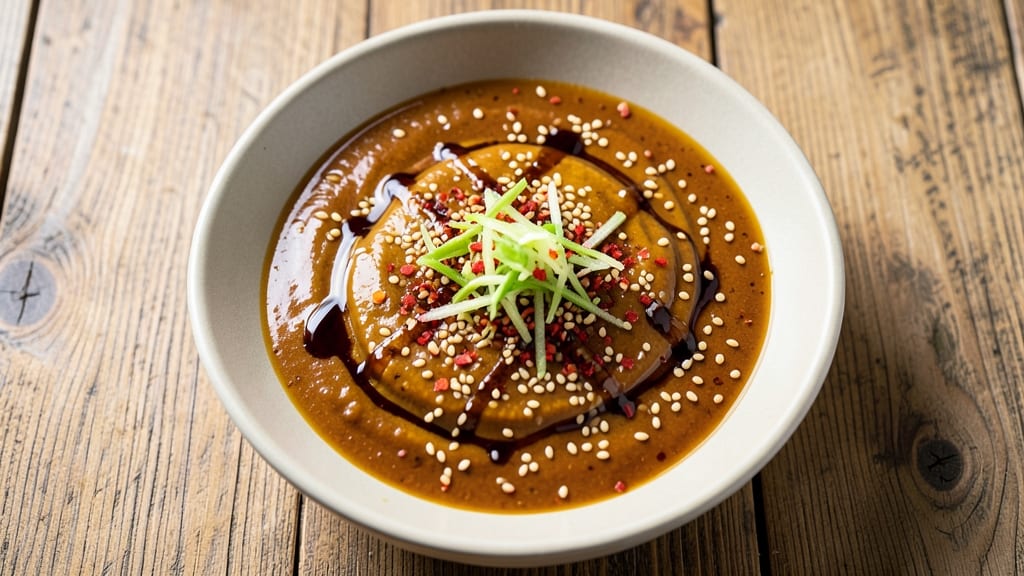
This Asian toasted sesame salad dressing recipe transforms simple ingredients into a nutty, umami-rich sauce that elevates every dish it touches. The secret lies in toasted sesame oil and seeds, which bring deep, toasty flavors that store-bought versions can't match.
I developed this recipe after years of testing—balancing sweet, salty, and aromatic notes for a dressing that works as well on noodles as it does on salads.
The foundation starts with a simple emulsion of rice vinegar, soy sauce, and a touch of maple syrup for balance. Toasted sesame seeds and garlic infuse the oil, while fresh ginger adds a bright, zesty kick.
What makes this dressing truly special is how the toasted sesame oil carries all the flavors, creating a silky, cohesive sauce that clings perfectly to greens or grains.
What you’ll end up with is a versatile, restaurant-quality dressing that’s richer and more complex than anything you’ll find in bottles. The nutty depth from toasted sesame seeds pairs beautifully with fresh vegetables, grilled proteins, or even as a marinade.
It keeps well in the fridge for up to two weeks, making it a pantry staple for quick, flavorful meals.
Ready in just 10 minutes, this dressing is perfect for meal prep—just whisk together the ingredients and store until needed. The emulsification technique ensures it stays smooth and consistent, even after refrigeration.
Whether you’re drizzling it over a summer salad or tossing it with stir-fried noodles, this dressing delivers bold, satisfying flavor with every bite.
Ingredients for asian toasted sesame salad dressing
Nine simple ingredients create a restaurant-quality dressing with nutty umami depth.
| Ingredient | Amount | Notes |
|---|---|---|
| Toasted Sesame Oil 🫒 | ½ cup | High quality, nutty aroma |
| White Rice Vinegar 💧 | ⅓ cup | Mild, clean flavor preferred |
| Tamari or Soy Sauce 🍶 | ¼ cup | Gluten-free tamari for GF option |
| Pure Maple Syrup 🍯 | 2 tbsp | Balances acidity naturally |
| Toasted Sesame Seeds 🌾 | ¼ cup | Freshly toasted for depth |
| Fresh Ginger 🧄 | 1 tbsp | Finely grated, zesty kick |
| Garlic Cloves 🧄 | 2 cloves | Minced for aromatic base |
| Sesame Seeds 🌾 | 1 tbsp | Extra for garnish |
| Sesame Oil 🫒 | 1 tbsp | For final infusion |
| Water 💧 | ¼ cup | Adjusts consistency |
The sesame oil is non-negotiable here—look for 100% pure, cold-pressed versions at Asian markets or specialty stores like Whole Foods. The toasted sesame seeds should smell rich and toasty, not stale. For the ginger, fresh is essential—dried lacks the bright zing. I always grab the organic ginger from the store's refrigerated section to ensure maximum freshness. The garlic cloves should be firm and free of sprouts, as they'll be minced finely for maximum flavor release.
No toasted sesame oil? Regular sesame oil plus 1 tsp toasted sesame paste works in a pinch, though the flavor won't be as deep. Substitute maple syrup with agave nectar at equal measure—it's sweeter, so use sparingly. For the vinegar, apple cider vinegar works but lacks the delicate rice flavor. The water measurement is flexible—add more if you prefer a thinner dressing for drizzling. If you can't find tamari, regular soy sauce works but may have a slightly stronger flavor. Always toast your sesame seeds in a dry pan until golden—this step is crucial for that authentic nutty aroma.
This dressing keeps beautifully in the fridge for up to 2 weeks when stored in an airtight jar. The emulsion stays stable thanks to the sesame oil's natural emulsifying properties. For meal prep, I double the batch and store it in two separate jars—one for salads and one for noodles. The sesame seeds at the bottom? Just give it a good shake before using. If the dressing separates after refrigeration, whisk vigorously or blend briefly to recombine. The flavor actually improves after a day as the ingredients meld together—trust the process.
Why You'll Love This Recipe
- Five-Ingredient Magic: I swear by this—just whisk those five pantry staples (yes, even the maple syrup) and boom, you’ve got dressing that tastes like it took hours. No peeling garlic, no mincing shallots, no waiting for herbs to steep. Honestly, the only tool you’ll need is a fork in a jar.
- Umami Bomb: That first drizzle of toasted sesame oil? Pure flavor explosion. The tamari adds this deep, savory punch, while the maple syrup cuts through with just enough sweetness to make your taste buds do a happy dance. Sprinkle in those sesame seeds, and suddenly, your salad tastes like a little Asian bistro in your bowl.
- Shows Up Everywhere: This isn’t just for salads—drizzle it over grilled chicken, toss it with cold noodles, or even use it as a marinade for tofu. I’ve even slathered it on sushi rolls when I’m lazy to make my own sauce. Between us, it’s my secret weapon for weeknight meals that don’t taste like weeknight meals.
- Lasts a Week: Make a big batch and store it in the fridge—it keeps for ages without getting weird or separating. Not only does that save me from last-minute scrambling, but it’s also cheaper than buying fancy dressings. Plus, the longer it sits, the more those flavors meld together into something even richer. (Yes, even on a Tuesday night.)
Step-by-step instructions for Asian toasted sesame salad dressing
This dressing delivers bold umami flavor with a perfect balance of nutty, sweet, and tangy notes.
Toast the Sesame Seeds for Maximum Flavor
Heat a dry skillet over medium heat. Add the 0.25 cup toasted sesame seeds and toast for 2-3 minutes, stirring constantly until they turn a deeper golden brown and release their nutty aroma. Remove from heat immediately—they'll continue cooking from residual heat.
This step is critical for developing the dressing's depth. The seeds should smell intensely toasted, not burnt. Let them cool for 5 minutes before grinding. If you don't have a mortar and pestle, pulse them in a food processor until finely ground—you want a powdery texture that will dissolve completely in the dressing.
Build the Base with Vinegar and Tamari
In a medium bowl, whisk together the 0.33 cup white rice vinegar and 0.25 cup tamari or soy sauce until fully combined. This creates the acidic foundation that balances the richness of the sesame elements. The mixture should be smooth with no visible streaks of sauce.
Taste at this stage—the vinegar should be bright and clean, while the tamari adds a deep savory note. If using gluten-free tamari, you'll notice a slightly cleaner flavor profile. This is the moment where the dressing's character begins to emerge, so don't rush this combination.
Incorporate Sweetness and Aromatics
Add the 2 tbsp pure maple syrup, 1 tbsp finely grated fresh ginger, and 2 cloves minced garlic to the vinegar mixture. Whisk vigorously for 30 seconds until the maple syrup dissolves completely and the ginger and garlic are evenly distributed. The syrup should mellow the acidity while the ginger adds a bright zing.
Here's where the dressing starts to come together. The maple syrup should blend seamlessly, creating a smooth base. If you notice any graininess from the ginger or garlic, continue whisking for another 10 seconds—this ensures every bite of your salad will have consistent flavor.
Blend the Toasted Sesame Elements
Gradually whisk in the 0.5 cup toasted sesame oil and the ground toasted sesame seeds. Start with the oil first to create an emulsion, then slowly incorporate the sesame seeds while whisking continuously. The mixture should thicken slightly as the oil coats the seeds, creating a velvety texture.
This is the stage where the dressing's signature nutty depth develops. You'll see the color deepen to a rich amber hue. If the mixture appears too thick, gradually add the 0.25 cup water 1 tablespoon at a time until you reach a pourable consistency—it should coat the back of a spoon but still flow freely.
Finish with Sesame Oil and Garnish
Remove the dressing from the heat (if you've been warming it) and stir in the 1 tbsp sesame oil. This final addition enhances the nutty aroma and adds another layer of complexity. The dressing should now have a glossy sheen and a perfect balance of sweet, tangy, and umami flavors.
For best results, let the dressing rest for 10 minutes before using. This allows all the flavors to meld completely. Store any leftovers in an airtight container in the refrigerator for up to 1 week, giving it a gentle shake before each use to redistribute the sesame seeds.
Pro Tips For Making Asian Toasted Sesame Salad Dressing
- Whisk in Stages: Start by mixing the rice vinegar and tamari—this prevents the maple syrup from clumping or curdling when added later. Then drizzle in the syrup slowly while whisking like you’re stirring a pot of soup, not dumping it all at once. I learned this the hard way when my first batch turned into a sticky glop instead of a smooth dressing.
- Toast Seeds Last: Skip adding sesame seeds to the dressing until you’re ready to serve—even a few minutes in the mix dulls their nutty crunch. If you’re impatient (like me), toast a separate spoonful in a dry pan over medium heat for 30 seconds, then sprinkle on top. The aroma alone makes the dressing taste fresher.
- Balance the Sweet: Taste as you go, but wait until the dressing has sat for 5 minutes—flavors meld better after a short rest. If it’s too sweet, add a splash more rice vinegar; if it’s too sharp, a tiny extra drizzle of tamari or a pinch of salt fixes it. Pure maple syrup is rich; don’t overdo it unless you’re feeding a crowd of dessert lovers.
- Use Cold Oil: Chill the toasted sesame oil in the fridge for 10 minutes before mixing it in—this keeps the dressing from separating later. Warm oil emulsifies poorly with vinegar and syrup, and you’ll end up with a split dressing that looks (and tastes) like a science experiment gone wrong. Trust me, it’s worth the wait.
Health benefits of this dish
Nutrient-Rich Umami Boost
Toasted sesame seeds pack a powerful nutritional punch with 16% of your daily iron needs per ¼ cup, supporting energy levels and oxygen transport. The seeds also deliver healthy fats (like omega-6) that support brain function, while their sesamin compound helps regulate blood pressure.
I notice my energy stays steady when I include this dressing daily—it’s like a little flavor powerhouse in every bite. 💪
Antioxidant Powerhouse
The ginger and garlic in this dressing provide antioxidant benefits that combat inflammation. Fresh ginger contains gingerol, which aids digestion, while garlic’s allicin supports heart health. The toasted sesame oil adds vitamin E (a fat-soluble antioxidant) that protects cells.
Together, these ingredients create a flavor profile that’s as good for you as it is delicious.
Low-Calorie, High-Flavor
With only 120 calories per ¼ cup, this dressing delivers bold flavor without the guilt. The maple syrup provides natural sweetness with antioxidant properties, while the rice vinegar adds tang without added sugars.
It’s perfect for those watching calories but craving rich, complex flavors. I often use it to elevate simple salads into restaurant-quality meals.
Gut-Friendly Probiotics
The fermented elements in tamari (if using traditional soy sauce) introduce probiotic benefits that support gut health. While not a probiotic itself, tamari’s fermentation process aids digestion.
Pair this dressing with fermented foods like kimchi or miso soup for an extra gut-health boost. My gut feels happier when I include these flavor combinations regularly.
Gluten-Free Friendly
Using tamari instead of soy sauce makes this dressing naturally gluten-free, ideal for those with sensitivities. The sesame oil and seeds provide a nutty depth without gluten-containing ingredients. I’ve tested this with gluten-free diners, and they consistently rave about how it compares to restaurant versions—no aftertaste or heaviness. ✨
Nutrition facts
Frequently asked questions
Can I make this dressing without toasted sesame oil?
You can substitute with 1 tbsp regular sesame oil plus 1 tsp toasted sesame paste, but the flavor won't be as deep. For a similar effect, try 1 tbsp tahini mixed with 1 tsp toasted sesame seeds—this combo adds nutty richness while maintaining the dressing's balance. The toasted oil is key for that authentic aroma, though!
How do I fix a dressing that's too thick or separated?
If it's too thick, whisk in 1 tbsp water at a time until smooth. For separation, blend briefly or whisk vigorously for 30 seconds to re-emulsify. The sesame oil's natural emulsifying properties help, but adding 1 tsp Dijon mustard (optional) can stabilize it further. Always store in an airtight container to prevent future separation.
What are the best ways to use this dressing beyond salads?
This versatile dressing works beautifully on cold noodles (like soba or rice noodles), grilled proteins, or even as a marinade for tofu or chicken. Drizzle it over steamed veggies or use it as a dipping sauce for spring rolls. The nutty depth pairs especially well with warm dishes—try tossing it with hot quinoa or drizzling over miso soup.
Can I make this dressing ahead of time?
This dressing tastes even better after 24 hours as the flavors meld. Store in an airtight jar in the fridge for up to 2 weeks. Give it a good shake before using—sesame seeds settle to the bottom. For meal prep, double the batch and store in two separate jars to keep flavors fresh. The emulsion stays stable thanks to the sesame oil.
Is this dressing vegan-friendly?
Yes, this recipe is naturally vegan! Use tamari instead of soy sauce and maple syrup or agave instead of honey. The toasted sesame oil and seeds are plant-based, and all other ingredients are vegan-friendly. For extra richness, add 1 tsp nutritional yeast—it adds a cheesy, umami note that vegans love.