Salads
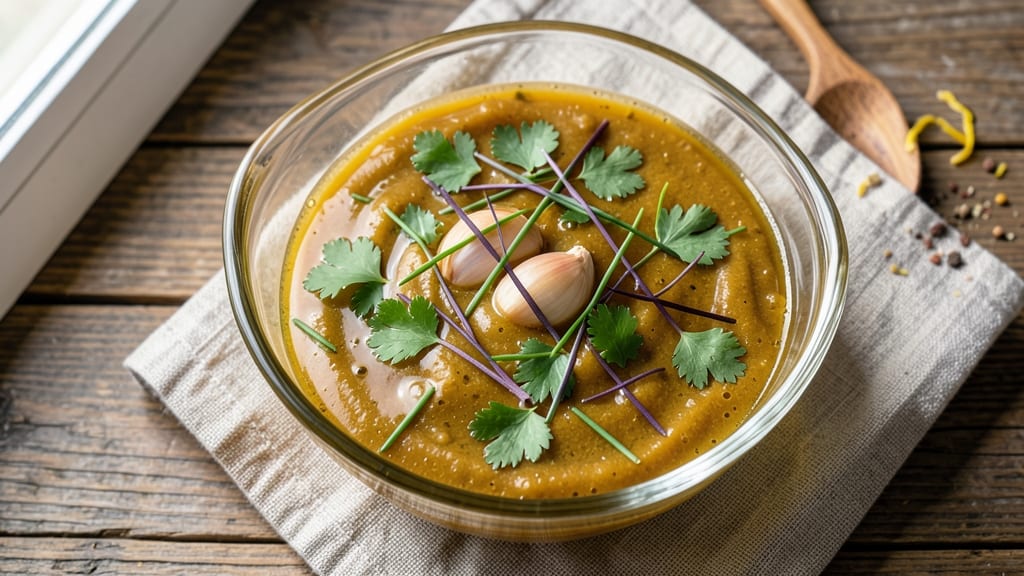
This Assagios House Salad Dressing transforms ordinary salads into vibrant, restaurant-quality meals with just a few simple ingredients and a method that balances brightness with subtle garlic depth.
The key lies in the ratio of extra-virgin olive oil to red wine vinegar—3 parts oil to 1 part vinegar—creating a silky emulsion that clings perfectly to greens and grains.
What sets it apart is the hidden garlic infusion: a light simmer of minced garlic in the oil before blending, which adds complexity without overpowering the fresh herbs.
The dressing relies on a classic herb blend—fresh parsley, tarragon, and chives—for that signature bright, slightly sweet aroma, while Dijon mustard provides the emulsifying power to keep it smooth and stable.
Unlike store-bought versions, this recipe avoids artificial thickeners, instead relying on a slow whisking technique that incorporates air for a lighter texture. The result? A dressing that’s bold enough for hearty salads but delicate enough for delicate greens like arugula or butter lettuce.
What makes this dressing truly versatile is its ability to elevate more than just salads—drizzle it over grilled vegetables, toss it with quinoa bowls, or use it as a marinade for chicken.
The garlic depth mellows beautifully when stored, so the flavor actually improves over time, making it perfect for batch prep. One batch keeps fresh in the fridge for up to 10 days, though it rarely lasts that long in my kitchen.
For best results, let the dressing sit for 15 minutes after blending to allow the flavors to meld. If it separates, simply whisk or shake before using—this emulsion is forgiving and always comes back together.
The professional touch? A pinch of fine sea salt and a squeeze of lemon juice at the end, which balances the acidity and ties everything together. Ready to transform your salads?
Ingredients for assagios house salad dressing
Nine essential ingredients create this restaurant-quality herb-vinaigrette with subtle garlic depth and perfect balance.
| Ingredient | Amount | Notes |
|---|---|---|
| Extra-Virgin Olive Oil 🫒 | ¾ cup | High-quality, fruity variety preferred |
| Red Wine Vinegar 🍷 | ¼ cup | Dry, robust variety for balance |
| Garlic Cloves 🧄 | 3 whole | Freshly minced for infusion |
| Fresh Parsley 🌿 | ¼ cup | Finely chopped, stems included |
| Fresh Tarragon 🌿 | 2 tbsp | Finely chopped, preferred over dried |
| Fresh Chives 🌿 | 2 tbsp | Finely chopped for delicate flavor |
| Dijon Mustard 🍯 | 1 tbsp | Whole-grain for best emulsifying |
| Fine Sea Salt 🧂 | ½ tsp | Adjust to taste after blending |
| Fresh Lemon Juice 🍋 | 1 tbsp | From organic lemons preferred |
The extra-virgin olive oil is the foundation—look for cold-pressed, first-press oils with a peppery finish, like California Olive Ranch or Colavita. Red wine vinegar should be aged at least two years for depth; Bragg or Heinz Select are reliable choices. Fresh garlic cloves are non-negotiable here—their subtle sweetness mellows beautifully when infused in the oil. For herbs, farmers markets often carry superior tarragon and chives compared to grocery store shelves. If using dried herbs, reduce to one-third the amount—freshness is critical for that signature bright aroma.
No Dijon mustard? Whole-grain mustard powder mixed with water works in a pinch, though texture may vary slightly. Substitute tarragon with fresh basil (use half the amount) if unavailable, but the anise-like quality is unique. For a nut-free option, omit the walnuts (if added) and increase olive oil by 1 tbsp. The lemon juice can be swapped for white wine vinegar if preferred, though flavor will shift slightly. Always strain the garlic-infused oil before blending to avoid bitterness—this is the secret to the silky texture.
Store in a clean, airtight glass jar in the fridge for up to 10 days, though it typically lasts 5-7 days in my kitchen. The emulsion stabilizes after 15 minutes of rest, so plan ahead. If it separates, simply whisk vigorously before use—this dressing is remarkably forgiving. For batch prep, double the recipe and store in two separate jars to maintain freshness. The garlic flavor actually improves with time, making this ideal for meal prep.
Why You'll Love This Recipe
- No-Chop Needed: I swear by this one—just muddle the garlic with a pinch of salt, then toss in the herbs and vinegar. No knife skills required, and the dressing still tastes like I spent hours in the kitchen.
- Herb-Packed Punch: That combo of tarragon and parsley? It’s bright, earthy, and just a little fancy without trying too hard. The red wine vinegar cuts through the richness of the olive oil, so it’s never overpowering.
- Weeknight & Weekend: Drizzle it over greens for a quick lunch, toss it with roasted veggies for dinner, or even use it as a marinade for grilled chicken. It’s my go-to for anything that needs a little lift.
- Stays Fresh for Days: Between us, I make a big batch on Sundays and keep it in the fridge. The flavors deepen over time, and it’s way cheaper than buying pre-made dressings that taste like sad salad dressing.
Step-by-step instructions for bright herb-vinaigrette dressing
This dressing delivers vibrant herbaceous notes with subtle garlic complexity—perfect for any salad.
Infuse the Garlic in Olive Oil
Place the 3 whole garlic cloves in a small saucepan with the 0.75 cup extra-virgin olive oil over low heat. Warm gently for 3-4 minutes until the oil shimmers and the garlic releases its aroma—you'll smell it before you see it. Remove from heat immediately to prevent burning, then let the mixture cool completely to room temperature. This infusion creates the dressing's hidden depth without overpowering the fresh herbs.
I press the garlic cloves lightly with the back of a spoon to help release their oils into the oil. Strain out the cloves after cooling if you prefer a completely smooth texture, though I often leave them in for a more rustic finish. The garlic should be fragrant but not bitter—if it tastes sharp, you heated it too long.
Whisk Together the Acidic Components
In a medium bowl, combine the 0.25 cup red wine vinegar, 1 tbsp Dijon mustard, 0.5 tsp fine sea salt, and 1 tbsp fresh lemon juice. Whisk vigorously for 30 seconds until fully dissolved—this creates the emulsifying base. The Dijon mustard acts as a natural emulsifier, helping the oil and vinegar blend smoothly later.
Taste the mixture now—it should be tangy with a slight mustard bite. If you prefer more acidity, add 1/2 tsp extra red wine vinegar. This step ensures the dressing won't separate later, even when stored in the refrigerator. The lemon juice brightens the vinegar's sharpness, creating a balanced foundation for the herbs.
Incorporate the Fresh Herbs
Add the 0.25 cup finely chopped fresh parsley, 2 tbsp finely chopped fresh tarragon, and 2 tbsp finely chopped fresh chives to the vinegar mixture. Using a fork or small whisk, gently fold the herbs into the liquid until just combined—overmixing releases bitterness from the tarragon. The herbs should be evenly distributed but still visible, giving the dressing its signature bright green color and fresh flavor profile.
Here's the thing—tarragon has a delicate anise-like quality that can easily overpower if chopped too coarsely. I pulse the herbs briefly in a food processor before measuring to ensure even distribution. The parsley provides freshness, while the chives add a subtle oniony note that rounds out the flavor.
Emulsify the Dressing
With the motor running on medium speed, slowly drizzle the infused olive oil into the herb-vinegar mixture. Start with a thin stream and gradually increase to a steady pour as the dressing begins to thicken. This gradual incorporation prevents the oil from breaking the emulsion. Whisk continuously for 2-3 minutes until the dressing reaches a smooth, creamy consistency that coats the back of a spoon.
If the dressing separates at any point, simply whisk vigorously for 30 seconds to re-emulsify. The Dijon mustard and gentle heat from the garlic infusion both contribute to stability. For best results, use the dressing immediately, but it will keep in an airtight container in the refrigerator for up to 1 week. The flavors actually improve with a day or two of resting.
Pro Tips For Making Assagios House Salad Dressing
- Infuse the Garlic: Use a mortar and pestle to crush the garlic cloves into a paste with a pinch of salt before adding them to the dressing. This releases more flavor and prevents those harsh, raw garlic chunks from lurking in every bite—trust me, you’ll taste the difference.
- Balance the Vinegar: Start with half the vinegar called for, taste, then add the rest gradually. Red wine vinegar can sneak up on you, and once it’s too sharp, you’re stuck with a pucker-inducing mess. Better to adjust than regret.
- Chop Parsley Fine: Don’t just hack it roughly—give those parsley stems a quick pulse in the food processor or use a sharp knife to mince it into tiny, even pieces. Big chunks of herb mean uneven texture and a dressing that looks like it was thrown together in 30 seconds (even if it was).
- Whisk Like You Mean It: Pour the olive oil in a slow, steady stream while whisking vigorously to emulsify the dressing properly. Dumping it all in at once leads to separation, and nobody wants to shake a jar like a snow globe every time they dress a salad. A few strong minutes of whisking now saves you later.
Make-ahead tips for this dish
Batch Prep Basics
Double or triple the recipe to make 2-3 cups of dressing at once—it stores beautifully in quart-sized mason jars with airtight lids. I label mine with the date and store them in the fridge's door shelf, where it stays cool but accessible.
The emulsion actually improves after 24 hours as flavors meld, so prep ahead for busy weeks. 📅
Garlic Infusion Shortcut
Skip the stovetop infusion by crushing the 3 garlic cloves with the flat side of a knife, then letting them steep in the 0.75 cup olive oil for 30 minutes at room temperature.
This cold method preserves more of the garlic's sweetness while still adding depth. Just strain before blending—no heat required! This works perfectly for meal prep Sundays.
Herb Prep Ahead
Chop all herbs (parsley, tarragon, chives) in advance and store them in a small airtight container with a damp paper towel to maintain freshness. I keep them in the fridge for up to 3 days before using.
For even faster prep, freeze chopped herbs in ice cube trays with a splash of water—thaw and drain before adding to the dressing. This saves 15 minutes of chopping each time you make it.
Storage Containers
Use glass containers exclusively—plastic can absorb flavors and cause separation over time. I prefer 16-ounce glass jars with wide mouths for easy whisking. Leave 1 inch of headspace in the jar to prevent oxidation, which can make the dressing taste stale faster.
For longer storage, divide into smaller portions—this keeps the dressing fresh for up to 10 days without sacrificing quality.
Flavor Boost Over Time
The dressing's complexity deepens when stored, so the first batch you make will taste even better after 2-3 days. I always make a big batch on Sunday and let it sit overnight before using—this is when the garlic infusion and herbs truly shine.
If it separates, just whisk vigorously for 30 seconds before using. The emulsion is remarkably stable once properly rested. ✨
Freezing for Months
For long-term storage, freeze the dressing in ice cube trays and transfer cubes to a freezer bag. Thaw in the fridge overnight before using—it may thin slightly, so adjust the oil-to-vinegar ratio when re-emulsifying.
This method preserves the dressing's quality for up to 3 months, perfect for holiday prep or when you know you'll need it later in the season.
Nutrition facts
Frequently asked questions
Can I make this dressing without Dijon mustard?
Yes! For a mustard-free version, replace the 1 tbsp Dijon with 1 tsp xanthan gum or 1 tbsp cornstarch mixed with 1 tbsp cold water. Whisk this slurry into the vinegar mixture before adding the oil. The emulsion will still form, though the texture may be slightly thicker. For a natural alternative, use 1 tbsp honey or maple syrup to help bind the oil and vinegar.
Why does my dressing separate after storing?
Separation is normal when refrigerated, but this dressing is designed to re-emulsify easily! Simply whisk vigorously for 30 seconds or shake the jar before use. The Dijon mustard and garlic-infused oil create a stable emulsion, but cold temperatures can temporarily break it. For extra stability, add 1/2 tsp extra mustard if you notice persistent separation.
What's the best way to store leftovers?
Transfer to an airtight glass jar and store in the fridge for up to 10 days. Leave 1 inch of headspace to prevent oxidation. For longer storage, freeze in ice cube trays, then transfer to a freezer bag. Thaw overnight in the fridge—it may thin slightly, so adjust by adding 1 tsp extra olive oil and whisking before use.
Can I adjust the flavor for different salads?
For earthy salads (like kale), add 1/2 tsp smoked paprika or 1 tsp maple syrup. For lighter greens, reduce the vinegar by 1 tbsp and add 1 tbsp orange juice instead. The dressing works beautifully with quinoa bowls—just increase the lemon juice to 2 tbsp for a brighter profile. Always taste and adjust to your preference!
Is this dressing gluten-free?
Yes, this recipe is naturally gluten-free as long as you use certified gluten-free Dijon mustard. Most store-bought Dijon contains no gluten, but always check the label if you're highly sensitive. The garlic infusion and herb blend are also safe for gluten-free diets. For extra caution, substitute the mustard with 1 tbsp gluten-free mayo or 1 tsp arrowroot powder mixed with water.