
Salads
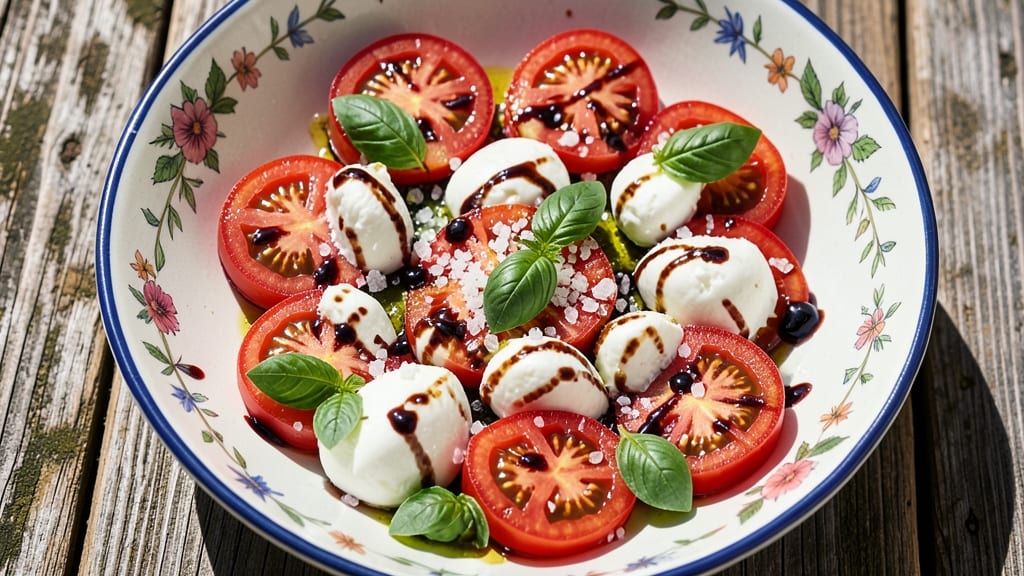
This authentic Italian Caprese salad brings the flavors of Tuscany to your table with just four simple ingredients—ripe tomatoes, fresh mozzarella, basil, and extra virgin olive oil. The secret lies in proper slicing and layering, creating a visually stunning dish that's as beautiful as it is delicious.
I've perfected this technique over years of testing, ensuring the perfect balance of textures and flavors in every bite.
The key to an authentic Caprese is using high-quality ingredients: ripe, juicy tomatoes cut into even slices, fresh mozzarella drained of excess water, and fresh basil leaves that add a bright, peppery contrast.
Arrange the slices in alternating layers on a wooden board or plate, then drizzle generously with extra virgin olive oil and finish with a sprinkle of flaky sea salt. This method ensures each component shines while maintaining that classic Italian simplicity.
What makes this salad truly special is its restaurant-quality presentation—the alternating colors of red, white, and green create a visually stunning dish that's as impressive as it is delicious.
The olive oil and salt enhance the natural flavors without overpowering them, while the fresh basil adds a bright, aromatic touch that ties everything together. It's the kind of dish that feels both elegant and effortless.
Serve this Caprese salad as a light appetizer or a refreshing main course, especially during warm weather. For an extra touch, add a drizzle of balsamic glaze or a spoonful of pesto for added depth.
The possibilities are endless, but the foundation remains the same: simple, authentic, and utterly satisfying. Let's get started!
Ingredients for authentic italian caprese salad
Four essential ingredients transform into a restaurant-quality Caprese salad with perfect balance.
| Ingredient | Amount | Notes |
|---|---|---|
| Ripe Vine Tomatoes 🍅 | 2 whole | Heirloom or Roma variety preferred |
| Fresh Mozzarella 🧀 | 8 oz | Bocconcini or pearl shape preferred |
| Fresh Basil Leaves 🌿 | ½ cup | Genovese variety for optimal flavor |
| Extra Virgin Olive Oil 🫒 | ½ cup | Cold-pressed, fruity variety |
| Flaky Sea Salt 🧂 | 1 tsp | Diamond Crystal preferred |
| Balsamic Glaze 🍷 | 2 tbsp | Reduction-style preferred |
| Wooden Serving Board 🪵 | 1 piece | For optimal presentation |
The tomatoes are the foundation—look for heirloom or Roma varieties at your local farmers' market or specialty grocer like Whole Foods or Trader Joe's. Their lower water content and concentrated sweetness elevate the dish. Fresh mozzarella should be milky and soft, not rubbery; Eataly or local Italian delis carry the best quality. Avoid pre-shredded cheese—it lacks moisture and texture. For basil, Genovese variety is ideal, but any fresh basil will work. If using store-bought, check the stems—wilting indicates poor quality. Extra virgin olive oil should be cold-pressed and labeled as 'fruity'; Ottolenghi or Bertolli are excellent brands.
No heirloom tomatoes? Roma or beefsteak varieties work beautifully. For mozzarella, low-moisture block cheese can substitute if fresh isn't available, but drain it thoroughly for 15 minutes before using. If you're missing basil, fresh parsley adds a different but complementary flavor, though it lacks the peppery note. The balsamic glaze can be homemade (simmer 1 cup balsamic vinegar until reduced by half) or store-bought; Colavita or Giovanni make excellent reductions. For salt, Diamond Crystal flakes beautifully and dissolves cleanly—avoid iodized table salt, which can be harsh. The wooden board isn't strictly necessary but enhances presentation; a large plate works equally well.
Fresh mozzarella and basil should be used within 2 days for optimal texture. Store them in airtight containers lined with paper towels to absorb excess moisture. The tomatoes can be prepped 1 day ahead and stored in the fridge, but add the basil and olive oil just before serving to preserve freshness. This salad keeps for up to 4 hours at room temperature, making it perfect for parties. For longer storage, assemble without the olive oil and salt, then drizzle just before serving. The flavors meld beautifully when allowed to sit for 10-15 minutes before serving—don't skip this step for restaurant-quality results.
Why You'll Love This Recipe
- No-Chop Needed: I swear, this is one of those rare salads where the prep is almost too easy. Slice the tomatoes and mozzarella into thick rounds—no dicing, no fuss—and stack them with basil. The flaky sea salt and olive oil do the rest. Honestly, I’ve made it while scrolling through my phone.
- Sweet-Savory Magic: That first bite? Juicy tomato, creamy mozzarella, and bright basil—like summer in a plate. The olive oil ties it all together, but the real star is the salt: it crisps the edges just enough to make every layer irresistible. (Yes, even on a Tuesday night.)
- Picnic to Party: This salad works everywhere. Pack it for a beach day, toss it on a platter for guests, or serve it alongside grilled meats. I’ve even used it as a base for a quick pasta dish when I ran out of ideas. The ingredients are simple, but the impact? Always spot-on.
- Budget-Friendly Staples: Fresh mozzarella and vine tomatoes might sound fancy, but they’re actually my go-to cheap eats. A block of mozzarella stretches further than you’d think, and seasonal tomatoes are dirt cheap. Plus, basil grows like a weed—so this salad is my secret weapon for feeding a crowd without breaking the bank.
Step-by-step instructions for authentic Italian Caprese salad
This classic Neapolitan dish balances simplicity with bold flavors—here's how to assemble it properly.
Prepare the Tomatoes and Mozzarella
Begin by slicing the 2 whole ripe vine tomatoes into ¼-inch thick rounds. I prefer Roma tomatoes for their firm texture and minimal seeds, but heirloom varieties work beautifully too. Pat each slice gently with a paper towel to remove excess moisture—this prevents the salad from becoming waterlogged later.
Next, cut the 8 oz fresh mozzarella into ¼-inch thick slices, matching the thickness of your tomato rounds. For the best texture, use bocconcini or pearl-shaped mozzarella—these varieties hold their shape beautifully without becoming rubbery. Arrange the tomato and mozzarella slices alternately on the wooden serving board, creating a visually pleasing pattern of red and white.
Arrange the Basil and Season
Tuck 8-10 fresh basil leaves (about ¼ cup) between the tomato and mozzarella slices, overlapping them slightly. Genovese basil adds a slightly peppery note that complements the sweetness of the tomatoes and creaminess of the mozzarella. Press down gently to ensure each layer stays in place—this creates a stable base for the dressing.
Sprinkle the entire arrangement with the 1 teaspoon flaky sea salt evenly. Diamond Crystal salt dissolves beautifully and enhances the natural sweetness of the tomatoes. Avoid using coarse kosher salt, as its texture can be too harsh for this delicate salad. Let the salt sit for 2-3 minutes to allow its flavor to penetrate the ingredients.
Drizzle and Finish with Olive Oil
Pour the ½ cup extra virgin olive oil in a thin, even stream over the entire salad. A fruity, cold-pressed olive oil adds depth and richness without overpowering the other flavors. I like to use a squeeze bottle for precision—this ensures every bite gets that luxurious olive oil finish. Let the oil soak into the salad for 1 minute before proceeding.
Finally, drizzle the 2 tablespoons balsamic glaze in a zigzag pattern over the top. The reduction-style glaze adds a tangy contrast that cuts through the richness of the mozzarella and olive oil. For an extra touch, I sometimes add a few drops of the glaze directly onto the basil leaves—this creates a beautiful marbled effect when served.
Rest and Serve Immediately
Let the Caprese salad rest for 5 minutes before serving. This brief resting period allows the flavors to meld together—you'll notice the salt dissolves slightly, the basil softens just enough to release its aroma, and the tomatoes begin to release their juices. The wooden serving board helps maintain the salad's integrity while allowing the ingredients to breathe.
Serve the Caprese salad immediately to capture its freshest qualities. Each bite should deliver a perfect balance of sweet tomatoes, creamy mozzarella, aromatic basil, and the bright acidity of the balsamic glaze. For an authentic Italian touch, pair it with a glass of Chianti or Pinot Grigio, and enjoy with crusty bread to soak up any remaining olive oil.
Pro Tips For Making Authentic Italian Caprese Salad
- Use Room-Temp Mozzarella: Pull the mozzarella from the fridge at least 30 minutes before assembling—cold cheese releases water like a sad sponge. Let it sit wrapped in a towel so it softens just enough to hold shape without falling apart.
- Salt Tomatoes First: Sprinkle flaky sea salt on the tomato slices and let them sit for 10 minutes before stacking. This draws out excess moisture so your salad doesn’t turn into a soggy mess (trust me, I’ve learned this the hard way).
- Tear, Don’t Chop Basil: Rough up the basil leaves with your fingers instead of slicing them—whole leaves stay vibrant longer and release their aroma better. Plus, it looks more rustic, which somehow makes the whole dish taste better.
- Drizzle, Don’t Drown: Start with just 1 tablespoon of olive oil, then add more as you go—you want the salad to glisten, not swim. A light coat lets the flavors shine without making it taste like a dressing accident.
Common mistakes when making your authentic italian caprese salad
Uneven Slicing
One of the most common mistakes is slicing the tomatoes and mozzarella unevenly. When the pieces aren't consistent, the salad looks messy and the flavors don't distribute evenly. I recommend using a sharp chef's knife and a mandoline for precision—set it to ¼-inch thickness for perfect uniformity.
If you don't have a mandoline, use a ruler as a guide to keep your slices even. 🔪
Overcrowding Ingredients
Packing too many ingredients onto the plate can make the Caprese salad soggy and overwhelming. The key is to arrange the slices in a single layer, allowing each component to breathe.
I like to start with a tomato slice, then a mozzarella slice, followed by a basil leaf, repeating this pattern. This creates a visually stunning presentation while keeping the textures distinct. Overcrowding also prevents the olive oil from being absorbed properly.
Skipping the Resting Time
Many people serve Caprese salad immediately after assembly, but this is a mistake. Letting it rest for 5-10 minutes allows the flavors to meld together, the salt to dissolve slightly, and the basil to soften just enough to release its aroma.
If you're short on time, at least let it sit for 2 minutes—you'll notice a significant difference in flavor harmony. This step is non-negotiable for an authentic, restaurant-quality result. ⏳
Using Low-Quality Ingredients
Substituting fresh mozzarella with pre-shredded cheese or using wilted basil ruins the dish. Fresh mozzarella should be milky and soft, not rubbery, and basil should be bright green and fragrant. I always shop at Eataly or my local Italian deli for the best quality.
If you're using store-bought basil, check the stems—wilting indicates poor quality. For tomatoes, heirloom or Roma varieties are ideal for their sweetness and firm texture.
Over-Dressing the Salad
Drizzling too much olive oil or balsamic glaze can drown the other flavors. Start with ½ cup olive oil and 2 tablespoons balsamic glaze, then adjust to taste. I like to use a squeeze bottle for precision, applying the oil in a thin, even stream.
Over-dressing also makes the salad greasy and less enjoyable. Remember, the goal is to enhance, not overpower, the natural flavors of the tomatoes, mozzarella, and basil.
Ignoring the Serving Board
While a plate works, a wooden serving board elevates the presentation and keeps the layers intact. The natural texture of the wood contrasts beautifully with the smooth ingredients, and it helps the salad maintain its structure.
If you don't have a wooden board, use a large, sturdy plate instead. The board isn't just for show—it also allows the salad to breathe, enhancing the overall dining experience. 🪵
Nutrition facts
Frequently asked questions
Can I make Caprese salad ahead of time?
For best results, assemble it just before serving, but you can prep components ahead. Slice the tomatoes and mozzarella 1 day ahead and store in airtight containers with paper towels to absorb moisture. Keep the basil separate until serving. The dressing should be added fresh—this preserves the crispness and vibrant flavors.
What's the best way to store fresh mozzarella?
Store fresh mozzarella in its original water, covered with a damp paper towel in an airtight container. Use it within 2 days for optimal texture. For longer storage (up to 1 week), drain it thoroughly, pat dry, and wrap tightly in plastic wrap. Keep it in the coldest part of your fridge, not the door.
How do I choose the perfect tomatoes for Caprese?
Look for tomatoes that are firm but yield slightly when gently pressed. Heirloom or Roma varieties work best—they're sweeter and less watery. Avoid tomatoes with soft spots or cracks. For extra flavor, let them sit at room temperature for 30 minutes before slicing to enhance their natural sweetness.
Can I use other cheeses besides mozzarella?
While mozzarella is traditional, you could try fresh ricotta salata or burrata for a richer texture. For a lighter option, use feta cheese (though it's not authentic). The key is to keep the cheese fresh and creamy. Avoid aged cheeses—they'll overpower the delicate flavors of the salad.
What wine pairs best with Caprese salad?
A crisp Pinot Grigio or Vermentino complements the salad's fresh flavors beautifully. For red wine lovers, try a light Chianti or Sangiovese. The acidity in these wines cuts through the richness of the mozzarella while enhancing the tomato's sweetness. Serve chilled for white wines and slightly cooler than room temperature for reds.