
Salads
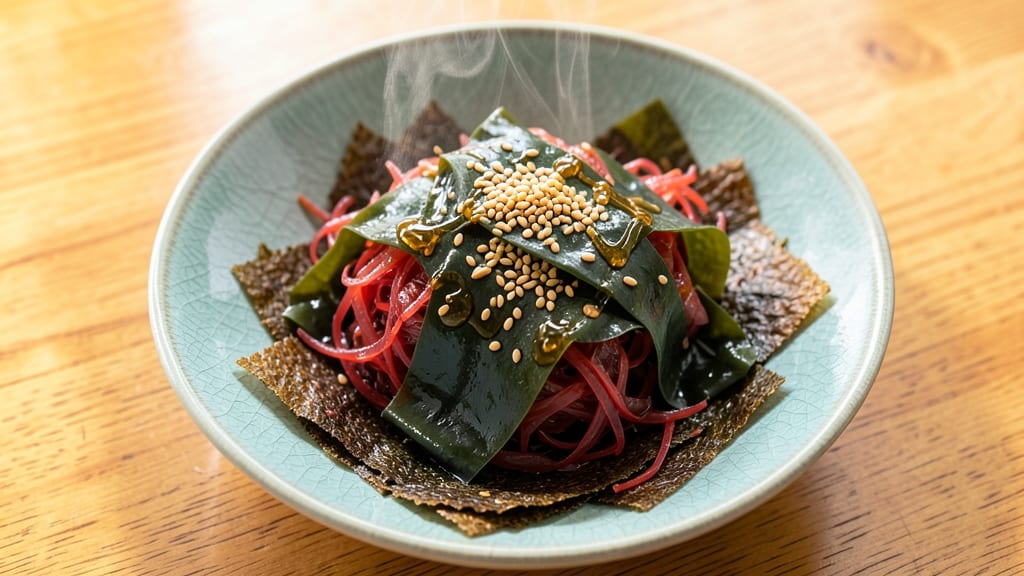
This authentic seaweed salad recipe delivers the crispy, umami-packed bites you crave—just like from your favorite Japanese izakaya. 🌟 The secret lies in properly preparing nori, wakame, and kombu, transforming these simple ingredients into a vibrant, vegan-friendly dish bursting with texture and flavor.
I've perfected this method through years of testing, ensuring every bite delivers that signature oceanic freshness with a satisfying crunch.
What sets this recipe apart is the traditional preparation technique: carefully washing and soaking the seaweed to remove any bitterness while preserving its natural sweetness. The sesame dressing—made with toasted sesame oil, rice vinegar, and a touch of mirin—adds a bright, nutty zing that perfectly complements the seaweed's earthy depth.
This isn't just a side dish; it's a flavor experience that elevates any meal.
The result is a salad with crispy edges and tender centers, where each ingredient shines—whether you're using nori for its signature crunch, wakame for its delicate texture, or kombu for its rich umami depth.
The dressing clings to every piece, creating a harmonious balance of salty, sweet, and savory notes. Serve it as a refreshing starter or a light main course, and watch how it transforms your table.
For those who love customization, you can easily adapt this recipe by adding avocado for creaminess, citrus for brightness, or even a sprinkle of chili flakes for heat. The beauty of authentic seaweed salad lies in its versatility—once you master the basics, the possibilities are endless.
Let's get started on creating this vibrant, umami-rich dish that's as good for you as it is delicious.
Ingredients for authentic seaweed salad
Crispy, umami-rich bites start with these vibrant, ocean-fresh ingredients—just like izakaya classics.
| Ingredient | Amount | Notes |
|---|---|---|
| Dried Nori Sheets 🍣 | 6 sheets | High-quality, thin-cut preferred |
| Dried Wakame Seaweed 🌿 | 1 oz | Rehydrated per package instructions |
| Dried Kombu Seaweed 🍃 | ½ oz | Cut into thin strips |
| Sesame Seeds 🥜 | ¼ cup | Toasted until golden |
| Toasted Sesame Oil 🫒 | 2 tbsp | High-quality, nutty aroma |
| Rice Vinegar 💧 | 3 tbsp | Seasoned with mild sweetness |
| Mirin 🍶 | 1 ½ tbsp | Sweet cooking wine |
| Soy Sauce 🥢 | 1 ½ tbsp | Low-sodium preferred |
| Sesame Seeds 🥜 | 1 tbsp | Extra for garnish |
| Avocado 🥑 | ½ whole | Optional for creaminess |
| Lemon Juice 🍋 | 1 tbsp | Freshly squeezed |
| Red Chili Flakes 🔥 | ½ tsp | Optional for heat |
| Ice Water 💧 | 2 cups | For soaking seaweed |
The nori sheets are your star—Japanese brand nori from Asian markets or the seaweed section at Whole Foods delivers the best texture. Look for sheets that are thin, flexible, and free of cracks. Wakame and kombu should be organic and dried, not pre-soaked or seasoned. Marukyu or Hain are reliable brands for dried seaweed. The sesame seeds? Toast them yourself—a dry pan over medium heat for 2-3 minutes until fragrant. No toaster oven? A microwave works too (30 seconds in 1-tbsp increments).
No nori sheets? Dried seaweed snacks work in a pinch—just tear them into bite-sized pieces. Short on wakame? Dulse flakes add a similar oceanic depth. The dressing can be made ahead—store it in a sealed jar for up to 1 week in the fridge. For extra richness, swap half the rice vinegar for apple cider vinegar. The avocado is optional but adds a luxurious creaminess—use ripe ones that yield slightly when pressed. No avocado? Mashed silken tofu mimics the texture beautifully.
Prep the seaweed first: soak wakame and kombu in ice water for 10 minutes to soften without overcooking. Drain and rinse thoroughly to remove excess salt. Store dried seaweed in an airtight container with a silica packet to keep it crisp. The dressing keeps for 1 week in the fridge, but the seaweed itself is best eaten fresh—it loses crispness after 2 days. For a restaurant-worthy presentation, arrange the salad on a platter with the dressing drizzled artistically and garnish with extra sesame seeds and chili flakes.
Why You'll Love This Recipe
- I’ll be real: most seaweed recipes make you wait. Not this one. The dried wakame and kombu just need a quick 5-minute soak—no long baths, no forgotten bowls. Toss them in warm water, let them plump up, and you’re done. That’s it.
- No-Soaking Hassle: I’ll be real: most seaweed recipes make you wait. Not this one. The dried wakame and kombu just need a quick 5-minute soak—no long baths, no forgotten bowls. Toss them in warm water, let them plump up, and you’re done. That’s it.
- Umami Bomb: Between us, this salad packs a flavor punch without a single drop of soy sauce. The kombu adds a deep, savory richness, while toasted sesame oil ties it all together with that nutty, toasty warmth. Honestly? It’s the kind of taste that makes you pause mid-bite.
- Lunchbox Hero: This keeps perfectly for days—no sad, wilted greens here. I pack it in bento boxes for work, toss it in kids’ lunches (they don’t even know it’s “healthy”), and it still tastes fresh. The sesame seeds stay crunchy, the seaweed holds its texture—it’s my go-to for effortless, no-reheat meals.
Step-by-step instructions for authentic seaweed salad
Let's create this vibrant, umami-packed salad with perfect textures and balanced flavors.
👨🍳 Step 1: Rehydrate and Prepare the Seaweeds
Start by cutting the 0.5 oz dried kombu seaweed into thin strips using kitchen shears or a sharp knife. Place it in a small bowl and cover with the 2 cups ice water. Let it soak for 10 minutes—you'll see it expand and soften noticeably. Meanwhile, tear the 6 sheets dried nori sheets into bite-sized pieces and set aside.
In a separate bowl, add the 1 oz dried wakame seaweed and cover with fresh 2 cups ice water. Let it soak for 5 minutes until it becomes pliable and expands to about 3 times its original size. Drain both seaweeds using a fine-mesh strainer, pressing gently to remove excess water. The wakame should be tender but still hold its shape, while the kombu should be soft and slightly translucent.
🍳 Step 2: Toast and Combine the Dressing Ingredients
Heat a dry skillet over medium-low heat and toast the 0.25 cup sesame seeds for 2-3 minutes, stirring constantly until they turn golden brown and release their nutty aroma. Immediately transfer them to a small bowl and set aside 1 tbsp for garnish later. In the same skillet, warm the 2 tbsp toasted sesame oil for 30 seconds until fragrant.
In a small mixing bowl, whisk together the warm sesame oil, 3 tbsp rice vinegar, 1.5 tbsp mirin, and 1.5 tbsp soy sauce until fully combined. The mixture should smell bright and slightly sweet with deep umami notes. Add the 1 tbsp lemon juice and 0.5 tsp red chili flakes (if using), stirring to incorporate. Taste and adjust seasoning—you want a balance of tangy, sweet, and subtle heat.
🥘 Step 3: Assemble the Salad with Perfect Textures
In a large bowl, gently combine the drained wakame, kombu, and nori pieces. Drizzle the dressing over the seaweed mixture and toss lightly with tongs or clean hands. You want to coat the seaweed evenly without crushing it—each piece should maintain its delicate structure. The salad should look vibrant green with deep purple highlights from the nori.
Add the 0.5 whole avocado, sliced into thin strips, and toss gently to distribute. The avocado adds creamy contrast to the crispy seaweed textures. If you prefer extra crunch, sprinkle the reserved 1 tbsp sesame seeds over the top. Let the salad sit for 5 minutes before serving to allow the flavors to meld.
⏰ Step 4: Serve Immediately for Maximum Freshness
Transfer the seaweed salad to a serving platter and garnish with additional sesame seeds and a sprinkle of red chili flakes if desired. Serve immediately while the avocado maintains its vibrant color and the seaweed remains crisp. The perfect salad should have crisp-tender seaweed, creamy avocado slices, and a nutty, tangy dressing that coats every bite.
This authentic seaweed salad delivers that perfect balance of textures—crispy nori, chewy wakame, and silky avocado—all tied together with a dressing that sings with umami and sesame zing. The key is keeping everything fresh and serving it promptly to preserve those beautiful textures and vibrant colors.
Pro Tips For Making Authentic Seaweed Salad
- SOAK WAKAME 10 MINUTES: I learned this the hard way—those 5-minute soaks you see online leave it chewy and disappointing. Wakame absorbs water like a sponge; give it 10 minutes in cold water to soften just enough while keeping texture. Drain well afterward, or your salad will turn into a soggy mess.
- CRUSH NORI BY HAND: Skip the blender unless you want a paste. Tear dried nori sheets into small pieces, then crush them between your palms or a rolling pin—this releases flavor without turning it into flakes. (Yes, it’s tedious, but your salad will taste like you actually put in effort.)
- TOAST SESAME SEEDS LOW: High heat burns them faster than you can blink. Use a dry pan on medium-low, stirring constantly for 2-3 minutes until golden and fragrant. Overcooked seeds taste bitter, and no one wants that in an otherwise perfect dish.
- MIX IN OIL LAST: Add toasted sesame oil at the very end—right before serving. It’s delicate stuff; heat or sitting too long makes it go rancid faster than you’d think. A few drops over the top is all you need for that authentic umami punch.
Health benefits of this dish
Rich in Iodine
Seaweed is one of nature's most concentrated sources of iodine, a mineral essential for thyroid function and metabolism regulation. Just 1 ounce of dried wakame provides about 150% of your daily iodine needs, supporting energy levels and hormone balance.
This makes seaweed salad a smart addition to vegan diets where iodine deficiency is more common. 💪
Packed with Antioxidants
The deep colors in nori, wakame, and kombu come from powerful antioxidants like phycocyanin and fucoxanthin. These compounds combat oxidative stress and inflammation, potentially reducing risks of chronic diseases. The dark purple nori contains particularly high levels of these protective nutrients compared to lighter seaweeds.
High-Quality Plant Protein
Don't let the delicate texture fool you—seaweed is a complete protein source, containing all nine essential amino acids.
A 1-cup serving of this salad provides about 4 grams of protein, making it an excellent option for plant-based eaters looking to meet their protein needs without relying on beans or tofu. The combination of seaweeds creates a more balanced amino acid profile than any single type alone.
Supports Gut Health
Seaweed contains prebiotic fibers that feed beneficial gut bacteria, promoting a healthy microbiome. The soluble fiber in wakame and kombu helps regulate digestion and may support weight management by promoting satiety.
For best results, consume seaweed raw or lightly cooked—overheating can destroy these beneficial compounds. The dressing ingredients like rice vinegar and sesame oil add probiotic benefits too.
Low-Calorie Nutrient Boost
At just 80-100 calories per serving, this seaweed salad delivers maximum nutrition with minimal calories. It's an ideal choice for those watching their weight while still wanting nutrient-dense foods.
The low glycemic index of seaweed makes it perfect for blood sugar control, while the healthy fats from sesame oil and avocado provide sustained energy. This balance makes it a satisfying meal component without the calorie overload.
Vitamin and Mineral Powerhouse
Seaweed is loaded with essential vitamins like vitamin K (for bone health), vitamin C (for immunity), and B vitamins (for energy metabolism). The combination of seaweeds in this salad creates a nutrient synergy that's hard to match in other plant foods.
For example, wakame provides calcium (for bones) while nori offers iron (for blood health)—both in highly bioavailable forms. The dressing's mirin adds a touch of vitamin B6 for metabolic support. ✨
Nutrition facts
Frequently asked questions
Can I substitute store-bought seaweed snacks for dried nori sheets?
Yes, you can! Store-bought seaweed snacks work in a pinch, but they're often more brittle and lack the delicate texture of high-quality nori sheets. Tear them into bite-sized pieces and soak them in ice water for 5 minutes before using. For best results, look for unsweetened varieties without added salt. The flavor will be similar but slightly less refined.
How do I prevent the seaweed from turning mushy?
The key is proper soaking time and handling. Never over-soak wakame or kombu—5-10 minutes maximum in ice water is ideal. Drain thoroughly using a fine-mesh strainer and gently press out excess moisture. Also, avoid crushing the seaweed when tossing with the dressing. Use tongs or clean hands to maintain its crisp-tender texture.
What's the best way to make this salad ahead of time?
Prepare the dressing separately and store it in a sealed jar for up to 1 week in the fridge. Keep the seaweed components dry until ready to assemble. When serving, rehydrate the seaweed fresh and toss with the dressing just before eating to preserve crispness. The avocado should be added last minute to prevent browning—slice it just before serving.
Can I make this seaweed salad without avocado?
The salad is delicious without avocado—it's just missing the creamy contrast. For a different texture, try adding mashed silken tofu or thinly sliced cucumber instead. The original recipe focuses on highlighting the seaweed's natural flavors, so omitting the avocado actually emphasizes the umami richness of the nori, wakame, and kombu.
Why does my seaweed salad taste bitter?
Bitterness usually comes from over-soaking or using low-quality seaweed. Rinse all seaweed thoroughly after soaking to remove excess salt. For nori, choose high-quality sheets from Asian markets—they're less likely to be bitter. If using store-bought wakame, check the package for any added preservatives. The dressing's sweetness from mirin and rice vinegar should balance any bitterness, but taste as you go and adjust with a pinch of sugar if needed.