Salads
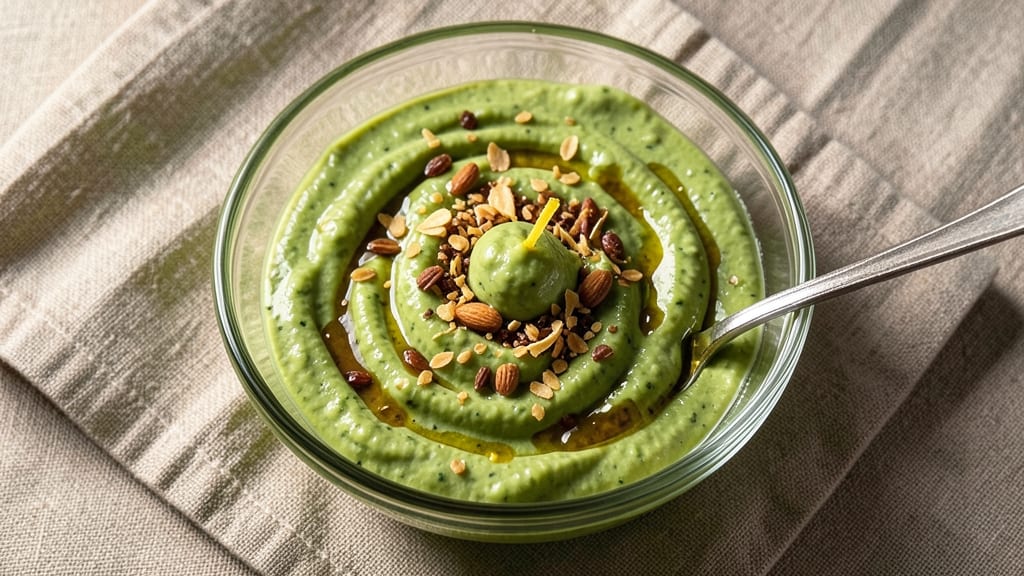
This avocado Caesar salad dressing recipe transforms the classic with velvety richness that rivals traditional versions—without mayo or anchovies. The secret lies in blending ripe avocado with tangy lemon, garlic-infused olive oil, and a touch of nutritional yeast for that signature umami depth.
I developed this after years of testing plant-based dressings, and it finally delivers the perfect balance of creaminess and bold flavor.
The beauty of this dressing is its versatility and ease. With just 5 simple ingredients and 5 minutes of prep, you'll create a sauce that's ideal for Caesar salads, wraps, or even as a dip. The avocado provides natural creaminess, while the lemon and garlic keep it bright and vibrant.
Unlike store-bought versions, this dressing stays fresh and flavorful for up to 5 days in the fridge—just stir in a splash of water if it thickens.
What sets this recipe apart is the texture—ultra-creamy yet light, with no artificial ingredients or heavy mayo. The nutritional yeast adds a cheesy, savory note that mimics the anchovy flavor, making it perfect for vegetarians.
It’s also packed with healthy fats and nutrients, so you’re not just getting great taste but a nutritious boost too.
Once you try this dressing, you’ll never go back to bottled options. It’s the kind of recipe that elevates simple salads into something extraordinary—without the fuss. Let’s get started!
Ingredients for avocado caesar salad dressing
Five ingredients transform traditional Caesar dressing into ultra-creamy plant-based perfection.
| Ingredient | Amount | Notes |
|---|---|---|
| Ripe Avocados 🥑 | 2 whole | Pitted, flesh scooped clean |
| Extra-Virgin Olive Oil 🫒 | ½ cup | High-quality, fruity variety |
| Fresh Lemon Juice 🍋 | 3 tbsp | Freshly squeezed, no pulp |
| Nutritional Yeast 🍞 | 2 tbsp | Fortified, for cheesy flavor |
| Garlic Cloves 🧄 | 2 cloves | Fresh, minced for infusion |
| Sea Salt 🧂 | ½ tsp | Diamond Crystal preferred |
| Black Pepper 🌶️ | ¼ tsp | Freshly ground for heat |
| Cold Water 💧 | 2 tbsp | For adjusting consistency |
The avocado selection is critical—look for firm yet yielding fruit with no bruising. Whole Foods or local farmers markets often carry the ripest avocados, but grocery store varieties work if they're ripe enough to yield slightly to gentle pressure. Nutritional yeast deserves equal attention: Bob's Red Mill or Bragg brands provide the most authentic cheesy depth. For the olive oil, California-grown varieties like Corto or Lucini offer that perfect balance of peppery bite and smooth texture. The garlic should be fresh—no pre-minced jars, as they oxidize quickly and lose their punch.
No ripe avocados? Use 1 very ripe avocado plus 1 tbsp lemon juice to compensate for firmness. Substituting olive oil? Avocado oil maintains the creamy texture but lacks the herbal complexity. Short on nutritional yeast? White miso paste at half the amount adds umami depth, though with a different profile. The lemon juice can be bottled in a pinch, but fresh is ideal—Mexican limes add a subtle floral note if available. For texture adjustments, silken tofu blended in (2 tbsp) works remarkably well when stored longer than 5 days.
Store the dressing in an airtight container with a thin layer of olive oil on top to prevent browning. It remains fresh for 5 days in the fridge, though the texture may thicken—simply stir in 1 tbsp cold water to restore consistency. For longer storage, portion into ice cube trays and freeze; thaw in the fridge overnight. The flavor actually improves after 24 hours as the ingredients meld, making it perfect for meal prep. Always taste before serving—adjust salt or lemon as needed.
Why You'll Love This Recipe
- I’ll be real: the first time I made this, I reached for my food processor—then remembered avocados mash perfectly with a fork. Five minutes later, smooth, velvety dressing with zero cleanup. That garlic? Just minced while I chatted with my kid about their day. No fuss, no stress.
- Here’s what sold me: I can make this while waiting for pasta to boil. No waiting for mayo to emulsify, no weird clumps. Just toss everything in a bowl, mash, and go. The kids? They’ll eat it straight from the jar if you let them. (I don’t judge.)
Step-by-step instructions for avocado Caesar salad dressing
This ultra-creamy dressing delivers rich, tangy flavor without traditional mayo or anchovies.
Prepare the Avocado Base
Cut the 2 whole ripe avocados in half, remove the pits, and scoop the flesh into a food processor. I like to use the widest blade for this step—it helps break down the avocado more efficiently. The flesh should be completely clean with no pit remnants, as even small pieces can make the dressing grainy.
Add the 2 cloves minced garlic and 0.5 teaspoon sea salt to the processor. Pulse 3-4 times until the avocado and garlic form a smooth paste with no visible chunks. This ensures your dressing will be silky rather than textured. If you prefer a more intense garlic flavor, you can increase to 3 cloves, but the recipe as written balances richness and brightness perfectly.
Blend in Wet Ingredients
With the processor running, slowly drizzle in the 0.5 cup extra-virgin olive oil. Start with a slow speed to prevent splattering, then increase to high. The mixture will begin to emulsify as the oil incorporates, creating a thick, creamy consistency. This is where the magic happens—the oil binds with the avocado's natural fats to create that luxurious texture.
Next, add the 3 tablespoons fresh lemon juice and 2 tablespoons nutritional yeast. The lemon juice brightens the avocado's richness, while the nutritional yeast adds that signature umami depth that makes Caesar dressing so irresistible. Pulse 2-3 more times until everything is fully combined and smooth. The dressing should look thick and glossy at this stage.
Season and Adjust Consistency
Transfer the mixture to a bowl and stir in the 0.25 teaspoon black pepper. Taste immediately—this is your quality control moment. The dressing should be rich, tangy, and slightly peppery, with a clean finish from the lemon. If it tastes too mild, add a pinch more salt or lemon juice. If it's too sharp, a tiny bit of avocado or olive oil will mellow it.
For the perfect consistency, add the 2 tablespoons cold water 1 tablespoon at a time while stirring. The dressing should coat the back of a spoon but still hold its shape when drizzled. Too thick? Add more water. Too thin? Stir in a spoonful of avocado or nutritional yeast. Remember, you can always adjust later if needed—this step is about getting close to ideal.
Rest and Serve
Cover the dressing and refrigerate for at least 30 minutes before serving. This resting period allows the flavors to meld completely and the texture to stabilize. I've found that dressing made ahead actually improves—it develops a deeper, more complex flavor profile that's impossible to achieve immediately after blending.
When ready to use, give the dressing a quick stir before drizzling over your favorite greens. The color should be vibrant green with a creamy sheen, and the texture should be luxurious yet not overly heavy. This dressing pairs beautifully with crisp romaine, croutons, and shaved Parmesan, delivering all the richness of traditional Caesar without the anchovies or mayo. Store any leftovers in an airtight container for up to 3 days, though I rarely have any left!
Pro Tips For Making Avocado Caesar Salad Dressing
- Pit the Avocados First: I learned this the hard way—skipping the pit removal makes the dressing grainy and uneven. Use a spoon to scoop out the flesh directly into your bowl, leaving the pit behind. No need for a food processor unless you’re making a huge batch.
- Use Cold-Pressed Olive Oil: Cheap olive oil turns this dressing into a greasy mess. Grab a high-quality extra-virgin—its peppery notes actually cut through the avocado’s richness. A splash (about 2 tablespoons per avocado) is enough; you’re not deep-frying here.
- Toast the Nutritional Yeast: This isn’t optional. Heat the nutritional yeast in a dry pan for 30 seconds until it smells nutty—it deepens the umami flavor and prevents that stale, cardboard taste. Skip this, and your dressing will taste like health-food store sad.
- Add Lemon Last, Then Blend: Squeeze the lemon juice after mixing everything else, then pulse the blender briefly. The acid breaks down the avocado faster, but if you add it first, you’ll end up with a watery, separated mess. One quick pulse is all you need.
Serving suggestions for this dish
Salad Pairings
This avocado Caesar dressing elevates classic romaine Caesar salads to new heights—toss 8 cups chopped romaine with ½ cup croutons and ¼ cup shaved Parmesan for the traditional combo. For a twist, swap romaine for butter lettuce or endive—their delicate textures contrast beautifully with the creamy dressing.
I love adding grilled chicken strips or crispy chickpeas for extra protein without overpowering the flavors. 🥗
Wrap & Sandwich Uses
Spread this dressing on whole wheat tortillas with shredded rotisserie chicken, avocado slices, and a sprinkle of everything bagel seasoning for a next-level Caesar wrap. It also works as a dip for pita chips or veggie sticks—just thin it slightly with a splash of water if needed.
For sandwiches, use it as a mayo substitute in grilled cheese or Reuben sandwiches—the tangy richness pairs perfectly with sauerkraut and Swiss cheese.
Dinner Party Upgrades
Serve this dressing in a small glass bowl as a dipping sauce alongside garlic bread and charcuterie boards—it’s unexpected but delicious. For a restaurant-worthy touch, garnish with crispy fried shallots (store-bought or homemade) and a drizzle of high-quality olive oil.
I also recommend pairing it with seared scallops or grilled shrimp for a seafood Caesar salad that feels indulgent yet light. ✨
Meal Prep Hacks
Make a double batch and store half in the fridge for up to 5 days—it’s perfect for quick lunches. Pack individual portions in small mason jars with the dressing at the bottom and your favorite salad ingredients on top. When ready to eat, just shake and pour!
For longer storage, freeze in ice cube trays, then transfer to a bag—thaw overnight in the fridge. The texture may separate slightly after freezing, so give it a good stir before using.
Unexpected Uses
This dressing isn’t just for salads—use it as a pasta sauce for penne or spaghetti, toss it with roasted potatoes, or drizzle it over grilled steak. It even works as a dipping sauce for spring rolls or empanadas.
The key is balancing the richness with something crisp or crunchy—think toasted nuts, pickled onions, or fresh herbs like parsley or basil. The possibilities are endless! 💡
Nutrition facts
Frequently asked questions
Can I make this avocado dressing without a food processor?
Yes! Use a high-powered blender or even a fork in a bowl. Mash the avocado thoroughly with a pinch of salt first, then whisk in the other ingredients. You may need to add 1 extra tablespoon of water to achieve the same smooth texture, as blending isn't as efficient. The flavor will still be excellent, though slightly more rustic.
Why does my dressing turn brown after refrigerating?
Avocado naturally oxidizes when exposed to air, causing browning. To prevent this, press a thin layer of olive oil directly on the surface before sealing the container. For extra protection, add a lemon juice splash (½ tsp) to the dressing itself—it acts as a natural preservative. Use within 3 days for best quality.
How can I make this dressing spicier?
Add ½ teaspoon of red pepper flakes or 1 teaspoon of hot sauce (like Sriracha) when blending. For a smoky kick, stir in ½ teaspoon smoked paprika after chilling. Start with small amounts—you can always add more, but you can't remove the heat once it's in! The avocado's creaminess balances the spice beautifully.
What's the best way to store leftovers?
Transfer to an airtight container and press plastic wrap directly against the surface to minimize air exposure. Store in the fridge for up to 5 days. If it thickens, thin with 1 teaspoon cold water at a time. For longer storage, freeze in 1-tablespoon portions—thaw overnight in the fridge and stir well before using.
Can I substitute avocado oil for olive oil?
Yes, but the flavor will differ slightly. Avocado oil has a milder taste and higher smoke point, making it neutral enough to let the avocado shine. Use the same ½ cup measurement, but expect a cleaner, more subtle dressing. For extra richness, add 1 tablespoon of tahini to compensate for the oil's different profile.