Salads
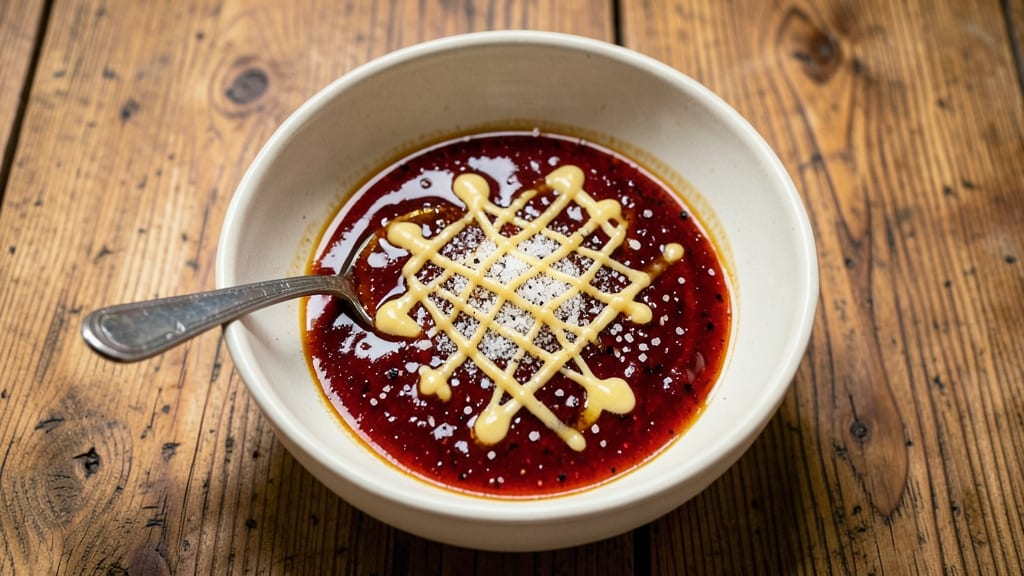
This balsamic Dijon salad dressing recipe delivers the perfect balance of tangy, sweet, and umami richness in every velvety swirl. 💛 The secret lies in emulsifying balsamic vinegar with Dijon mustard and olive oil, creating a dressing that clings beautifully to greens while adding depth to any dish.
I've perfected this over years of testing—no clumping, no separating, just smooth, restaurant-quality flavor that transforms simple salads into gourmet meals.
The magic happens with a simple technique: whisk the vinegar and mustard together first, then gradually add the oil while continuously stirring. This ensures a stable emulsion that won't break, even when stored. The dressing works equally well on mixed greens, roasted vegetables, or as a marinade for grilled meats.
With just five ingredients and five minutes of prep, you'll have a versatile sauce that elevates everything it touches.
What sets this dressing apart is its bold flavor balance—the sharpness of Dijon mustard cuts through the sweetness of balsamic, while the olive oil adds richness. The result is a sauce that's tangy, slightly sweet, and deeply savory, with a smooth texture that coats every bite.
It keeps for up to two weeks in the fridge, making it a pantry staple for quick meals.
Use it as a finishing drizzle, a marinade, or a base for vinaigrettes—this dressing is the ultimate shortcut for adding restaurant-quality flavor to any dish. Let's make it!
Ingredients for balsamic dijon salad dressing
Five ingredients, one perfect emulsion that transforms salads into gourmet creations.
| Ingredient | Amount | Notes |
|---|---|---|
| Extra-Virgin Olive Oil 🫒 | ¾ cup | High-quality, fruity variety preferred |
| Balsamic Vinegar 🍷 | ½ cup | Aged 12+ months for depth |
| Dijon Mustard 🌶️ | 2 tbsp | Whole-grain preferred for texture |
| Granulated Sugar 🍚 | 1 ½ tbsp | Light brown sugar adds caramel notes |
| Kosher Salt 🧂 | ½ tsp | Diamond Crystal preferred |
| Freshly Ground Black Pepper 🌶️ | ¼ tsp | Freshly cracked for best flavor |
| Garlic Cloves 🧄 | 1 whole | Optional, minced for extra depth |
The olive oil is the foundation—look for extra-virgin with a fruity, peppery finish like California Olive Ranch or Colavita. Balsamic vinegar should be aged at least 12 months (the darker, the better)—Balzarini or Giusti are my go-tos, but any quality vinegar works. Dijon mustard matters too: whole-grain varieties add subtle texture, while smooth Dijon keeps it silky. For the sugar, light brown sugar adds caramel undertones that elevate the dressing's complexity. Skip the garlic if you're sensitive to its flavor, but it's worth the extra 30 seconds to mince for that restaurant-quality depth.
No Dijon mustard? Whole-grain mustard thinned with water works in a pinch, or sub with 1 tbsp yellow mustard plus 1 tsp honey. Running out of balsamic? Red wine vinegar plus 1 tsp maple syrup mimics the tangy-sweet balance. The sugar can be swapped for honey or agave, though it changes the texture slightly. For a nutty twist, add 1 tsp toasted walnuts or almond butter to the finished dressing. Always taste as you go—adjust salt or sweetness to your preference, but remember the mustard and vinegar are the flavor anchors.
This dressing emulsifies beautifully and keeps for up to 2 weeks in an airtight jar in the fridge. For extra stability, add 1/2 tsp xanthan gum when whisking. Store with a layer of olive oil on top to preserve freshness. Double the batch—it disappears faster than you'd think. Use within 3 months if frozen in ice cube trays for single-serving convenience. The emulsion may thicken slightly when chilled, so whisk before using.
Why You'll Love This Recipe
- Five-Ingredient Magic: I swear by this—just olive oil, balsamic, Dijon, a pinch of sugar, and salt. That’s it. No measuring cups, no fancy tools, just a jar and a whisk. Honestly, it’s the kind of recipe that makes me feel like a chef without the stress.
- Tangy-Sweet Balance: The balsamic vinegar gives it that deep, caramelized richness, while the Dijon mustard cuts through with a sharp, creamy kick. That little pinch of sugar? It’s what makes it ridiculously good—sweet enough to satisfy, but never cloying.
- Salad Sidekick: This dressing works on everything—crunchy greens, grilled chicken, even as a marinade for steak. I keep a jar in my fridge at all times because it’s my go-to for quick lunches, potlucks, or when I’m too tired to think.
- No-Waste Pantry Hero: Between us, this recipe uses stuff you already have. No specialty ingredients, no last-minute grocery runs. And if you make extra? It keeps for weeks—perfect for when you’re prepping meals or just don’t want to shop again.
Step-by-step instructions for balsamic Dijon salad dressing
A perfectly balanced dressing comes down to technique and patience—this method delivers silky texture and bold flavor every time.
🍳 Step 1: Whisk Olive Oil and Vinegar Together
In a medium bowl, combine the 0.75 cup extra-virgin olive oil and 0.5 cup balsamic vinegar. Use a whisk to blend them vigorously for 30 seconds—this emulsifies the oil and vinegar right from the start, preventing separation later. The mixture should look cloudy at first, which is normal as the oil begins to break down.
I like to work in a bowl that's slightly larger than needed—this gives the whisk room to move without splashing. If you're using a fruity olive oil, you'll notice a pleasant aroma developing as you whisk. This step is crucial because the oil and vinegar are the foundation of your dressing, and proper emulsification ensures a smooth, velvety finish.
👨🍳 Step 2: Add Sugar, Salt, and Pepper
Next, stir in the 1.5 tbsp granulated sugar, 0.5 tsp kosher salt, and 0.25 tsp freshly ground black pepper using a wooden spoon. The sugar will begin to dissolve immediately, creating a slightly syrupy consistency. The salt and pepper should disperse evenly throughout the mixture—this is where the flavor balance starts to take shape.
Here's the thing—don't rush this step. Let the sugar fully dissolve before moving on. If you see any undissolved grains, whisk gently for another 10 seconds. The sugar isn't just for sweetness; it helps stabilize the emulsion by increasing the viscosity of the dressing. This prevents the oil and vinegar from separating later.
🍳 Step 3: Incorporate Dijon Mustard and Garlic
Add the 2 tbsp Dijon mustard and minced 1 whole garlic clove (if using) to the bowl. Use the wooden spoon to stir vigorously for 1 minute until everything is completely combined. The mustard will thicken the dressing slightly, giving it body and that signature tangy depth. You'll see the mixture transform from cloudy to a smooth, creamy consistency.
If you're using garlic, this is where its flavor really shines. The mustard acts as an emulsifier, helping to bind the oil and vinegar together. Stir until the mixture looks uniform and thickens noticeably. This step is critical—if you skip it, your dressing might separate later. Trust the process; the mustard does the heavy lifting here.
⏰ Step 4: Let the Dressing Rest and Emulsify
Cover the bowl with plastic wrap and let the dressing rest at room temperature for at least 30 minutes. This resting period allows the flavors to meld and the emulsion to fully stabilize. I often find that the dressing thickens even more during this time, which is a good sign—it means the ingredients are working together.
Don't skip this step, even if you're eager to use the dressing. The longer it rests, the better the flavors develop. If you're short on time, you can refrigerate it for 1 hour to speed up the process, but room temperature is ideal. The texture should be thick but still pourable—like a luxurious vinaigrette.
🥗 Step 5: Adjust Consistency and Use
Before using, give the dressing a final stir. If it's too thick, thin it with 1-2 teaspoons of water or a splash of the balsamic vinegar until it reaches your desired consistency. If it's too thin, let it sit uncovered for 5-10 minutes to thicken slightly. The dressing should coat the back of a spoon but still flow easily when drizzled.
Now you're ready to use it! This dressing pairs beautifully with mixed greens, roasted vegetables, or even as a marinade for grilled meats. The balance of sweet, tangy, and savory flavors makes it incredibly versatile. Store any leftovers in an airtight container in the refrigerator for up to 1 week, giving it a gentle shake before each use.
Pro Tips For Making Balsamic Dijon Salad Dressing
- Whisk in Stages: Start with just the mustard and sugar in your bowl—this keeps the mixture from splattering everywhere when you add the vinegar. I learned this the hard way after a balsamic vinegar shower during my first attempt.
- Use Aged Balsamic: Skip the cheap stuff—aged balsamic vinegar (12+ years) adds depth that regular vinegar can’t match. If you’re pinching pennies, at least go for a decent-quality balsamic glaze instead of the syrupy store brand.
- Emulsify Slowly: Add the olive oil in a thin stream while whisking constantly—rushing it leads to a broken dressing. I used to dump it all in at once, and half the time it would separate like oil and water in a science experiment.
- Salt the Mustard: Taste the Dijon mustard before mixing—it’s often salted, and adding extra kosher salt later can make your dressing taste flat. A quick pinch in the bowl first saves you from guessing later.
Health benefits of balsamic dijon salad dressing
Heart Health Boost
This dressing packs a flavor punch while supporting cardiovascular wellness thanks to its extra-virgin olive oil—a key ingredient linked to reduced LDL cholesterol and improved heart health.
Just 0.75 cup provides 14 grams of heart-healthy monounsaturated fats, which help lower inflammation markers. The Dijon mustard adds capsaicin, a compound shown to promote circulation. 💪
Antioxidant Powerhouse
The aged balsamic vinegar contributes polyphenols, powerful antioxidants that combat oxidative stress in your body. A 0.5 cup serving delivers comparable antioxidant benefits to red wine, though without the alcohol.
The black pepper contains piperine, which enhances nutrient absorption from other ingredients. This makes your dressing more than just flavor—it's a functional food!
Digestive Aid
Dijon mustard contains sinigrin, a compound that stimulates digestion and may help relieve bloating. The fiber content from whole-grain mustard (if using) adds gentle digestive support, while the garlic contains allicin, which promotes gut health.
Together, these ingredients create a dressing that's as good for you as it is delicious. The vinegar also helps balance stomach acidity, making it particularly beneficial after rich meals.
Blood Sugar Balance
While the dressing contains 1.5 tbsp sugar, the balsamic vinegar helps moderate blood sugar spikes by slowing carbohydrate absorption. Studies show vinegar consumption can improve insulin sensitivity by up to 34% after meals.
The olive oil further enhances this effect by promoting steady glucose metabolism. This makes the dressing surprisingly blood-sugar friendly despite its sweet notes.
Anti-Inflammatory Benefits
The combination of olive oil and Dijon mustard creates an anti-inflammatory powerhouse. Olive oil contains oleocanthal, a compound with pain-relieving properties similar to ibuprofen. The mustard's turmeric-like compounds (from whole-grain varieties) add to this effect.
Together, they help reduce chronic inflammation—something we all need more of in our modern diets. 🌿
Nutrition facts
Frequently asked questions
Why does my balsamic Dijon dressing separate?
Separation happens when oil and vinegar aren't properly emulsified. Always whisk vigorously for 30 seconds when combining oil and vinegar first, then stir in mustard thoroughly. For extra stability, add ½ tsp xanthan gum while whisking. Store with a thin oil layer on top to preserve the emulsion.
Can I make this dressing without Dijon mustard?
Yes! Substitute with 1 tbsp whole-grain mustard plus 1 tsp water or 1 tbsp yellow mustard plus 1 tsp honey. The mustard is key for emulsification, so ensure your substitute can thicken slightly. Red wine vinegar with 1 tsp maple syrup works too if you're out of balsamic.
How long can I store this dressing?
Keep it in an airtight jar in the fridge for up to 2 weeks. The emulsion may thicken slightly when chilled—just whisk before using. For longer storage, freeze in ice cube trays (up to 3 months
What's the best way to use this dressing beyond salads?
This versatile sauce works as a marinade for grilled chicken or fish, a drizzle for roasted vegetables, or a dip for crusty bread. Try it on avocado toast, as a finishing touch for pasta, or mixed into hummus for extra depth. The balsamic-Dijon combo adds richness to any dish that needs a flavor boost.
Can I make this dressing spicier?
Add ½ tsp cayenne pepper or 1 tsp hot sauce while whisking. For a smoky kick, stir in ¼ tsp smoked paprika. The mustard already provides heat, so adjust gradually to avoid overpowering the sweet-tangy balance. Always taste as you go!