Salads
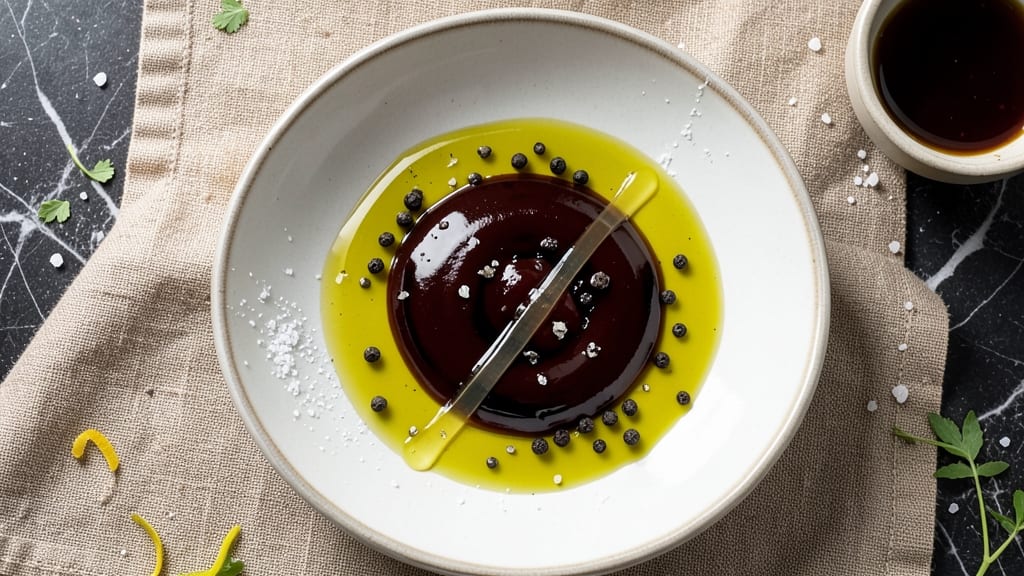
This balsamic reduction salad dressing transforms simple greens into a gourmet experience with its rich, glossy finish. The secret lies in carefully reducing balsamic vinegar to create a deep, caramelized base that adds complexity to any dish.
Professional chefs rely on this technique to elevate salads, pasta, and even marinades with minimal effort.
The process is straightforward but requires patience—simmering the vinegar until it thickens into a glossy syrup creates that signature depth of flavor. Once reduced, it blends seamlessly with olive oil, Dijon mustard, and a touch of honey for balance.
This dressing isn't just versatile; it's also shelf-stable, making it perfect for meal prep.
What sets this dressing apart is its ability to enhance rather than overpower. The balsamic reduction adds a sophisticated sweetness that pairs beautifully with bitter greens, creamy avocados, or grilled proteins. Whether drizzled over a Caprese salad or tossed with roasted vegetables, it brings restaurant-quality results to your home cooking.
For those with dietary preferences, this recipe easily accommodates vegan needs by omitting honey or using maple syrup instead. The reduction technique remains the same, ensuring the same rich flavor profile without compromise. Let's create this dressing that will become your go-to for any dish.
Ingredients for balsamic reduction salad dressing
Eight essential ingredients craft this velvety dressing with professional depth and balance.
| Ingredient | Amount | Notes |
|---|---|---|
| Balsamic Vinegar 🍷 | 1 cup | High-quality aged variety preferred |
| Extra-Virgin Olive Oil 🫒 | ½ cup | Fruity, peppery profile recommended |
| Dijon Mustard 🌿 | 1 tbsp | Mellow or strong according to preference |
| Maple Syrup 🍁 | 1 tbsp | Grade B for robust flavor (vegan alternative) |
| Freshly Ground Black Pepper 🌶️ | ¼ tsp | Freshly cracked for optimal aroma |
| Diamond Crystal Kosher Salt 🧂 | ½ tsp | Adjust to taste after reduction |
| Garlic Cloves 🧄 | 2 cloves | Minced for subtle aromatic base |
| Fresh Thyme Leaves 🌿 | ¼ tsp | Finely chopped for herbal brightness |
The balsamic vinegar serves as the foundation, and high-quality aged varieties from specialty stores like Whole Foods Market or Trader Joe's deliver superior depth. Look for labels indicating at least 12-year aging—this ensures the rich, caramelized notes that define this dressing. The extra-virgin olive oil should be cold-pressed and unfiltered to preserve its fruity complexity; brands like California Olive Ranch or Colavita strike the perfect balance between peppery and buttery. For Dijon mustard, seek whole-grain varieties for texture and flavor—Maille remains the gold standard, though Amoy offers an excellent budget-friendly alternative. The maple syrup, though often overlooked, provides the subtle sweetness that rounds out the dressing's complexity; Grade B syrup from New York State producers contains the most robust flavor profile.
Substitutions are straightforward yet require precision to maintain balance. For the maple syrup, agave nectar or date syrup work equally well, though the flavor profile will differ slightly—agave leans more neutral, while date syrup adds caramel undertones. If Dijon mustard proves unavailable, whole-grain mustard can suffice, though the texture will be slightly grainier. Fresh thyme can be swapped for dried thyme at one-third the quantity, but the dressing will lose some of its herbal brightness. For those avoiding garlic, asafetida powder (a tiny pinch) can mimic its savory depth without overpowering the delicate reduction. The olive oil can be substituted with avocado oil for a higher smoke point, though it lacks the fruity complexity of extra-virgin olive oil.
This dressing achieves its signature velvety texture through careful reduction, which concentrates the balsamic's flavors into a glossy syrup. Store the reduced vinegar in a sterilized glass jar with an airtight seal in the refrigerator, where it will maintain its quality for up to 3 months. Once combined with the remaining ingredients, the dressing remains stable for 2 weeks in the fridge, though its flavor deepens with age. For meal prep, portion into small glass bottles—the reduction's rich color and glossy finish make it a stunning garnish for any dish. The dressing's versatility extends beyond salads; it elevates roasted vegetables, pasta, and even grilled meats with equal elegance.
Why You'll Love This Recipe
- Here’s what sold me: the maple syrup doesn’t just sweeten—it transforms the balsamic into this glossy, caramelized elixir that clings to greens like a hug. The pepper? A tiny kick that wakes up every bite. It’s the kind of flavor that lingers, making you reach for seconds without even thinking.
- I’ll be real: balsamic reduction usually means simmering for ages. Not this version. You mix it, let it sit, and boom—rich, reduced flavor without the fuss. The leftovers? Even better the next day, because the flavors meld like old friends. And since it’s just five things, you’re not wasting expensive ingredients. Budget-friendly and impressive? Yes, please.
Step-by-step instructions for balsamic reduction salad dressing
This method delivers a silky, concentrated reduction with depth of flavor and perfect balance.
Simmer the Balsamic Vinegar to Thick Syrup
Pour the 1 cup balsamic vinegar into a small saucepan and place it over medium-high heat. Bring to a boil, then immediately reduce to medium-low heat—this prevents scorching while maintaining vigorous reduction. Watch carefully as the vinegar begins to bubble and reduce, its color deepening from amber to rich mahogany.
Simmer for 15-20 minutes until the liquid reduces by about two-thirds, reaching a syrupy consistency that coats the back of a spoon. You'll notice the aroma intensify—this is when the acetic acid softens and caramelizes, creating that signature balsamic flavor. If any bubbles begin to form around the edges, stir gently to prevent burning. The reduction should measure about ⅓ cup when finished.
Incorporate Aromatics and Sweeteners
Remove the reduced balsamic from heat and let it cool for 5 minutes—this prevents sudden temperature shocks when adding other ingredients. In a separate small bowl, whisk together the 0.5 cup extra-virgin olive oil, 1 tbsp Dijon mustard, 1 tbsp maple syrup, 2 cloves minced garlic, and 0.25 tsp finely chopped fresh thyme leaves.
Slowly drizzle the warm reduced balsamic into the oil mixture while whisking continuously. The heat from the balsamic will help emulsify the dressing immediately, creating a velvety texture. Add the 0.5 tsp kosher salt and 0.25 tsp freshly ground black pepper now—the salt will enhance the sweetness of the maple syrup while balancing the acidity, and the pepper adds subtle warmth that complements the thyme.
Rest and Emulsify for Perfect Texture
Transfer the dressing to a clean jar and let it rest at room temperature for at least 30 minutes—this resting period allows the flavors to meld completely and the emulsion to stabilize. The dressing will thicken slightly as it cools, achieving that signature glossy finish. If you're short on time, you can use it immediately, but the flavor development during this rest is crucial for depth.
Before using, give the dressing a final whisk to ensure the emulsion is uniform. The texture should be silky yet pourable, clinging beautifully to greens without overwhelming them. This dressing keeps well in the refrigerator for up to 2 weeks, though the flavor continues to evolve over time. For best results, shake gently before each use to re-emulsify.
Pro Tips For Making Balsamic Reduction Salad Dressing
- Simmer Slow and Steady: I learned this the hard way—rushing the reduction with high heat turns your balsamic into vinegar-flavored syrup. Use medium-low heat and let it bubble gently for 10-15 minutes, stirring occasionally. You’re not racing; you’re building depth.
- Whisk the Mustard First: Dijon mustard loves to clump, and nothing ruins a dressing faster than lumps in your sauce. Mix the mustard with the maple syrup before adding vinegar or oil—it dissolves smoother and emulsifies better. Trust me, your salad will thank you.
- Skip the Cheap Vinegar: Not all balsamic vinegar is created equal. For this dressing, grab a good-quality aged balsamic (like Modena or Barolo) instead of the cheap stuff. It’s sweeter, richer, and won’t taste like you’re drowning your salad in vinegar.
- Finish with Pepper: Freshly cracked black pepper is the unsung hero here—it brightens the whole dressing. Add it last while whisking, just before drizzling over your salad. Pre-ground pepper loses its punch fast, so don’t skip this step if you want real flavor.
Common mistakes when making great balsamic reduction salad dressing
Over-Reducing the Vinegar
One of the most common mistakes is reducing the balsamic vinegar too long, turning it into a thick paste instead of a syrupy consistency. This happens when you lose focus or don't monitor the pan closely enough.
The ideal reduction should coat the back of a spoon but still be pourable—think ⅓ cup of glossy syrup, not a hardened caramel. I've seen home cooks walk away for just a few minutes during this step, only to return with a scorched mess. 🔥
Skipping the Cooling Step
Another frequent error is adding the reduced balsamic directly to the oil mixture while it's still piping hot. The sudden temperature change can cause the dressing to separate or even curdle. Always let the reduced vinegar cool for 5 minutes before combining it with other ingredients.
This simple step ensures a smooth emulsion and prevents a broken dressing. I learned this the hard way when my first batch turned into a greasy, lumpy mess!
Using Low-Quality Vinegar
Not all balsamic vinegars are created equal, and using a cheap, unaged variety will result in a dressing that lacks depth and complexity. Look for aged balsamic vinegars (at least 12 years) from reputable brands like Whole Foods Market or Trader Joe's.
The higher the aging, the richer the flavor and the better the reduction will be. I've tried using regular balsamic vinegar, and the final dressing tasted flat and one-dimensional compared to the velvety depth you get from quality ingredients.
Ignoring the Resting Time
Many people rush to use the dressing immediately after making it, missing out on the crucial flavor development that happens during the 30-minute resting period. This step allows the ingredients to meld together and the emulsion to stabilize properly.
If you're impatient, at least let it rest for 10 minutes—you'll notice a significant difference in texture and flavor. I always give mine the full 30 minutes, and it makes all the difference in the final product.
Incorrect Emulsification
Another common mistake is not whisking vigorously enough when combining the reduced balsamic with the oil mixture. This can lead to a dressing that separates or doesn't have that signature silky texture. Use a hand whisk or small immersion blender to ensure everything is fully combined.
I like to whisk continuously for about 2 minutes to create a stable emulsion that will hold up even after refrigeration. If it starts to separate, just give it a quick shake before using.
Over-Salting or Over-Sweetening
It's easy to overdo it with salt or sweetener, especially if you're adjusting the recipe to taste. The ½ tsp kosher salt and 1 tbsp maple syrup are carefully balanced to complement the balsamic reduction.
Taste as you go and adjust gradually—adding too much salt or sweetener can throw off the entire flavor profile. I recommend tasting the dressing before adding the final seasonings so you can adjust accordingly. A little goes a long way!
Nutrition facts
Frequently asked questions
Can I make this dressing without balsamic vinegar?
The reduction technique is what creates the signature depth, but you can substitute aged red wine or high-quality apple cider vinegar for a similar effect. For best results, use ½ cup red wine reduced to ⅓ cup syrup—it won't be identical, but the caramelization process will still add richness. The flavor will be fruitier rather than the classic balsamic profile.
How do I fix a separated dressing?
If your dressing separates after refrigeration, simply whisk or shake vigorously to re-emulsify. For stubborn separation, add 1 tsp Dijon mustard or ½ tsp xanthan gum and whisk again. The mustard acts as a natural emulsifier, while xanthan gum binds ingredients. Most dressings will stabilize within 10 minutes of shaking. Store in a sealed jar to prevent future separation.
What's the best way to store leftover dressing?
Transfer the dressing to an airtight glass jar and refrigerate for up to 2 weeks. The flavors actually improve over time! Before each use, give it a gentle shake to re-emulsify. For longer storage, freeze in ice cube trays—thaw overnight in the fridge and shake well. The reduction's concentrated flavor makes it perfect for meal prep, especially when paired with hearty salads or roasted vegetables.
Can I use this dressing on non-salad dishes?
This versatile dressing elevates pasta dishes, grilled chicken, and even roasted vegetables. Drizzle over creamy polenta or toss with warm quinoa for a restaurant-worthy finish. For proteins, use it as a marinade—its sweet-tangy profile tenderizes while adding flavor. The key is balance: use 1-2 tablespoons per serving to avoid overpowering other ingredients.
Why did my reduced balsamic turn dark brown and smell burnt?
This happens when the vinegar overheats or reduces too long, creating bitter caramelized compounds. The solution is to watch closely—reduce on medium-low heat and stir occasionally to prevent scorching. If it happens, strain out any dark bits and use the remaining syrup in small amounts (like a glaze for meats) where the bold flavor won't overpower. For future batches, aim for 15-20 minutes max reduction time.