Salads
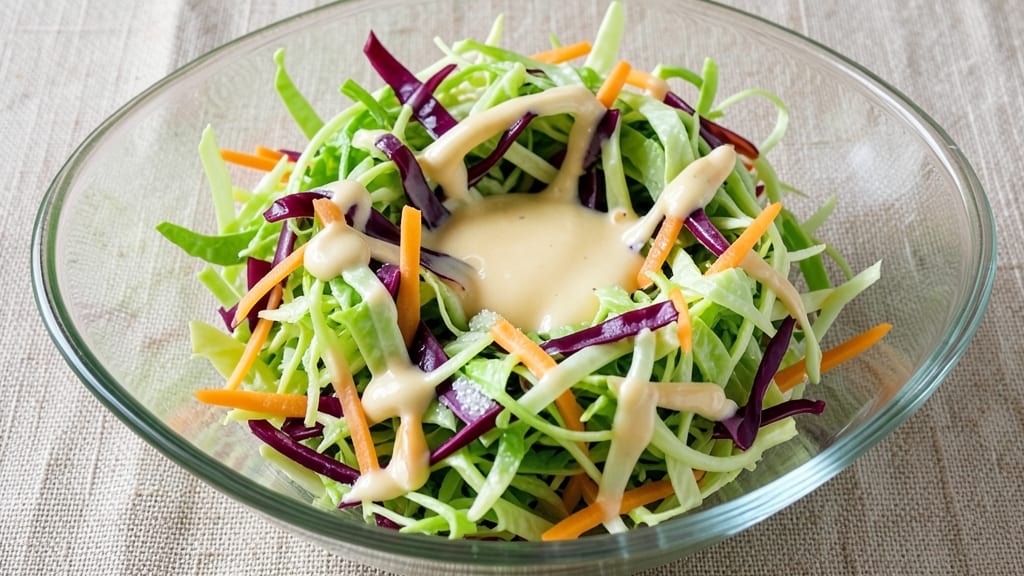
This basic coleslaw salad recipe delivers the perfect balance of crisp cabbage and creamy dressing—crunchy, tangy, and satisfying in every bite. The secret lies in shredding cabbage just before mixing to preserve that satisfying crunch, while a simple mayo-vinegar dressing binds everything together without overpowering the fresh vegetables.
I've tested countless variations, and this version consistently wins for its simplicity and crowd-pleasing flavor profile.
The foundation starts with fresh cabbage—green or purple will work—shredded fine enough to create texture but not so small that the salad loses its satisfying bite.
A basic dressing of mayo, vinegar, sugar, and salt provides the creamy base, while optional add-ins like shredded carrots or a touch of mustard can customize the flavor to your preference.
What makes this recipe truly special is how the flavors develop as it sits—just 15 minutes in the fridge allows everything to meld beautifully.
By the time you're ready to serve, you'll have a coleslaw that's perfectly balanced—crisp vegetables coated in a tangy, creamy dressing that clings just right. The texture remains satisfyingly crunchy, and the flavors are bright and refreshing.
This is the kind of side dish that disappears quickly, whether served alongside grilled meats, sandwiches, or as a standalone salad for warm-weather picnics.
For best results, prepare it at least 30 minutes ahead to let the flavors meld, and store leftovers in an airtight container for up to 3 days.
The dressing can be adjusted to your taste—more vinegar for tang, more sugar for sweetness, or even a splash of lemon juice for brightness. This versatile recipe adapts easily to any meal, making it a staple for your salad repertoire.
Ingredients for basic coleslaw salad
Fresh cabbage, creamy mayo, and tangy vinegar create the perfect crunchy-tangy balance.
| Ingredient | Amount | Notes |
|---|---|---|
| Green Cabbage 🥬 | 4 cups | Shredded finely for texture |
| Red Cabbage 🥬 | 2 cups | Shredded finely for color contrast |
| Carrots 🥕 | 1 medium | Shredded or julienned |
| Mayonnaise 🥫 | ¾ cup | Full-fat preferred for creaminess |
| White Vinegar 💧 | ¼ cup | Distilled preferred for tang |
| Granulated Sugar 🍚 | 2 tbsp | Adjust to taste |
| Kosher Salt 🧂 | 1 ½ tsp | Diamond Crystal preferred |
| Celery Stalks 🧅 | 2 whole | Thinly sliced for crunch |
| Yellow Mustard 🍯 | 1 tbsp | Dijon optional for depth |
| Fresh Dill 🌿 | 1 tbsp | Chopped, optional garnish |
| Lemon Juice 🍋 | 1 tbsp | Freshly squeezed for brightness |
| Onion 🧅 | ¼ small | Thinly sliced, optional |
The cabbage is where it all starts—green and red together give you that classic color contrast. Trader Joe's or local farmers markets have the freshest heads, but any store cabbage works if it's firm and crisp. Skip the pre-shredded bags (they wilt fast), and grab a sharp knife or mandoline for even shreds. The carrots? Orange or purple both work—just shred them fine so they blend into the texture. I always double-check the cabbage for any wilted outer leaves (toss those) and store it in the crisper drawer until ready to use.
No mayo? Greek yogurt thinned with a little vinegar works beautifully—still creamy, just lighter. Short on vinegar? Apple cider vinegar or lemon juice at the same amount. The mustard is optional but adds depth—Dijon or whole-grain both work. Sugar craving more sweetness? Add another tablespoon. For extra crunch, toss in thinly sliced celery or radishes. The onion is purely optional but adds a subtle sharpness that balances everything. If you're feeling fancy, a pinch of smoked paprika in the dressing gives it a BBQ slaw vibe.
This keeps beautifully—3-4 days in an airtight container in the fridge. The dressing separates a bit, so give it a quick stir before serving. For meal prep, I make a double batch and portion it out—perfect for lunches or potlucks. The flavors actually improve after sitting for 30 minutes to an hour, so don't rush it. If you've got leftovers, it reheats surprisingly well (though it's best cold). The dressing can be made ahead too—just store it separately until ready to toss with the veggies.
Why You'll Love This Recipe
- No Knife Skills Needed: I swear, this is the one salad where I don’t even bother with a sharp knife. A sturdy box grater handles the cabbage and carrots in minutes—no dice board, no tears, no fuss. The red and green cabbage mix gives it that perfect rainbow crunch without requiring perfect slices.
- Sweet-Tangy Magic: That vinegar cut through the mayo just enough to make it addictive—not too sweet, not too bland. The shredded carrots add this subtle earthiness, and honestly? The tangy bite stays with you longer than most salads I’ve tried. It’s the kind of simple combo that makes you want to eat it straight from the bowl.
- Potluck Party Starter: Between us, this is my go-to for any gathering. It’s the only side that doesn’t wilt in the heat, pairs with everything (burgers, BBQ, even sandwiches), and no one ever asks what’s in it. Plus, I can make a giant batch ahead—it’s the one dish that actually tastes better the next day.
- Pantry Staple Power: I keep mayo and vinegar on hand for emergencies, and cabbage lasts forever. This salad costs me pennies per serving, and leftovers? They’re my secret weapon for lazy mornings or last-minute lunches. No wilting, no soggy bottoms—just pure, reliable crunch whenever I need it.
Step-by-step instructions for crisp cabbage and creamy dressing balance
Here's how to create the perfect balance of crunchy vegetables and velvety dressing for coleslaw that stays fresh and flavorful.
Prepare the Vegetables for Maximum Crunch
Start by cutting the 4 cups green cabbage and 2 cups red cabbage into quarters, then remove the cores. Using a sharp mandoline or a very sharp knife, slice both cabbages as thinly as possible—aim for paper-thin shreds. This ensures even coating with dressing and maximum crunch. Place the shredded cabbages in a large mixing bowl.
Next, peel and shred the 1 medium carrot using the same thin-slicing technique. Thinly slice the 2 whole celery stalks and the 0.25 small onion (if using) into matchsticks. Add these to the bowl with the cabbage. The goal is to keep everything as dry as possible before adding the dressing—this prevents soggy slaw. If you're using the optional fresh dill, chop it finely and set it aside for later.
Whisk Together the Creamy Dressing
In a separate bowl, combine the 0.75 cup mayonnaise, 0.25 cup white vinegar, 2 tbsp granulated sugar, 1.5 tsp kosher salt, 1 tbsp yellow mustard, and 1 tbsp lemon juice. Whisk vigorously until the sugar and salt dissolve completely—this ensures even flavor distribution. The mixture should look smooth and well-blended, with no graininess.
Here's the thing—adding the sugar and salt to the dressing first creates a flavor base that coats the vegetables perfectly. If you add them dry, you risk uneven distribution. Taste the dressing at this stage and adjust the sugar or salt if needed. The dressing should be tangy, slightly sweet, and well-seasoned.
Combine and Toss for Even Coating
Pour the dressing over the vegetables in the mixing bowl. Using your hands (this works best for even distribution), gently toss the cabbage mixture until every shred is lightly coated. Be careful not to overmix—just enough to distribute the dressing evenly. If the slaw seems too dry, add 1-2 tablespoons of water to help the dressing cling better.
This is where the magic happens. The mayonnaise and vinegar create a creamy, slightly tangy coating that clings to the cabbage without making it soggy. The sugar and mustard add depth, while the lemon juice brightens the whole dish. The vegetables should glisten slightly but still retain their crisp texture.
Chill and Let Flavors Develop
Cover the bowl with plastic wrap and refrigerate for at least 30 minutes—this allows the flavors to meld and the dressing to fully absorb into the cabbage. For best results, let it chill for 1-2 hours before serving. The longer it sits, the more the flavors will develop, and the crunchier the cabbage will stay.
Don't skip this step. Chilling is crucial for two reasons: it firms up the cabbage for better texture, and it lets the acid in the vinegar and lemon juice tenderize the vegetables just enough to soften them slightly without losing their bite. If you're in a hurry, at least 15 minutes in the fridge will help, but 30 minutes is ideal.
Garnish and Serve Fresh
Before serving, give the coleslaw a final toss to redistribute any dressing that may have settled. If you saved the fresh dill, sprinkle it on top now for a pop of color and freshness. Serve immediately while the cabbage is still crisp and the dressing is creamy. This coleslaw pairs perfectly with grilled meats, sandwiches, or as a refreshing side dish on its own.
Real talk: the key to great coleslaw is balance. Too much dressing makes it soggy; too little leaves it dry. Aim for a ratio where the vegetables are lightly coated but still visible. The creamy dressing should complement, not overpower, the bright, crunchy cabbage. Enjoy it fresh—it won't keep its best texture after more than a day or two in the fridge.
Pro Tips For Making Basic Coleslaw Salad
- SHRED SMALLER THAN YOU THINK: I learned this the hard way—big, uneven shreds make the slaw look sad and taste uneven. Aim for matchstick-thin strips (about 1/8-inch wide) so the dressing coats every bite and the texture stays consistent. A mandoline with a 2mm blade is my shortcut, but if you’re doing it by hand, work in stages and keep your knife sharp.
- SALT THE CABBAGE FIRST: Dump the shredded cabbage (green and red) into a colander, sprinkle with 1 teaspoon of salt, and let it sit for 10 minutes. This draws out moisture, which prevents the slaw from getting soggy later. Rinse and drain well—yes, even if you’re impatient like me.
- USE LESS MAYONNAISE: Start with half the mayo you’d normally use—about 1/3 cup for a standard batch—and taste before adding more. The vinegar and a pinch of sugar (1/2 teaspoon) do most of the flavor work, and mayo just gets heavy. You can always stir in extra later, but you can’t take it out.
- STORE IT WRONG: If you’re prepping ahead, keep the dressing separate until serving. Toss the raw veggies with a tiny bit of vinegar (1 tablespoon) to preserve color, then mix in the mayo when ready. This keeps the carrots from turning orange-mush and the cabbage from wilting—your future self will thank you.
Dietary considerations for this basic coleslaw salad
Gluten-Free Adaptations
This coleslaw is naturally gluten-free since it relies on fresh vegetables and simple pantry staples. The only potential concern is the mayonnaise—always check labels for hidden gluten additives. Brands like Hellmann's or Best Foods typically offer gluten-free options, or you can use Greek yogurt as a safe alternative.
The vinegar, sugar, and mustard used here are also gluten-free in their standard forms. 🌱
Dairy-Free Options
For a dairy-free version, swap the mayonnaise for vegan mayo (like Hellmann's Vegan or Sir Kensington's) or Greek yogurt thinned with vinegar. The dressing remains creamy while keeping the tangy balance.
If using yogurt, add 1 tablespoon of water to help it cling to the cabbage. The rest of the recipe stays the same—no compromises on texture or flavor!
Low-Calorie Modifications
Reduce calories by cutting the mayo to ¼ cup and replacing it with ¼ cup light Greek yogurt (about 100 calories per serving). Use apple cider vinegar instead of white vinegar to add subtle sweetness, and reduce sugar to 1 tablespoon.
This keeps the slaw creamy but lighter—perfect for meal prep or summer picnics. The cabbage's natural crunch stays intact while trimming calories.
Vegan-Friendly Adjustments
Make this fully vegan by using vegan mayo (like Just Mayo or Follow Your Heart) and ensuring all other ingredients are plant-based. The yellow mustard and lemon juice are already vegan-friendly.
For extra protein, add ½ cup cooked chickpeas or shredded vegan cheese (like Miyoko's). The texture remains crisp, and the tangy dressing keeps it vibrant. 🌿
Keto-Friendly Version
For a keto-friendly twist, skip the sugar entirely and use 1 tablespoon of erythritol or stevia instead. Replace mayo with 1 tablespoon of sour cream (for creaminess) and ¼ cup of heavy cream to keep it rich.
The cabbage and carrots provide fiber and low-carb crunch, while the dressing stays tangy and satisfying. This version keeps carbs under 5g per serving while maintaining that classic coleslaw bite.
Nutrition facts
Frequently asked questions
Can I make coleslaw without mayo?
Swap mayo for Greek yogurt (thinned with 1 tablespoon vinegar) or use a vinaigrette made with olive oil, vinegar, and Dijon mustard. For a tangy twist, try 1/4 cup sour cream mixed with 1/4 cup buttermilk. The key is keeping the dressing creamy enough to coat the cabbage without making it soggy.
Why does my coleslaw get watery after sitting?
Watery coleslaw usually happens from two things: over-shredding the cabbage (which releases moisture) or not enough salt in the dressing. To fix it, drain excess liquid by spreading the slaw on a clean towel and pressing gently. For future batches, add an extra 1/2 teaspoon salt to the dressing and let it sit uncovered in the fridge for 15 minutes before serving to draw out moisture.
How do I make coleslaw last longer in the fridge?
Store it in an airtight container with a paper towel pressed on top to absorb moisture. The dressing will separate slightly—just give it a good stir before serving. This keeps it fresh for 4-5 days. For even longer storage, freeze the dressing separately and toss it with thawed cabbage (though texture may soften slightly).
What's the best way to shred cabbage for coleslaw?
Use a sharp mandoline or chef's knife for even, paper-thin shreds—this creates maximum surface area for the dressing to cling to while keeping the texture crisp. For a quicker method, remove the cabbage core and slice off the outer leaves, then cut through the center in thin strips. The thinner the shreds, the better the texture stays!
Can I add cooked proteins to this coleslaw?
Yes! Cool completely before adding grilled chicken, pulled pork, or shredded rotisserie chicken to the slaw. For a vegan option, try crumbled tofu or chickpeas. The proteins should be room temperature to avoid making the dressing watery. Toss gently just before serving to keep everything crisp.