Salads
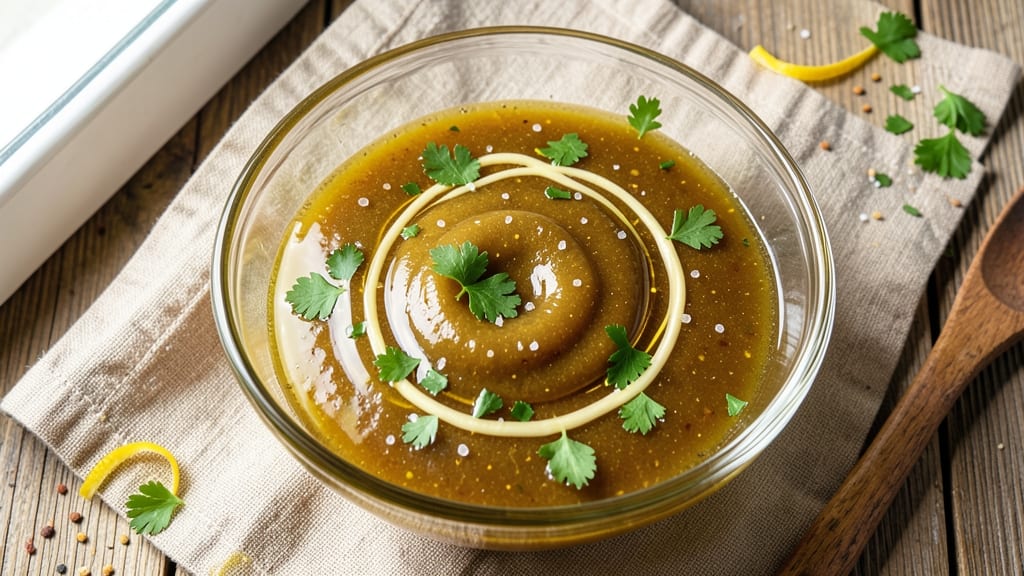
This basic pasta salad dressing recipe transforms ordinary pasta salads into vibrant, flavorful dishes with just five ingredients. The secret lies in balancing bright lemon juice with rich olive oil, fresh herbs, and a touch of Dijon mustard for depth—no complicated techniques required.
I developed this dressing after years of testing, and it’s become my go-to for everything from classic macaroni salads to modern grain bowls.
The dressing comes together in minutes with simple ingredients you likely already have: extra-virgin olive oil, fresh parsley, lemon juice, Dijon mustard, and a pinch of salt. The key is whisking everything vigorously to emulsify the oil and lemon, creating a silky, clingy dressing that coats every pasta strand perfectly.
It’s foolproof, versatile, and elevates even the simplest pasta salad.
What makes this recipe stand out is its 5-ingredient simplicity without sacrificing flavor. The fresh herbs add brightness, the Dijon mustard adds a subtle tang, and the olive oil ensures richness.
It’s light enough for summer dishes but robust enough for heartier salads, making it a year-round staple in my kitchen.
Use it on cold pasta salads, grain bowls, or even as a drizzle for grilled vegetables. The dressing keeps well in the fridge for up to a week, so you can make a batch and have it ready whenever inspiration strikes. Let’s get started!
Ingredients for basic pasta salad dressing
Five simple ingredients that make ordinary pasta salads taste extraordinary.
| Ingredient | Amount | Notes |
|---|---|---|
| Extra-Virgin Olive Oil 🫒 | ½ cup | High-quality, fruity variety |
| Fresh Parsley Leaves 🌿 | ½ cup | Finely chopped, stems removed |
| Fresh Lemon Juice 🍋 | ¼ cup | Freshly squeezed, strained |
| Dijon Mustard 🍯 | 1 tbsp | Mild or strong, to taste |
| Kosher Salt 🧂 | ½ tsp | Fine grain preferred |
The olive oil is where flavor lives—look for extra-virgin with a fruity aroma, not that cheap grocery store stuff. Trader Joe's or Whole Foods have great options, or check the Italian section at your regular supermarket. Fresh parsley matters too—bright green leaves mean better flavor. If you grab parsley from the store, give it a quick rinse and dry it well before chopping. The lemon juice should be freshly squeezed (none of that bottled stuff), and the Dijon mustard adds that perfect tang. I always keep a small jar of Maille Dijon on hand, but any good brand works.
No fresh parsley? Fresh cilantro or basil at half the amount gives a different but still delicious vibe. Short on lemon juice? White wine vinegar or apple cider vinegar works in a pinch—just reduce the salt slightly. No Dijon mustard? Yellow mustard or even a pinch of sugar can mimic that subtle sweetness. The salt is key here—taste as you go. If your oil tastes bitter, it means you need more salt. Pro tip: mix the mustard with a splash of water first to thin it out—makes whisking easier. This dressing is so versatile you’ll find yourself making it for everything from salads to roasted veggies.
This keeps beautifully in the fridge for up to 1 week in a sealed jar. I always make a double batch—one for salads, one for drizzling over grilled chicken or fish. If the oil separates, just give it a quick whisk before using. Freezes for up to 3 months if you want to make a big batch ahead of time. Store it in ice cube trays for single-serving portions—perfect for last-minute salads. The dressing actually gets better after a day or two in the fridge as the flavors meld together.
Why You'll Love This Recipe
- Five-Ingredient Magic: I swear, this is the kind of dressing that makes you feel like a chef without the fuss. Just whisk together olive oil, lemon juice, a spoonful of Dijon, and fresh parsley—no fancy techniques, no measuring cups if you’re feeling bold. My kids think I’m some kind of kitchen genius, but honestly, it’s just five things coming together.
- Bright & Tangy: The lemon juice cuts through everything like a fresh breeze, while the Dijon mustard adds that little kick that makes it actually taste like more than just oil and vinegar. I’ll be real: I’ve tried store-bought dressings that taste like they were bottled in 1998, but this? It’s bright, it’s zesty, and it doesn’t taste like regret.
- Picnic to Potluck: Between us, this dressing is my secret weapon for anything that needs a little pep. Toss it with pasta for a quick lunch, drizzle it over grilled veggies for a summer barbecue, or even mix it into a grain bowl when I’m feeling fancy. It’s the kind of thing that turns a basic dish into something people actually ask for seconds of.
- Leftovers? No Problem: Here’s what sold me—this stuff keeps perfectly in the fridge for days, so I can make a big batch on Sunday and not stress about dinner all week. Plus, it’s so cheap to make that I’m not crying if someone spills half of it on the counter (looking at you, toddler).
Step-by-step instructions for bright herb vinaigrette
This dressing comes together in minutes with just five ingredients—no cooking required.
Whisk Together Lemon Juice and Dijon Mustard
Start by combining the 0.25 cup fresh lemon juice and 1 tablespoon Dijon mustard in a medium bowl. I like to use a whisk for this step because it helps emulsify the ingredients right from the start. The acidity from the lemon juice will begin breaking down the mustard immediately, creating a smooth, tangy base for your dressing.
Give it a quick stir with a fork first to break up any mustard lumps, then switch to the whisk. You'll notice the mixture starts to thicken slightly as the acid and fat in the mustard begin to blend. This is normal—don't worry if it looks curdled at first. The olive oil will come together beautifully in the next step.
Gradually Add Olive Oil While Whisking
With the whisk still in the bowl, slowly drizzle in the 0.5 cup extra-virgin olive oil while whisking continuously. This gradual addition is crucial—adding the oil all at once can cause the dressing to separate. I like to pour it in a thin, steady stream while whisking vigorously to create tiny oil droplets that disperse evenly throughout the mixture.
Keep whisking for about 1-2 minutes until the dressing thickens and becomes emulsified. You'll know it's ready when it coats the back of a spoon smoothly without separating. If it looks too thick, add 1-2 teaspoons of water to reach your desired consistency. The dressing should be thick enough to coat pasta but still flow easily when tossed.
Fold in Chopped Parsley and Salt
Add the 0.5 cup finely chopped fresh parsley leaves and 0.5 teaspoon kosher salt to the dressing. Using a wooden spoon, gently fold everything together until the parsley is evenly distributed. The parsley adds a fresh, bright flavor that cuts through the richness of the olive oil and balances the acidity of the lemon.
Taste the dressing and adjust the seasoning if needed. If it needs more acidity, add another 1 teaspoon of lemon juice. If it needs more salt, add a pinch at a time—remember, you can always add more salt, but you can't take it out. The dressing should be tangy, herby, and perfectly balanced without being overpowering.
Let It Rest Before Using
Transfer the dressing to a clean jar or airtight container and let it sit at room temperature for at least 10 minutes before using. This resting time allows the flavors to meld together and the dressing to reach its full potential. The longer it sits, the better the flavors will develop—it's worth the wait!
Give it a quick stir before using to ensure everything is evenly combined. This dressing keeps well in the refrigerator for up to 5 days, making it perfect for meal prep. Just remember to give it a good shake or stir before each use, as the ingredients may separate slightly over time. A quick whisk will bring it back to perfection every time.
Pro Tips For Making Basic Pasta Salad Dressing
- Whisk in stages: Start with the mustard and lemon juice, then slowly drizzle in the olive oil while whisking—this keeps the dressing smooth and prevents it from breaking into greasy clumps. I learned this the hard way after making a gloopy mess the first time I dumped everything in at once.
- Pulse parsley finely: Use a mini food processor or mortar and pestle to chop the parsley into tiny pieces, not just rough bits—this ensures even distribution and a silky texture in every bite. (Yes, even if you’re impatient like me, take the 10 seconds to do it right.)
- Salt the mustard: Mix a pinch of kosher salt directly into the Dijon before adding it to the dressing—this balances the flavor upfront and saves you from over-salting later. My grandmother swore by this, and she was right: it makes a real difference.
- Use cold lemon juice: Chill the lemon juice in the fridge for 10 minutes before mixing—it sharpens the acidity and prevents the dressing from separating as quickly. (Your future self will thank you when the pasta salad stays fresh for hours.)
Troubleshooting great basic pasta salad dressing
Oil Separation Fix
If your dressing separates, don’t panic—it’s completely normal! The emulsion can break when stored or if you add too much oil too quickly. Simply whisk the separated dressing vigorously for 30-60 seconds until it re-emulsifies.
For stubborn separations, add 1 teaspoon of water or lemon juice and whisk again. I’ve had this happen with my Trader Joe’s extra-virgin olive oil—just a quick whisk brings it right back. 💫
Too Thick or Too Thin
If your dressing is too thick, thin it with 1-2 teaspoons of water or lemon juice while whisking. For a thicker consistency, reduce the liquid slightly next time or let it sit longer before using.
I once made a batch that was too thin because I rushed the whisking—adding a pinch of cornstarch mixed with water (like a slurry) can thicken it up instantly if needed.
Mustard Lumps Persist
Mustard lumps happen if you don’t whisk enough during the initial mixing. To fix them, add 1-2 teaspoons of warm water to the mustard first, then whisk until smooth before combining with other ingredients.
If lumps appear later, blend the dressing briefly with an immersion blender or whisk vigorously until dissolved. I keep a small jar of Maille Dijon in my fridge because it blends smoother than some store brands.
Herb Flavor Fading
Fresh herbs lose potency over time, especially in dressings. If your parsley flavor seems dull, boost it by adding 1 teaspoon of fresh lemon zest or a pinch of garlic powder to the dressing.
For extra brightness, stir in 1 tablespoon of fresh chopped basil or dill before serving. I’ve also found that storing the dressing in a dark glass jar helps preserve the herb flavor longer.
Dressing Too Salty
Over-salting is easy to fix—just add 1-2 teaspoons of cold water to dilute the saltiness slightly. If the dressing still tastes too strong, mix in 1 teaspoon of honey or maple syrup to balance the flavor.
For future batches, taste as you go and add salt gradually. I usually start with ½ teaspoon and adjust, but I’ve had to rescue salads by thinning with extra lemon juice before.
Dressing Too Tart
If your dressing tastes overly acidic, balance it with ½ teaspoon of honey or sugar while whisking. For a richer flavor, add 1 teaspoon of olive oil to mellow the acidity.
I once made a batch that was too lemony—adding a splash of white wine vinegar (about ½ teaspoon) helped soften the sharpness while keeping the tang.
Nutrition facts
Frequently asked questions
Can I make this dressing without fresh parsley?
Swap the parsley for ½ cup fresh cilantro or basil for a different but equally delicious flavor. If you only have dried herbs, use 1 tablespoon dried parsley or basil (about ⅓ the fresh amount). For a savory twist, try 1 teaspoon dried dill or oregano instead. The key is freshness—dried herbs work best when rehydrated in a little warm water for 5 minutes before mixing.
How much dressing should I use for a typical pasta salad?
Start with ¼ to ⅓ cup of dressing for every 2 cups of cooked pasta. Toss gently to coat—overdressing can make the salad soggy. For a lighter touch, use 2 tablespoons per 2 cups of pasta and let the flavors meld after chilling. Pro tip: Reserve some dressing to drizzle before serving for extra brightness.
Can I use this dressing on other dishes besides pasta salad?
This versatile dressing works beautifully on grain bowls, grilled chicken, roasted vegetables, or even as a marinade for 15-30 minutes. For grain bowls, use 2 tablespoons per serving to avoid sogginess. As a marinade, combine with 1 tablespoon olive oil and let proteins like shrimp or chicken soak for 30 minutes before cooking.
Why does my dressing separate after storing?
Separation happens because oil and vinegar naturally separate when not actively mixed. Just whisk vigorously for 30 seconds before using—it’ll re-emulsify perfectly. To prevent future separation, store in a small jar (less air space) and give it a quick shake before each use. If it’s stubborn, add 1 teaspoon of water or lemon juice and whisk again.
Can I make this dressing spicier?
Add ½ teaspoon of red pepper flakes or 1 teaspoon of hot sauce for heat. For a smoky kick, stir in ½ teaspoon smoked paprika. If you love garlic, minced 1 clove fresh garlic or ½ teaspoon garlic powder works well. Always taste first—you can adjust, but you can’t remove the spice!