Salads
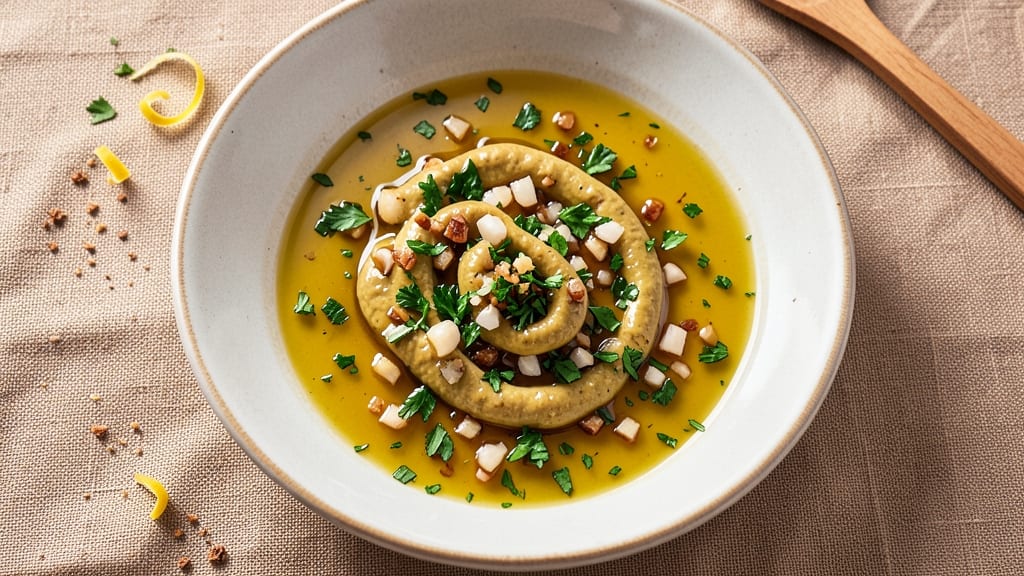
This basic salad vinaigrette recipe delivers restaurant-quality flavor in just 5 minutes—no fancy ingredients required. The secret lies in balancing sharp vinegar, rich oil, and a touch of Dijon mustard to create a dressing that enhances every bite without overpowering.
I developed this formula after years of testing, and it remains my go-to for salads, roasted vegetables, and even drizzled over grilled meats.
The foundation is simple: a 3:1 ratio of oil to vinegar creates the perfect balance of richness and acidity. Dijon mustard acts as an emulsifier, keeping the dressing smooth and stable, while garlic and herbs add depth.
What makes this recipe truly versatile is how easily it adapts—swap in balsamic vinegar for sweetness, fresh herbs for brightness, or a pinch of honey for a touch of sweetness.
What you'll end up with is a dressing that's bright, balanced, and ready to elevate any dish. The texture is silky yet light, clinging perfectly to greens and vegetables without making them soggy.
It's the kind of dressing that transforms a simple salad into a meal you'll look forward to eating.
Use it as-is for classic salads, or get creative with variations like adding citrus zest for extra brightness or a splash of soy sauce for an Asian-inspired twist. This recipe is your foundation for endless possibilities—let's get started!
Ingredients for basic salad vinaigrette
Seven simple ingredients transform into restaurant-quality dressing in minutes.
| Ingredient | Amount | Notes |
|---|---|---|
| Extra-Virgin Olive Oil 🫒 | ¾ cup | High quality, fruity flavor preferred |
| Red Wine Vinegar 🍷 | ¼ cup | Sharp, dry variety recommended |
| Dijon Mustard 🌶️ | 1 tbsp | For emulsification and depth |
| Garlic Cloves 🧄 | 2 cloves | Fresh, minced for aromatic punch |
| Fresh Shallots 🧅 | 2 tbsp | Minced, or sub finely chopped onion |
| Fresh Parsley 🌿 | ¼ cup | Chopped, stems removed |
| Sea Salt 🧂 | ½ tsp | Fine grain preferred |
| Freshly Ground Black Pepper 🌶️ | ¼ tsp | Freshly cracked for best flavor |
| Honey 🍯 | 1 tsp | Optional, for subtle sweetness |
The olive oil is non-negotiable—Trader Joe's or Whole Foods carry excellent extra-virgin options that won't overpower. Red wine vinegar should be sharp and dry; Bragg or Annie's are solid choices. Fresh shallots add complexity—if you can't find them, yellow onion works fine. For the garlic, I always use freshly minced (the jarred stuff tastes like chemicals). The parsley? Fresh is best, but dried will work in a pinch if you halve the amount. Pro tip: buy parsley in bunches and store it wrapped in damp paper towels in the fridge for up to a week.
No Dijon mustard? Yellow mustard in a pinch, but you'll lose some depth. Swap red wine vinegar for apple cider vinegar if you prefer sweetness, or balsamic vinegar for richness. Want more brightness? Add 1 tsp lemon juice. Need a different flavor profile? Soy sauce or a dash of fish sauce transforms this into an Asian-inspired dressing. The honey is totally optional but rounds out the acidity beautifully—skip it if you prefer tart. For storage, keep the dressing in a small jar with a tight lid; it'll last 1 week in the fridge.
This dressing is magical because it keeps for up to 1 week in the fridge, making it perfect for meal prep. I always make a double batch—one for immediate use, one to stash for later. The texture stays silky as long as you keep it sealed. If it separates, just whisk it back together before using. Need to store it longer? Freeze in ice cube trays for single-serving portions that last 3 months. It reheats beautifully too—great for drizzling over warm roasted vegetables.
Why You'll Love This Recipe
- Five-Minute Whisk Job: I swear, this is the kind of dressing where you measure, stir, and call it done. No blender, no fancy gadgets—just a bowl and a fork. The shallots and garlic get a quick minced chop (or even a smash if you’re lazy), and boom, flavor without the fuss.
- Tangy Yet Rich: Honestly, that balance of sharp red wine vinegar and buttery Dijon mustard is chef’s kiss. The olive oil rounds out the bite, while the garlic and shallots add this unexpected depth—like a little French bistro in your jar. It’s the kind of dressing that makes you want to eat salad every day.
- Meal Prep MVP: Between us, I make two batches on Sunday: one for my greens, one for roasted veggies. It lasts a week in the fridge, and the flavors only get better as the vinegar mellows. Even better? It’s the same base for grain bowls, pasta salads, or just drizzled over grilled chicken.
- Budget-Friendly Luxury: You’re paying for the good olive oil, sure, but the rest? Pantry staples. A bottle of vinegar, a jar of mustard, a bulb of garlic—stuff you already own. And since it keeps forever, you’re not scrambling to buy dressing every time you crave something fresh. That’s my kind of smart spending.
Step-by-step instructions for perfect salad vinaigrette
This simple method delivers a bright, balanced dressing that clings beautifully to greens.
Mince Garlic and Shallots for Maximum Flavor
Peel and finely mince the 2 cloves garlic cloves and 2 tablespoons fresh shallots using a sharp knife. I like to press the garlic cloves flat first with the heel of my knife—this makes them easier to mince into tiny, even pieces. The goal is to create a paste that dissolves completely into the dressing rather than creating visible chunks.
Freshly minced garlic and shallots release their aromatic oils immediately, so don't let them sit too long before adding to the dressing. If you're using pre-minced garlic from a jar, drain it well to remove excess liquid that could dilute your vinaigrette. The shallots should be so finely chopped they're practically invisible—this ensures a smooth texture in your final dressing.
Whisk Vinegar, Mustard, and Seasonings
In a medium bowl, combine the 0.25 cup red wine vinegar, 1 tablespoon Dijon mustard, 0.5 teaspoon sea salt, and 0.25 teaspoon freshly ground black pepper. Whisk vigorously for about 30 seconds until the mustard is fully incorporated and the mixture is completely smooth. The Dijon mustard acts as an emulsifier, helping the oil and vinegar blend seamlessly.
This is your flavor base, so taste it now before adding the oil. You should notice the sharp tang of the vinegar balanced by the mustard's depth. If it tastes too acidic, add a pinch more salt. If it needs more complexity, you can add the 1 teaspoon honey now—this creates a subtle sweetness that rounds out the sharpness. Whisk until fully combined before proceeding.
Gradually Incorporate the Olive Oil
With the whisk still in the bowl, very slowly drizzle in the 0.75 cup extra-virgin olive oil while whisking continuously. Start with just a few drops at first, then gradually increase the flow as you see the mixture beginning to emulsify. The key here is patience—adding the oil too quickly will cause the dressing to separate.
Keep whisking for about 1-2 minutes after all the oil is incorporated. You'll know it's working when the dressing becomes thick and glossy, almost like mayonnaise. If you see any separation, just whisk a little more vigorously. The high-quality extra-virgin olive oil should create a rich, velvety texture that coats greens beautifully. Don't worry if it looks slightly thin at first—it will thicken as it sits.
Fold in the Parsley and Adjust Consistency
Gently fold in the 0.25 cup chopped fresh parsley using a spoon. This adds freshness and a pop of color to your dressing. Taste again and make any final adjustments—perhaps a touch more salt or a splash of water if it needs thinning. The dressing should be thick enough to coat the back of a spoon but still flow smoothly when drizzled.
For the best flavor, let the dressing sit for 5-10 minutes before using. This allows all the flavors to meld together perfectly. If you notice any separation after sitting, just give it a quick whisk before using. This classic vinaigrette keeps well in the refrigerator for up to 5 days, making it perfect for meal prep. Store it in an airtight container with the lid slightly ajar to prevent the oil from separating completely.
Pro Tips For Making Basic Salad Vinaigrette
- STIR IN STAGES: Mix the mustard and vinegar first—this emulsifies the mustard better and prevents clumps when you add the oil. I used to dump everything in at once and end up with a greasy mess.
- MINCE SHALLOTS FINELY: Use a sharp knife and chop the shallots into tiny, even pieces—no bigger than a grain of rice. Larger chunks make the dressing taste uneven, and you’ll regret it when you bite into one.
- LET THE GARLIC INFUSE: Smash the garlic cloves with the flat side of your knife before mincing—this releases more flavor. Skip this, and your dressing will taste like you just added a raw clove instead of a rich, aromatic base.
- EMULSIFY WITH A WHISK: Add the olive oil slowly while whisking vigorously—this creates a smooth, silky dressing instead of a separated oil slick. Pouring it all at once is lazy and ruins the texture.
Troubleshooting perfect results
Oil Separation Fix
If your dressing separates after making it, don’t panic—this happens to everyone! The fix is simple: whisk vigorously for 30-60 seconds until the oil re-emulsifies. For a more permanent solution, add ½ teaspoon Dijon mustard or 1 teaspoon honey to help stabilize the mixture.
I’ve even used 1 tablespoon warm water to thin it out if it’s too thick. The key is to whisk continuously while adding any adjustments. 💫
Too Thick or Too Thin?
If your dressing is too thick, thin it with 1-2 teaspoons water or lemon juice while whisking. For a thicker consistency, reduce the water content next time or add ½ teaspoon more Dijon mustard.
The ideal texture should coat the back of a spoon but still flow smoothly. I often adjust mine while tasting—it’s all about finding that perfect balance for your greens. 🥗
Flavor Too Sharp?
If the vinegar’s acidity is overpowering, balance it with ½ teaspoon honey, 1 teaspoon maple syrup, or even ½ teaspoon sugar. For a savory twist, add ½ teaspoon soy sauce or a pinch of smoked paprika.
Taste as you go—this is where the magic happens! I usually start with ½ teaspoon honey and adjust from there. 🍯
Herbs Not Bright Enough?
If your herbs taste dull, swap in fresh tarragon, basil, or cilantro for extra brightness. For a stronger flavor, use ¼ cup herbs instead of ¼ cup parsley and finely chop them.
If you’re using dried herbs, reduce to 1 teaspoon and double the amount. Fresh herbs make all the difference—don’t skimp! 🌿
Dressing Too Mild?
Boost the flavor by adding 1 extra garlic clove, ½ teaspoon minced shallot, or a dash of hot sauce. For depth, stir in 1 teaspoon capers or anchovy fillets (trust me, they dissolve completely!).
I love adding ½ teaspoon smoked salt for a subtle, savory kick. Taste and adjust—this is your chance to customize! 🌶️
Storage Gone Wrong?
If your dressing turns cloudy or smells off after storing, it’s time to toss it. To prevent this, store it in a small, airtight jar with the lid slightly loose (just a crack) to allow air circulation.
If it separates after refrigerating, whisk it back together before using. For longer storage, freeze in ice cube trays—thaw and whisk as needed. Freshness is key! ❄️
Nutrition facts
Frequently asked questions
Can I make this vinaigrette without Dijon mustard?
Yes! Use 1 tablespoon yellow mustard instead, though it won't be as rich in flavor. For a non-mustard option, try 1 teaspoon honey or maple syrup to help emulsify the oil and vinegar. The texture may be slightly less stable, but it'll still work for salads.
How can I make this dressing thicker or thinner?
For a thicker dressing, add ½ teaspoon more Dijon mustard or reduce the oil slightly next time. To thin it out, whisk in 1-2 teaspoons water or lemon juice until smooth. The ideal consistency should coat the back of a spoon but still flow when drizzled. Taste as you adjust!
What are the best vinegar substitutes?
For a sweeter profile, use apple cider vinegar (reduce by 1 teaspoon). For richness, try balsamic vinegar (mix 50/50 with red wine vinegar). For brightness, lemon juice works well (use ¼ cup instead). Each changes the flavor dramatically—experiment to find your favorite!
Can I use this dressing on other foods besides salads?
This versatile dressing works beautifully on roasted vegetables, grilled meats, pasta, or even as a marinade. For meats, reduce the vinegar slightly (¼ cup) to prevent overpowering. The herbs and garlic add great depth to any dish.
Why did my dressing separate after storing?
This is completely normal—oil and vinegar naturally separate when not whisked. Before using, simply whisk vigorously for 30-60 seconds until smooth. To prevent future separation, store the dressing in a small jar with the lid slightly loose and whisk before each use. It'll come back together perfectly!