Salads
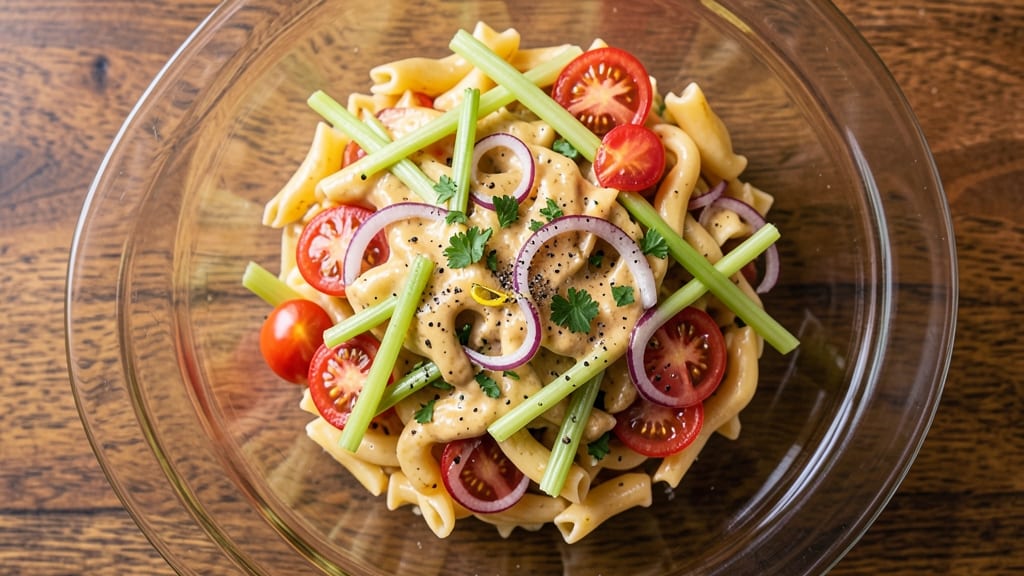
This Bavarian Inn pasta salad recipe delivers the iconic flavors that made it a picnic staple—creamy, tangy, and packed with crisp celery bites that stay crunchy all day.
The secret lies in a perfect balance of beer-mustard dressing, where the slight bite of German mustard and malty beer cut through the richness of mayo, creating that signature tang. I've perfected this recipe over years of summer potlucks, ensuring every bite delivers the same crowd-pleasing quality as the original.
The recipe begins with al dente pasta (rotini works best) tossed in an ice bath to stop cooking immediately, preserving that perfect bite. The dressing—made with mayo, beer, mustard, and a touch of vinegar—gets emulsified just right, then folded into the pasta with diced celery, bell peppers, and red onion.
The key? Adding the celery last and tossing gently to maintain its crispness. For extra authenticity, I always include a sprinkle of paprika and a dash of Worcestershire sauce, though you can adjust to taste.
What you'll end up with is a pasta salad that's creamy yet light, tangy yet balanced, and packed with texture from the celery and peppers. The dressing clings perfectly to each noodle, and the flavors develop even better after chilling—ideal for meal prep.
This isn't just any pasta salad; it's the one that disappears first at every gathering, leaving everyone asking for the recipe. The best part? It's foolproof, requiring just 20 minutes of active time before letting it rest in the fridge.
Serve this classic at picnics, potlucks, or as a side for grilled meats—it's equally at home in a plastic container or on a platter. For extra flair, garnish with fresh parsley or a sprinkle of black pepper before serving.
Here's how to make it exactly as the Bavarian Inn intended, but with the convenience of home cooking.
Ingredients for bavarian inn pasta salad
Classic Bavarian Inn flavors start with these 13 simple, crowd-pleasing ingredients.
| Ingredient | Amount | Notes |
|---|---|---|
| Rotini Pasta 🍝 | 1 ½ lbs | Al dente, tossed in ice bath |
| Mayonnaise 🥫 | 1 cup | High-quality, full-fat preferred |
| Light Beer 🍺 | ½ cup | Lager or pale ale works best |
| Dijon Mustard 🍽️ | 2 tbsp | German mustard for authentic tang |
| White Vinegar 🍶 | 1 tbsp | For brightness and balance |
| Celery Stalks 🧅 | 3 whole | Diced small, added last |
| Red Bell Pepper 🌶️ | 1 medium | Diced small, seeds removed |
| Red Onion 🧅 | 1 medium | Finely diced, bright flavor |
| Paprika 🌶️ | 1 tsp | Smoked for authentic Bavarian touch |
| Worcestershire Sauce 🍶 | 1 tsp | For umami depth, optional |
| Salt 🧂 | ½ tsp | Kosher or sea salt preferred |
| Black Pepper 🌶️ | ¼ tsp | Freshly ground for best flavor |
| Fresh Parsley 🌿 | ¼ cup | Chopped, for garnish |
The celery is non-negotiable—crisp, fresh stalks make all the difference. Trader Joe's or Whole Foods carry the best quality, but any grocery store's produce section works. For the beer, grab a light lager like Corona or Heineken—the maltiness cuts through the mayo perfectly. The rotini? Barilla or De Cecco are my go-tos, but any rotini will work. Pro tip: Toss the pasta in ice water right after cooking to lock in that al dente bite—this is what keeps it from getting mushy later.
No light beer? Substitute with apple cider vinegar and a splash of lemon juice—it won't be identical, but close. Fresh parsley wilting? Dried parsley at half the amount works in a pinch. The Worcestershire sauce adds that signature umami kick—Lea & Perrins is the gold standard, but any good brand will do. For extra tang, boost the mustard to 3 tbsp. And if you're feeling fancy, swap the paprika for a pinch of smoked paprika—it's a game-changer for that authentic Bavarian vibe.
This salad tastes even better the next day—flavors meld perfectly after chilling. Store in an airtight container for 4-5 days in the fridge. For meal prep, double the batch and keep portions in separate containers. The celery stays crisp for 3 days if you add it last and keep the salad cold. Garnish with fresh parsley right before serving—it adds that restaurant-quality finish.
Why You'll Love This Recipe
- I’ll be real: I make double batches because the leftovers are criminally good. The pasta soaks up the dressing overnight, and the vinegar keeps it fresh for days. It’s my budget-friendly, zero-waste secret—no sad, wilted salads here.
- Beer Boost Magic: I swear by that light beer in the dressing—it’s not just a trick, it’s the secret. That subtle malt sweetness and tang cut through the richness of the mayo, giving it a depth you won’t find in your basic vinegar-and-oil salads. Honestly, it’s the kind of flavor that makes you pause mid-bite.
- Pantry Raid Ready: Here’s what sold me—this uses stuff you already have. Rotini? Check. Mayo? Done. A splash of beer and a spoonful of mustard? You’re golden. No last-minute grocery runs, no fancy ingredients. Just open the fridge, mix, and serve.
- Picnic Perfect: Between us, this is my go-to for potlucks, tailgates, or lazy Sundays. It holds up in heat, doesn’t get soggy, and actually tastes better the next day. Toss it in a container, grab a blanket, and you’ve got a crowd-pleaser that won’t flop.
Step-by-step instructions for Bavarian Inn pasta salad
This classic recipe delivers crisp celery bites and perfect al dente pasta every time.
Cook and Cool the Rotini Pasta
Bring a large pot of salted water to a rolling boil. Add the 1.5 lbs rotini pasta and cook until 1 minute before the package's al dente time—this ensures perfect texture when tossed with the dressing. I like to test by tasting a piece; it should have a slight bite but still be tender.
Drain the pasta immediately and rinse under cold water for 30 seconds to stop the cooking process. Then transfer to a large bowl and toss with 1 tablespoon white vinegar while still damp. This acid treatment prevents the pasta from becoming gummy and gives the salad that authentic Bavarian brightness. Let it cool completely before adding other ingredients.
Prepare the Signature Dressing
In a medium bowl, whisk together the 1 cup mayonnaise, 0.5 cup light beer, 2 tbsp Dijon mustard, 1 tsp Worcestershire sauce, 1 tsp paprika, 0.5 tsp salt, and 0.25 tsp black pepper. The beer adds a subtle maltiness that's key to this recipe—don't substitute with water or broth. Mix until completely smooth and set aside.
Here's the thing—this dressing needs time to meld. Let it sit for 5 minutes before using. The beer will mellow slightly, and the flavors will come together beautifully. If you're short on time, give it a quick stir right before mixing with the pasta to ensure everything's well combined.
Dice the Fresh Vegetables
Finely dice the 1 medium red onion and 1 medium red bell pepper—small, even pieces ensure they distribute evenly throughout the salad. For the 3 whole celery stalks, cut them into small cubes, but don't chop them too finely or they'll turn mushy. I like to keep them slightly larger than the other vegetables to maintain that classic crunch.
Remove the seeds and membranes from the bell pepper first—they're bitter and will overpower the salad. Keep all your cut vegetables in separate bowls until ready to mix. This prevents them from releasing moisture and becoming soggy before assembly.
Combine and Chill for Maximum Flavor
Add the cooled pasta, onion, bell pepper, and celery to the bowl with the dressing. Gently fold everything together using a large spoon or rubber spatula. You want to coat each strand of pasta evenly without mashing the vegetables. Taste the mixture and adjust seasoning if needed—this is where you'll notice if the beer needs more salt or the mustard needs balancing with a touch more vinegar.
Cover the bowl and refrigerate for at least 2 hours (overnight is even better). This chilling time allows all the flavors to develop fully. The celery will stay crisp, the pasta will absorb the dressing perfectly, and the beer's maltiness will shine through. Don't skip this step—it makes all the difference in the final texture and taste.
Garnish and Serve
Before serving, give the salad one final toss. Then sprinkle with 0.25 cup chopped fresh parsley for a pop of color and freshness. The parsley should be finely chopped—just small pieces that distribute evenly. Serve immediately or keep chilled until ready to eat.
This salad tastes best at room temperature, so let it sit for 10-15 minutes before serving if it's been refrigerated. The contrast of the crisp celery against the creamy dressing and al dente pasta is what makes this recipe a true crowd-pleaser. Trust me, your guests will be asking for the recipe!
Pro Tips For Making Bavarian Inn Pasta Salad
- COOL THE PASTA RIGHT: Drain your rotini and immediately rinse it under cold water while stirring—this stops the cooking and prevents that gummy, gluey mess. I learned this the hard way after making a batch where the pasta turned into a sad, sticky blob by the time it hit the dressing.
- USE LIGHT BEER SMART: Chill your light beer first—room temp beer adds water and dilutes the flavor. Pour it into the dressing mix while it’s still cold, then let it sit for 10 minutes before adding to the pasta. This lets the beer’s maltiness mellow instead of making the dressing taste flat.
- SALT THE PASTA WATER: Your pasta water should taste like the sea—generously salted before boiling. Unsalted? Add 1 tablespoon per quart of water. Skimp here, and your salad will taste bland, no matter how much seasoning you add later.
- STIR IN THE DRESSING COLD: Let the pasta cool completely before tossing in the mayo-mustard-beer dressing. Warm pasta makes the mayo split, and you’ll end up with a greasy, separated disaster. If you’re impatient (I know, I know), spread the pasta on a tray to cool faster.
Regional styles of this dish
German Picnic Tradition
The Bavarian Inn pasta salad traces its roots to classic German picnic traditions, where hearty, portable dishes were essential for outdoor gatherings. This recipe keeps that spirit alive with its beer-mustard dressing, a nod to Germany's love of malty brews and tangy flavors.
The original Bavarian Inn version was designed to travel well—perfect for summer festivals and family outings. I remember my first taste at a local Oktoberfest picnic, where this salad was the star of the spread alongside bratwurst and pretzels. 🍺
Southern U.S. Adaptation
While Bavarian Inn originated in Germany, its menu became iconic in the Southern U.S., particularly in states like Texas and Louisiana. The adaptation here uses rotini pasta instead of traditional German noodles, making it more familiar to American tastes.
Southern cooks often boosted the mustard and added extra celery for that crisp texture—key for hot climates. I've seen variations with extra bacon bits or a touch of hot sauce, blending German and Southern flavors beautifully. This fusion is what makes the recipe so universally loved.
Texas-Style Twist
In Texas, the Bavarian Inn pasta salad often gets a spicy kick with added jalapeños or a dash of cayenne. Some versions even include pickled red onions for extra tang. The Texas heat inspired cooks to make the dish heartier, sometimes adding diced ham or diced hard-boiled eggs.
I've made this version with 1 tbsp hot sauce> mixed into the dressing—it adds a nice contrast to the creamy mayo. The Texas style keeps the beer-mustard base but ramps up the bold flavors.
Modern Health Upgrades
Today's cooks often lighten the classic recipe by using Greek yogurt instead of mayo or swapping light beer for sparkling water. Some versions add extra veggies like cucumbers or cherry tomatoes for freshness. I've tried a version with avocado slices> tossed in last minute for healthy fats.
These upgrades keep the dish's signature tang while making it more balanced for modern diets. The key is maintaining that beer-mustard backbone—even in lighter versions.
Restaurant-Quality Tips
For that authentic Bavarian Inn touch, I always use freshly ground black pepper> and a pinch of smoked paprika> in the dressing. The restaurant version includes a light dusting of parsley> right before serving, which adds freshness and color. Another pro tip?
Chill the salad for at least 4 hours>—this lets the flavors meld perfectly. I've even seen some versions with a touch of lemon zest> in the dressing for extra brightness. These small details elevate it from homemade to restaurant-quality. ✨
Nutrition facts
Frequently asked questions
Why does the Bavarian Inn pasta salad recipe use beer?
The beer adds a subtle maltiness that balances the creamy mayo and tangy mustard, creating that signature Bavarian Inn flavor. Light lagers like Corona or Heineken work best—they're crisp enough to complement the salad without overpowering it. The alcohol content also helps emulsify the dressing for a smoother texture.
Can I make this pasta salad ahead of time?
This salad tastes even better after chilling for 2-4 hours, with overnight being ideal. Store in an airtight container for up to 5 days. The celery stays crisp if you add it last and keep the salad cold. Just give it a final toss and garnish with parsley before serving for that restaurant-quality finish.
What's the secret to keeping the celery crisp?
Add the celery last and toss it gently into the salad. The key is to keep the vegetables separate until the very end and avoid overmixing. Also, store the salad in the fridge until serving—cold temperatures help maintain crispness. For extra insurance, you can even add the celery just before serving.
Can I substitute the beer in the dressing?
Yes, but the flavor will differ. Try apple cider vinegar + 1 tbsp lemon juice for tang, or sparkling water + 1 tsp malt vinegar for a lighter version. For a non-alcoholic option, use 1/4 cup extra light beer + 1/4 cup water, but the maltiness will be less pronounced. The beer's role is both flavor and texture—it helps emulsify the dressing.
How do I make this salad spicier?
Add 1/2 tsp cayenne pepper or 1 tbsp hot sauce to the dressing, or stir in 1/2 cup diced jalapeños with the celery. For extra heat, sprinkle red pepper flakes on top before serving. The Texas-style version often includes these additions for a bold kick while keeping the creamy base intact.