
Salads
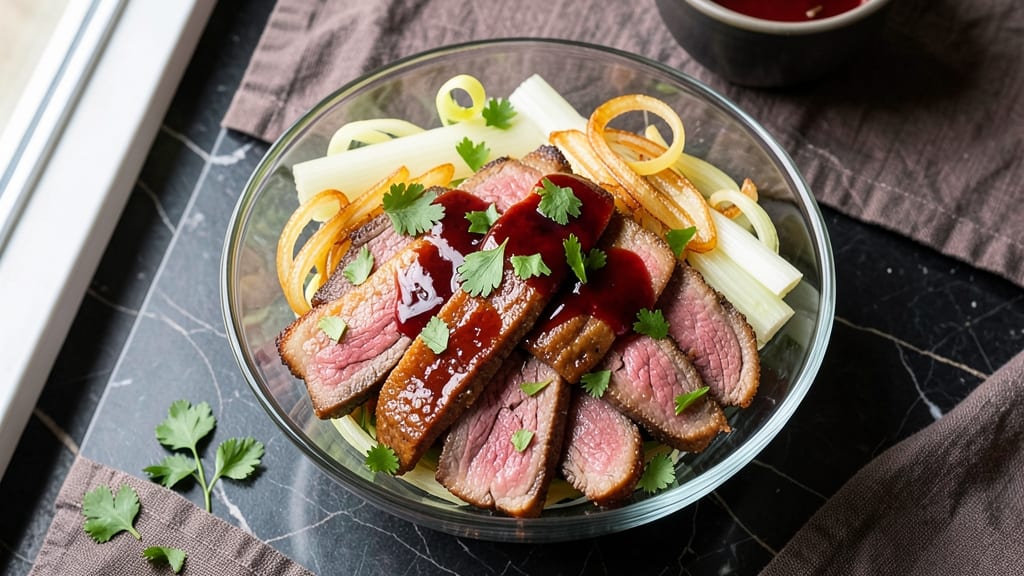
This beef tongue salad recipe transforms an often-overlooked cut into a showstopping dish with smoky, melt-in-your-mouth texture and crisp, refreshing elements. The secret lies in the parboiling process, which tenderizes the meat while preserving its natural richness—no tough bites here.
This isn’t your average salad; it’s a celebration of texture and tradition, where silky beef meets bright, crunchy celery crowns and a tangy dressing that ties everything together.
The beauty of this recipe is its versatility—whether you follow the classic French salade de langue or a modern deconstructed version, the technique remains the same.
We’ll guide you through preparing the beef tongue (yes, it’s easier than it sounds), slicing it into perfect medallions, and assembling the salad with crisp vegetables, herbs, and a dressing that balances smokiness with freshness. The result? A dish that’s restaurant-worthy but built for your home kitchen.
What sets this salad apart is the contrast of textures: tender, almost buttery beef paired with the satisfying crunch of celery and onions. The dressing—brightened with vinegar and herbs—cuts through the richness, while optional garnishes like toasted nuts or pickled onions add depth.
It’s the kind of salad that feels elevated yet approachable, perfect for a weekend brunch or a special dinner when you want to impress.
Ready to elevate your salad game? This recipe delivers foolproof results with minimal effort—just follow the steps, and you’ll have a dish that’s as satisfying to eat as it is to serve. Let’s get started.
Ingredients for beef tongue salad
Transform beef tongue into silky, smoky bites with these crisp, vibrant ingredients.
| Ingredient | Amount | Notes |
|---|---|---|
| Beef Tongue 🥩 | 1 ½ lb | Fresh, preferably organic |
| Yellow Onions 🧅 | 1 whole | Medium size, thinly sliced |
| Celery Crowns 🥬 | 2 whole | Trimmed, crisp |
| Red Wine Vinegar 🍷 | ⅓ cup | Dry, bold variety |
| Extra-Virgin Olive Oil 🫒 | ½ cup | High quality, fruity |
| Fresh Parsley 🌿 | ¼ cup | Chopped, flat-leaf preferred |
| Fresh Dill 🌿 | 0.17 cup | Chopped, stems removed |
| Smoked Paprika 🌶️ | 1 tsp | For smoky depth |
| Garlic Cloves 🧄 | 4 cloves | Minced, fresh preferred |
| Salt 🧂 | 1 ½ tsp | Diamond Crystal preferred |
| Black Pepper 🌶️ | ½ tsp | Freshly ground |
| Honey 🍯 | 1 tbsp | For balancing sweetness |
| Lemon Juice 🍋 | 2 tbsp | Freshly squeezed |
| Toasted Walnuts 🥜 | ¼ cup | Optional garnish |
The beef tongue is the star—look for organic, grass-fed options at specialty butchers for the best texture. A 1.5-pound tongue serves four generously, but if you're feeding a crowd, scale up. The celery crowns should be crisp, so avoid pre-cut bags—they wilt fast. For the onions, yellow or red both work, but yellow adds a touch of sweetness. Smoked paprika is non-negotiable here—it's what gives that classic smoky depth. I grab mine from Penzeys or the bulk section at Whole Foods—both keep it fresh and potent.
No smoked paprika? Liquid smoke at half the amount works in a pinch, though it won't be identical. Fresh herbs are ideal, but dried parsley and dill at one-third the amount will do. The dressing can be made ahead—it actually improves overnight as the flavors meld. For the honey, raw or local adds subtle floral notes, but any variety works. If you're avoiding honey, maple syrup is a perfect swap. The walnuts? Toast them in a dry pan for 3-4 minutes until fragrant—Costco sells them pre-toasted, which saves time.
Beef tongue keeps 3-4 days in the fridge once cooked, but it's best eaten fresh. The dressing stays vibrant for 5 days in the fridge, and the herbs hold up for 2 days if stored properly (wrap tightly in damp paper towels). For make-ahead prep, slice the tongue and store it submerged in dressing—it'll soak up all those bright flavors. The salad itself reheats beautifully, though it's best served at room temperature for that perfect crunch contrast.
Why You'll Love This Recipe
- No-Fuss Prep: I swear by this one—just simmer the beef tongue until it’s fork-tender (about 2 hours, hands-off), then slice it thin. The onions and celery get tossed in a bowl while the tongue cools, and boom: minimal chopping, zero fuss. Even my "I can't cook" friend made it last summer.
- Umami Bomb: That vinegar and olive oil dressing? It’s the secret weapon. The red wine vinegar cuts through the richness of the beef tongue while the olive oil keeps it silky, and the celery adds this bright, crisp crunch that makes every bite pop. Honestly, it’s the kind of flavor that lingers—like a good memory.
- Lunchbox Hero: Between us, this salad holds up better than any sad desk lunch. Pack it in a jar (tongue on bottom, veggies on top), and it stays fresh for days. My kids actually eat it cold—no complaints, just clean plates. Perfect for work lunches, picnics, or when you’re too tired to reheat.
- Budget Powerhouse: A whole beef tongue costs less than two steaks, and it stretches across meals. Make a big batch, and you’ve got leftovers for sandwiches, tacos, or even a quick stir-fry. I’ll be real: it’s my go-to when groceries feel tight, but no one ever guesses it’s budget-friendly.
Step-by-step instructions for smoky, tender beef tongue salad
Here's how to transform tough beef tongue into silky, flavorful bites perfect for a sophisticated salad.
Prepare and Simmer the Beef Tongue
Begin by scoring the surface of the 1.5 lb beef tongue in a crosshatch pattern with a sharp knife, being careful not to cut too deep. This creates channels for the marinade to penetrate deeply. Place the tongue in a large pot and cover it completely with cold water. Bring to a boil over high heat, then immediately reduce to a gentle simmer.
Simmer the tongue for 2 hours, skimming off any foam that rises to the surface. This step removes impurities and begins tenderizing the meat. After 2 hours, drain the water and return the tongue to the pot. Add fresh cold water to cover again, along with the 1 whole yellow onion (peeled and quartered), 2 whole celery crowns (trimmed), 4 cloves garlic (crushed), 1.5 tsp salt, 0.5 tsp black pepper, and 1 tsp smoked paprika. Return to a simmer and cook for another 2 hours.
Create the Flavorful Marinade
While the tongue simmers, prepare the marinade by combining 0.33 cup red wine vinegar, 0.5 cup extra-virgin olive oil, 1 tbsp honey, and 2 tbsp lemon juice in a bowl. Whisk vigorously until emulsified. The vinegar and honey create a perfect balance of tangy and sweet notes that will infuse the tongue with complex flavor.
Once the tongue has simmered for the full 4 hours, remove it from the pot and let it cool slightly. Then, carefully peel off the skin, which should now slide off easily. Once peeled, place the tongue in a shallow baking dish and pour the marinade over it. Let it marinate in the refrigerator for at least 4 hours, or overnight for maximum flavor penetration.
Shred and Assemble the Salad
After marinating, remove the tongue from the refrigerator and shred it using two forks, pulling it apart into tender, bite-sized pieces. The texture should be silky and easily shreddable. In a large bowl, combine the shredded tongue with 0.25 cup chopped fresh parsley and 0.17 cup chopped fresh dill. The herbs will add brightness and freshness that cuts through the richness of the tongue.
Taste the mixture and adjust seasoning with additional salt or pepper if needed. The salad should have a well-balanced flavor profile with a hint of smokiness from the paprika and a touch of sweetness from the honey. This is your chance to ensure every bite is perfectly seasoned.
Garnish and Serve
To serve, transfer the beef tongue salad to a platter or individual bowls. Garnish with the 0.25 cup toasted walnuts for added crunch and texture. The walnuts provide a delightful contrast to the tender tongue, adding a satisfying bite with each bite. You can also drizzle any remaining marinade over the top for extra flavor.
Serve the salad immediately while the tongue is still warm and the herbs are vibrant. This dish pairs beautifully with crusty bread or as part of a larger charcuterie spread. The combination of textures and flavors makes it a showstopper for any meal.
Pro Tips For Making Beef Tongue Salad
- SCORE THE CRUST: First, sear that beef tongue until it’s deep golden brown—no pale patches. I learned this the hard way when I rushed it and ended up with a bland, chewy mess instead of tender, caramelized perfection.
- PEEL THE ONIONS HALF: Cut the yellow onions in half lengthwise, peel them, and leave the root end intact. This keeps them from falling apart when you slice them thin later, and you’ll thank me when your salad stays crisp instead of turning into onion confetti.
- DON’T OVERMIX THE SALAD: Toss the sliced tongue, onions, and celery just enough to coat—overworking it turns everything mushy. My grandmother swore by this, and she was right: a gentle fold keeps the texture bright and satisfying.
- USE COLD VINEGAR: Chill the red wine vinegar in the fridge for 10 minutes before mixing it with the olive oil. The cold cuts through the richness of the tongue better, and the salad stays crisp longer—no soggy bottoms here.
Regional styles of this beef tongue salad
French Salade de Langue
The classic French version focuses on simplicity and elegance. Here, the beef tongue is simmered with aromatic vegetables like carrots and leeks alongside the onions and celery. The dressing remains vinegar-based but often includes a touch of Dijon mustard for depth.
I love adding thinly sliced radishes for a peppery crunch that brightens the dish. Serve with a baguette for dipping—it’s a staple at Parisian bistros. 🥖
Brazilian Salada de Língua
In Brazil, this salad often includes hard-boiled eggs and corn kernels for texture, along with a dressing that leans more citrus-forward using lime juice instead of lemon. The beef tongue is sometimes marinated in orange juice and cumin before cooking, giving it a warm, slightly sweet profile.
Garnish with cilantro and sliced avocado for a tropical twist. This version is a must at churrascarias (Brazilian steakhouses). 🌶️
Southern U.S. Smoky Style
Down South, the beef tongue gets a BBQ rub before simmering—think paprika, brown sugar, and cayenne—for a deeper, smokier flavor. The salad often includes pickled jalapeños and crumbled blue cheese for a tangy kick.
A drizzle of honey-mustard dressing ties everything together. It’s a showstopper at Southern cookouts, especially in Texas and Louisiana. 🔥
Modern Deconstructed Version
For a contemporary take, slice the beef tongue into thin medallions and serve on a bed of arugula with shaved fennel and pomegranate seeds for color. The dressing becomes a light vinaigrette with tarragon and white wine, and the garnish might include toasted pumpkin seeds instead of walnuts.
This version is perfect for health-conscious diners who still crave bold flavors. 💫
Italian-Inspired Variation
In Italy, this salad often features proscuitto di Parma layered with the beef tongue, along with roasted cherry tomatoes and balsamic glaze. The dressing might include aged balsamic vinegar and rosemary, giving it a rustic, herby note.
Serve with crusty ciabatta for dipping—it’s a favorite in Northern Italian regions like Piedmont. 🍷
Spicy Asian Fusion
For a bold twist, marinate the beef tongue in soy sauce, ginger, and sesame oil before simmering. The salad includes shredded cabbage, scallions, and sesame seeds, with a dressing of rice vinegar, chili oil, and honey.
Garnish with crushed peanuts for crunch. This version is a hit at fusion restaurants and brings a completely different flavor profile to the classic dish. 🌶️
Nutrition facts
Frequently asked questions
Why do I need to parboil beef tongue twice?
The first 2-hour boil removes impurities and surface proteins that can make the meat tough. The second 2-hour simmer with aromatics tenderizes the collagen, resulting in that signature silky texture. Skipping either step risks a chewy texture—trust the process!
Can I use pre-cooked beef tongue from the store?
Yes, but the texture won't be as luxurious. Store-bought versions often lack the tenderizing process. If you must use them, simmer for 1 extra hour with onions and garlic to improve tenderness. For best results, always start with fresh.
How do I store leftovers?
Keep cooked tongue submerged in dressing in an airtight container for up to 4 days. Reheat gently in a skillet with a splash of water to maintain moisture. The salad itself stays fresh for 3 days if stored properly—just keep the dressing separate until serving.
What if my beef tongue still feels tough?
Extend the second simmer by 30-60 minutes—the collagen needs more time to break down. For extra tenderness, add 1 tbsp apple cider vinegar to the simmering water. If it's still firm, shred it finer and serve with extra dressing to mask any texture issues.
Can I make this salad ahead of time?
Shred the tongue and store it in the marinade (separate from veggies) for 2 days in the fridge. Assemble the salad just before serving to maintain crispness. The dressing can be made 3 days ahead—its flavors actually improve with time.