Salads
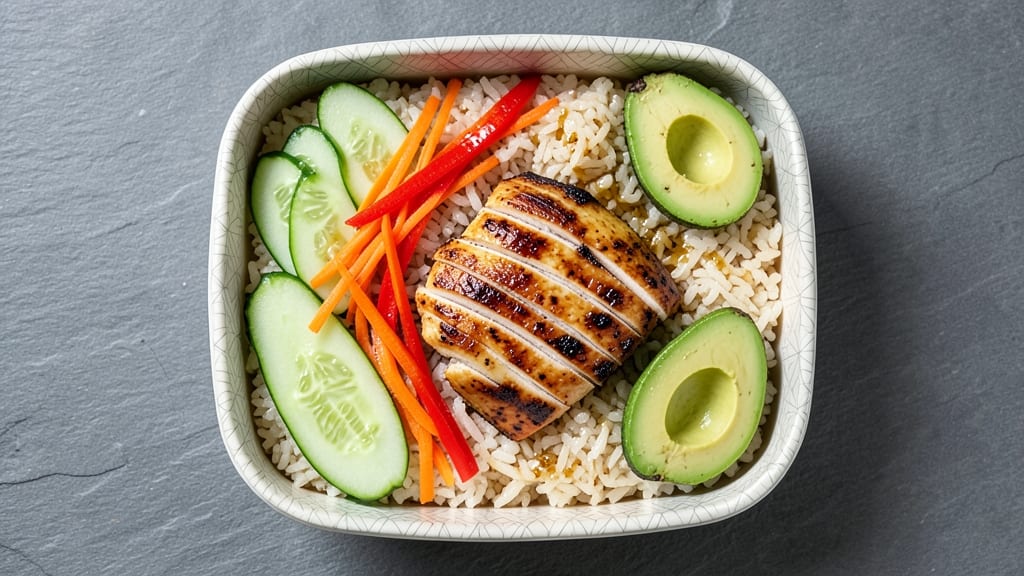
This bento salad recipe transforms lunch into an artful, balanced meal with vibrant layers and satisfying textures. Inspired by Japanese bento boxes, it combines protein, grains, and fresh vegetables in a way that makes every bite feel intentional.
The key is balancing components—think crisp cucumbers, fluffy rice, and tender grilled chicken—all held together by a light sesame-ginger dressing that adds depth without overpowering.
The beauty of this recipe lies in its customization. Swap in tofu for a vegetarian option, salmon for a pescatarian twist, or black beans for a plant-based protein.
Each element is designed to stay fresh and hold its shape, so you can pack it ahead and enjoy it cold or at room temperature. The dressing is simple but transformative, tying together the flavors with a subtle umami kick.
What you'll end up with is a visually appealing, nutrient-packed salad that's as satisfying as it is beautiful. The layers of color and texture make it as pleasing to the eye as it is to the palate, while the balanced flavors keep you full and energized.
Perfect for meal prep, office lunches, or a light yet substantial dinner, this bento salad is a game-changer for anyone looking to elevate their lunch routine.
Serve it in a compartmentalized container to keep everything fresh, or arrange it on a plate for a restaurant-worthy presentation. Whether you're feeding one or planning for the week, this recipe delivers restaurant-quality results with minimal effort. Let's get started!
Ingredients for bento salad
Japanese-inspired layers that pack flavor and crunch into every bite—no fancy skills needed.
| Ingredient | Amount | Notes |
|---|---|---|
| Cooked Sushi Rice 🍚 | 2 cups | Cool completely before assembling |
| Grilled Chicken Breast 🍗 | 1 ½ lb | Boneless, skinless, sliced thin |
| English Cucumbers 🥒 | 1 whole | Peeled, sliced into half-moons |
| Carrots 🥕 | 2 medium | Shredded or julienned thinly |
| Red Bell Pepper 🌶️ | 1 whole | Thinly sliced into strips |
| Avocado 🥑 | 1 whole | Pitted, sliced into wedges |
| Edamame 🌱 | ½ cup | Shelled, steamed, cooled |
| Sesame Seeds 🥜 | 2 tbsp | Toasted lightly for garnish |
| Sesame Oil 🫒 | 2 tbsp | For dressing, not cooking |
| Rice Vinegar 💧 | 3 tbsp | White or seasoned |
| Soy Sauce 🥫 | 2 tbsp | Low-sodium preferred |
| Fresh Ginger 🧄 | 1 tbsp | Grated finely |
| Honey 🍯 | 1 tbsp | Or sub maple syrup |
| Diamond Crystal Kosher Salt 🧂 | ½ tsp | For seasoning |
| Black Pepper 🌶️ | ¼ tsp | Freshly cracked |
The rice is the foundation, so short-grain sushi rice is your best bet—it stays sticky and holds shape. Trader Joe's has pre-cooked packets that save time, or cook your own with a 1:1 rice-to-water ratio. For the chicken, boneless, skinless breasts work best—they grill evenly. Look for organic or free-range at Whole Foods if you want extra quality, but regular supermarket chicken is fine too. The veggies should be bright and crisp—English cucumbers are less seedy than regular ones, and red bell peppers add that pop of color the bento style loves.
No sesame oil? Toasted sesame seeds plus a drizzle of neutral oil works in a pinch. The dressing can be made ahead, but hold off on adding the avocado until serving—it browns fast. Substitute tofu for chicken if you're vegetarian: press and grill firm tofu slices until crispy. For the carrots, baby carrots work too—just slice them lengthwise. The ginger should be fresh, but if you're in a bind, ground ginger at half the amount gets you close. And the honey? Maple syrup or agave keeps it vegan-friendly.
Prep everything ahead and store components separately in the fridge for up to 3 days. The dressing keeps for 5 days in a sealed jar. Assemble right before eating to keep the avocado fresh. For meal prep, use compartmentalized containers—I love the ones with dividers from Amazon. If you're packing for work, add a small container of dressing on the side so you can drizzle it fresh. The rice reheats beautifully in the microwave with a splash of water—30 seconds, covered—so you can enjoy it warm if you prefer.
Why You'll Love This Recipe
- No Chopping Chaos: I swear by this one—just slice the cucumbers and bell pepper into fat half-moons, shred the carrots (or buy pre-shredded), and toss. The rice and chicken do all the heavy lifting while you’re stirring.
- Umami Bomb Combo: That grilled chicken? Still juicy with a smoky edge. The sushi rice adds a subtle sweetness, and the crisp cucumbers cut through it like a cool breeze. Honestly, it’s the kind of balance that makes you reach for seconds without thinking.
- Lunchbox Legend: Between us, this is my go-to for work lunches or kids’ school meals. Pack it in bento boxes, and suddenly you’ve got a colorful, protein-packed lunch that actually looks exciting. (Yes, even on a Tuesday night.)
- Leftovers That Don’t Suck: I make a double batch on Sundays, and it lasts all week—no sad wilted greens here. The rice stays fluffy, the chicken stays tender, and the veggies hold up beautifully. Budget-friendly? Absolutely. Time-saving? Even more so.
Step-by-step instructions for Japanese-inspired bento salad layers
Layering your bento salad is where the magic happens—each component needs its own space for maximum flavor and texture.
Prepare the Base with Seasoned Sushi Rice
Start with the 2 cups of cooked sushi rice you've already prepared. Spread it evenly across the bottom of your bento container, pressing down gently to create a solid base. This layer should be about ½-inch thick—thick enough to hold up the other ingredients but not so thick it disappears under everything else.
In a small bowl, mix together 1 tablespoon of the rice vinegar, 1 tablespoon of soy sauce, and ½ teaspoon of the diamond crystal kosher salt. Drizzle this mixture evenly over the rice and gently fold it in with a spatula. The rice should look slightly glistening but not soggy. This step ensures every bite has that signature Japanese rice flavor without overpowering the other components.
Arrange Crunchy Vegetable Layers
Begin building your vertical layers by adding the shredded carrots and sliced red bell pepper. Spread the 2 medium carrots (shredded thinly) evenly over the rice, followed by the 1 whole red bell pepper (thinly sliced). These vegetables should cover about ⅔ of the container's surface area—leave some space for the other ingredients to peek through.
Next, add the 1 whole English cucumber (peeled and sliced into half-moons) and the 0.5 cup of shelled, cooled edamame. Arrange them in a slightly overlapping pattern to create visual interest while maintaining balance. The cucumber adds refreshing crunch, while the edamame brings a satisfying protein punch. Press down lightly so these layers stay in place when you add the heavier components later.
Add Protein and Creamy Elements
Place the 1.5 lb grilled chicken breast (sliced thin) over the vegetables. Arrange the slices horizontally across the container, slightly overlapping them to create a continuous layer. The chicken should cover about ½ of the surface area, leaving room for the avocado.
Add the 1 whole avocado (pitted and sliced into wedges) to the remaining empty space. The avocado should be placed on the side where you'll eat first—this prevents it from getting squished under the weight of other ingredients. The creamy texture of avocado contrasts beautifully with the crunchy vegetables and tender chicken, creating that perfect balance of textures.
Create the Flavor Dressing
In a small bowl, whisk together the remaining 2 tablespoons of rice vinegar, 1 tablespoon of soy sauce, 1 tablespoon of honey, 1 tablespoon of finely grated fresh ginger, and 2 tablespoons of sesame oil. This dressing is the secret to tying all your flavors together—it's tangy, slightly sweet, and packed with umami.
Drizzle this dressing evenly over all the layers, being careful not to oversaturate the rice at the bottom. You want everything lightly coated but not swimming in liquid. The dressing should penetrate just enough to flavor each component without making the salad soggy. For extra visual appeal, sprinkle the toasted sesame seeds evenly over the top—this adds both texture and a nutty aroma.
Final Assembly and Storage
Gently press down on all layers to help them compact slightly and stay in place. If any ingredients are shifting, use a small spatula to tuck them into their designated spots. The final presentation should show all components clearly—this is what makes a bento salad so visually appealing.
Cover the container and refrigerate for at least 30 minutes before serving. This chilling time allows all the flavors to meld together while keeping each ingredient distinct. When ready to eat, serve immediately for the best texture contrast—each bite should deliver crisp vegetables, tender chicken, creamy avocado, and perfectly seasoned rice all at once.
Pro Tips For Making Bento Salad
- GRAB THE RICE TRAY: Don’t just scoop sushi rice straight from the pot—use a rice paddle or wide spatula to transfer it to your bento box. The rice stays fluffier, and you avoid the sad, squished bottom layer that happens when you dump it in. (Yes, even if you’re impatient like me.)
- SLICE CUCUMBERS THICK: Thin, wimpy cucumber slices? Skip it. Cut English cucumbers into ½-inch thick half-moons—they hold up better, stay crunchy longer, and actually taste like cucumber, not sad water. I learned this the hard way after my first bento box turned into a soggy mess.
- GRILL CHICKEN TO 160°F: Pull grilled chicken off the heat at 155°F—it’ll carry over to 160°F while resting, and the meat stays juicy. Overcooking turns it dry, and nobody wants rubbery chicken in their bento. Use a meat thermometer, or you’re guessing. (And guessing is how mistakes happen.)
- CHILL THE SALAD 10 MINUTES: Assemble the bento box, then pop it in the fridge for 10 minutes before eating. The rice firms up slightly, the chicken cools just enough to avoid a mouthful of heat, and the veggies crisp up again. Sounds weird, but it works—especially if you’re eating it straight from the fridge.
Best sauces and condiments for this bento salad
Sesame-Ginger Dressing
The star of this bento salad is the sesame-ginger dressing, which balances sweet, tangy, and umami flavors perfectly. I use 2 tbsp sesame oil (not cooking oil!) for that nutty depth, plus 1 tbsp grated fresh ginger for zing.
The 1 tbsp honey adds subtle sweetness that rounds out the 2 tbsp soy sauce and 2 tbsp rice vinegar. Whisk everything together until emulsified—this ensures it coats each ingredient evenly without making the salad soggy. 💛
Spicy Mayo Twist
For a kick, swap the sesame-ginger dressing for a spicy mayo variation. Mix 3 tbsp mayonnaise with 1 tsp sriracha, 1 tsp rice vinegar, and a pinch of Diamond Crystal kosher salt.
This adds creamy richness that pairs beautifully with the crunchy veggies and grilled chicken. Drizzle lightly over the top or serve on the side for dipping—it’s especially good if you love heat. 🌶️
Miso-Glazed Option
Add umami depth with a miso glaze by combining 1 tbsp white miso paste with 1 tbsp rice vinegar and 1 tsp honey. Warm the mixture gently (don’t boil) until smooth, then drizzle over the assembled salad.
The miso caramelizes slightly, creating a sticky, savory glaze that clings to the rice and chicken. I recommend Miyoko’s brand for a smooth, high-quality paste. ✨
Quick Pickled Veggies
Elevate your bento salad with quick-pickled veggies as a topping. Thinly slice ½ cup English cucumber and ½ red bell pepper, then toss with 1 tbsp rice vinegar, ½ tsp sugar, and a pinch of salt.
Let sit for 10 minutes before adding to the salad. The tangy crunch cuts through the richness of the chicken and avocado, adding a refreshing contrast. 🥒
Umami Tahini Dressing
For a nutty, creamy alternative, blend 2 tbsp tahini with 1 tbsp rice vinegar, 1 tbsp water, ½ tsp honey, and a pinch of black pepper. Thin with a splash of water until pourable.
This dressing adds a rich, earthy flavor that complements the salad’s fresh ingredients. I love Kirkland Signature tahini for its smooth texture and balanced taste. 🥜
Garnish Ideas
Finish your bento salad with toasted sesame seeds (as called for in the recipe) or try crispy fried shallots for extra crunch. A sprinkle of bonito flakes adds a smoky, savory note, while nori strips bring a classic Japanese touch.
For a pop of color, add microgreens or shredded purple cabbage. These garnishes not only enhance flavor but also make your salad look restaurant-worthy. 💫
Nutrition facts
Frequently asked questions
Can I make this bento salad ahead of time?
Yes, but with smart prep! Store all components separately in the fridge for up to 3 days. Keep the dressing in a sealed jar for 5 days. Assemble right before eating to prevent sogginess—especially with avocado. Pro tip: Use compartmentalized containers to keep everything fresh and organized.
What are good vegetarian protein swaps?
Try marinated tofu (press and grill firm tofu for crispiness) or black beans (rinsed and drained). For extra richness, add smoked tempeh or edamame (already in the recipe). These keep the salad hearty and satisfying without meat.
How do I prevent the rice from getting mushy?
Use short-grain sushi rice (it stays firm) and spread it in a thin, even layer. Press gently to compact it, then refrigerate for 30 minutes before adding other ingredients. Avoid over-dressing—just a light coating keeps it fresh.
Can I use store-bought rice instead of cooking my own?
Opt for pre-cooked sushi rice (like Trader Joe’s or Japanese markets) to save time. Just follow package instructions for reheating—microwave with a splash of water for 30 seconds to restore texture.
What’s the best way to pack this for work?
Use a compartmentalized bento box (Amazon or Japanese kitchen stores) to keep layers separate. Pack dressing separately and add it fresh before eating. For extra freshness, freeze the avocado wedges until ready to use—this slows browning.