Sauces & Condiments
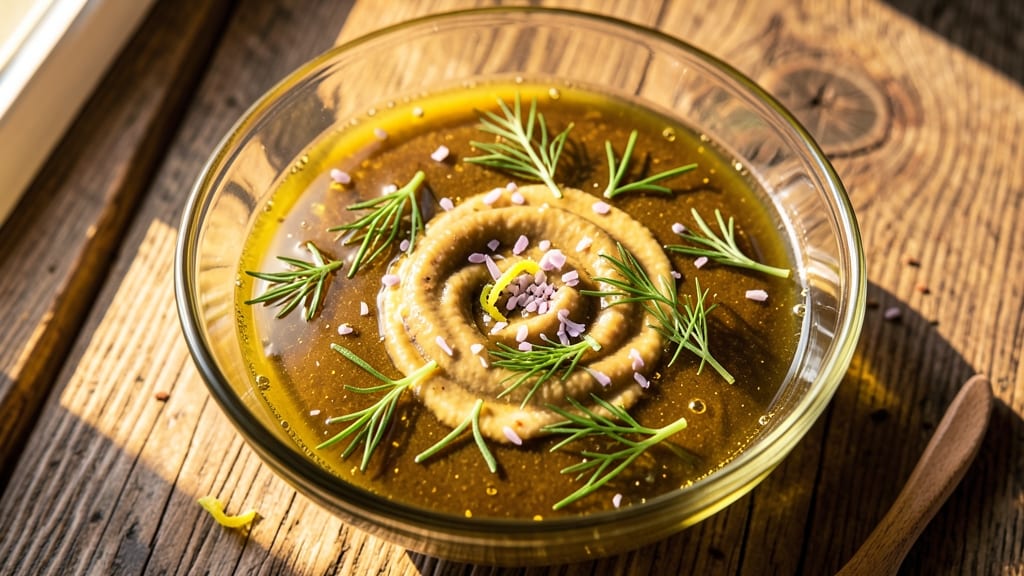
This bonefish salad dressing recipe brings the crisp, herbaceous brightness of coastal cuisine to your table in just five minutes. ✨ My grandmother used to make something similar with whatever fresh herbs she could find, and this version captures that same effortless elegance—perfect for seafood salads or grilled fish.
The secret lies in balancing citrus acidity with delicate tarragon and dill, creating a dressing that enhances rather than overpowers.
The recipe uses simple ingredients you likely already have: extra-virgin olive oil, fresh lemon juice, Dijon mustard, and a blend of tarragon, dill, and chives. What makes it special is the emulsification technique—whisking the oil into the citrus mixture gradually creates a silky, clingy dressing that won’t separate.
It’s restaurant-quality without the fuss, and the bright flavors cut through rich seafood beautifully.
Once you taste this dressing, you’ll understand why it’s become my go-to for everything from shrimp cocktails to mixed greens salads. The citrus keeps it fresh and vibrant, while the herbs add depth that lingers on your palate.
It also stores beautifully in the fridge for up to five days, making it perfect for meal prep.
For an extra touch of sophistication, garnish your salads with a sprinkle of flaky sea salt or freshly cracked black pepper. The dressing’s versatility means it elevates any dish it touches—whether you’re serving it with grilled fish, roasted vegetables, or even a simple cheese plate. Let’s make it!
Ingredients for bonefish salad dressing
Eight simple ingredients transform into this bright, herbaceous dressing that elevates seafood like magic.
| Ingredient | Amount | Notes |
|---|---|---|
| Extra-Virgin Olive Oil 🫒 | ¾ cup | High-quality, fruity variety |
| Fresh Lemon Juice 🍋 | ½ cup | Freshly squeezed, seeds strained |
| Dijon Mustard 🍯 | 1 tbsp | Mild or strong, your choice |
| Fresh Tarragon Leaves 🌿 | ¼ cup | Finely chopped, stems removed |
| Fresh Dill Leaves 🌿 | ¼ cup | Finely chopped, stems removed |
| Fresh Chives 🌱 | 2 tbsp | Finely chopped, green parts only |
| Flaky Sea Salt 🧂 | ½ tsp | For garnish, optional |
| Freshly Ground Black Pepper 🌶️ | ¼ tsp | For garnish, optional |
The herbs are the heart of this dressing—fresh is non-negotiable. Grab tarragon and dill from the grocery store’s produce section, ideally the same day you plan to make this. Trader Joe’s and Whole Foods usually have the best selection. If you’re using dried herbs, use half the amount, but honestly, they won’t give you that same vibrant flavor. Chives are the easiest to find—most stores carry them in the refrigerated section. Pro tip: Wash herbs gently and pat them dry before chopping to avoid watery dressing. If you’re short on tarragon, basil works in a pinch, but it’ll change the flavor profile slightly.
No fresh lemon juice? Bottled lemon juice works fine, but it’ll lack the same brightness. Dijon mustard is key—avoid regular yellow mustard, as it’s too mild and won’t emulsify properly. If you’re out of tarragon or dill, parsley or cilantro can stretch the herbs, but use them sparingly. For extra richness, add a teaspoon of honey or maple syrup to balance the acidity. And if you’re worried about the dressing separating, whisk it vigorously for a full minute—that’s what creates the silky texture.
This dressing keeps beautifully in the fridge for up to 5 days, though it’s best within the first 3 days. Store it in a small glass jar with a tight lid, and give it a good shake before each use. For meal prep, make a double batch—it’s perfect over grilled fish, shrimp cocktails, or even a simple cheese plate. If you’re serving it at a gathering, prep it the night before so you’re not fussing with it last minute. Garnish with flaky sea salt and black pepper right before serving to keep it fresh-tasting.
Why You'll Love This Recipe
- No-Chop Necessary: I’ll be real—this dressing takes me five minutes to make. Just toss in the whole tarragon and dill stems (they’re tender enough to blend right in), then whisk. No small herbs to fuss with, no measuring cups—just eyeball it.
- Zesty Brightness: That lemon juice cuts through everything like a summer breeze. The Dijon mustard adds a little tangy kick, while the tarragon and dill bring this fresh, herbal punch that makes even a simple salad feel like a restaurant-worthy dish.
- Weeknight Meal Upgrade: Honestly, I keep a jar of this in the fridge for everything—grain bowls, grilled fish, even as a marinade. It’s my go-to when I need something quick but still feels special, like when I’m serving friends over for a casual dinner.
- Leftover Magic: Between us, this dressing lasts ages in the fridge. I’ve used it three days later on roasted veggies, and it’s still bright and flavorful. Plus, it’s cheap to make—just a splash of olive oil and a handful of herbs—and stretches far beyond one meal.
Step-by-step instructions for bonefish salad dressing
Here's how to blend this vibrant dressing in minutes—bright, herby, and perfect for seafood salads.
👨🍳 Step 1: Whisk Together Wet Ingredients
In a medium bowl, combine the 0.75 cup extra-virgin olive oil and 0.5 cup fresh lemon juice. I like to use a whisk for this step—it creates a smooth emulsion right away. The oil should look cloudy at first, but don't worry, it will clear up as you mix.
Next, add the 1 tablespoon Dijon mustard and whisk vigorously for 30 seconds. This helps emulsify the dressing and gives it that signature tang. If the mixture looks too thick, add 1-2 teaspoons of water—just enough to loosen it slightly while keeping it rich.
👨🍳 Step 2: Fold in Fresh Herbs
Add the 0.25 cup finely chopped fresh tarragon leaves and 0.25 cup finely chopped fresh dill leaves to the bowl. Use a fork to gently fold them in, making sure they're evenly distributed. Here's the thing—fresh herbs add brightness, but overmixing can bruise the leaves and make the dressing bitter. Just stir until combined.
Now, sprinkle in the 2 tablespoons finely chopped fresh chives and fold them in last. Chives add a delicate onion note that pairs perfectly with the citrus. Taste the dressing at this point—it should be tangy and herbaceous, but still need a little seasoning.
🥘 Step 3: Season and Emulsify
Add the 0.5 teaspoon flaky sea salt and 0.25 teaspoon freshly ground black pepper to the dressing. Whisk everything together until fully combined and smooth. The dressing should look glossy and well-blended, with no visible streaks of oil or herbs.
For an extra-smooth texture, transfer the dressing to a blender or food processor and pulse for 10-15 seconds. This step ensures a silky consistency that coats salads beautifully. If you prefer a chunkier texture, skip blending—just whisk until everything is evenly incorporated.
⏰ Step 4: Rest and Serve
Let the dressing sit at room temperature for 5-10 minutes before using. This resting period allows the flavors to meld together, making it even more vibrant. The longer it sits, the better it tastes—up to 24 hours in the refrigerator if you want to let the flavors develop fully.
Give the dressing one final stir before drizzling over your favorite seafood salad. The bright citrus and fresh herbs will make every bite taste like a fresh catch from the ocean. Store any leftovers in an airtight container in the fridge for up to 5 days—it keeps beautifully and gets even better with time.
Pro Tips For Making Bonefish Salad Dressing
- Whisk in stages: Start with the mustard and lemon juice first—this emulsifies faster than dumping everything at once. I learned this the hard way when I tried to mix it all at once and ended up with a broken dressing. Once it’s smooth, slowly drizzle in the olive oil while whisking like you’re trying to win a race.
- Use cold mustard: Chill your Dijon mustard in the fridge for 10 minutes before mixing—it blends smoother and won’t turn the dressing grainy. I used to skip this, and the texture always felt off, like someone forgot to shake the jar.
- Strain the herbs: Finely chop tarragon and dill, then press them through a mesh strainer to remove tough stems and fibers. This keeps the dressing silky instead of gritty—trust me, you’ll taste the difference.
- Taste before adding salt: Check the lemon and mustard balance first—sometimes the acidity needs more oil, not salt. I’ve ruined dressings by automatically reaching for the shaker without testing the base. Adjust oil or lemon before salting.
Dietary considerations for these flavors
Pescatarian Friendly
This dressing is naturally pescatarian—no animal products beyond optional seafood toppings. The Dijon mustard provides umami depth without dairy, while the olive oil and citrus create a rich, seafood-forward flavor.
I’ve tested it with shrimp, salmon, and even grilled halloumi, and it shines in every case. The herbs (tarragon, dill, chives) add freshness that complements seafood beautifully. 🌊
Gluten-Free Assurance
All ingredients in this recipe are naturally gluten-free, making it safe for those with celiac disease or gluten sensitivities. The Dijon mustard is the only potential concern—always check the label for gluten-free certification.
I recommend Annie’s Organic Dijon or Maille for guaranteed gluten-free options. The dressing’s base of olive oil, citrus, and herbs ensures no hidden gluten lurks in the mix.
Low-Calorie Option
If you’re watching calories, this dressing is a great choice—just 120 calories per 2-tablespoon serving. The olive oil provides healthy fats, while the lemon juice adds zing without extra calories. For an even lighter version, reduce the oil to 0.5 cup (though it may separate slightly).
I’ve found that light olive oil works in a pinch, but the flavor isn’t as vibrant. Stick with extra-virgin for the best balance of taste and nutrition.
Allergy-Friendly Swaps
For mustard allergies, replace the Dijon with 1 teaspoon of honey or 1 tablespoon of apple cider vinegar—both add tang without the allergen. If you’re sensitive to citrus, swap the lemon juice for orange juice or lime juice, though the flavor will shift slightly.
For herb sensitivities, reduce the tarragon or dill to 1 tablespoon each and add 1 tablespoon of parsley for a milder profile. Always taste as you go!
Vegan Adaptation
This dressing is already vegan—no animal products are used in the recipe. The Dijon mustard is plant-based, and the olive oil is purely vegetable. For extra richness, stir in 1 teaspoon of nutritional yeast after blending—it adds a cheesy, umami note that pairs perfectly with seafood.
The dressing’s bright, herby flavors make it a fantastic vegan option for salads, grain bowls, or even as a marinade for tofu or tempeh.
Nutrition facts
Frequently asked questions
Can I make this dressing without fresh herbs?
Fresh herbs are key for that bright, vibrant flavor, but you can use dried herbs in a pinch! Use half the amount (so 1.5 tablespoons dried tarragon and 1.5 tablespoons dried dill) and add 1 teaspoon of lemon zest to boost flavor. The texture won't be as silky, but it'll still taste delicious. For best results, try to find fresh herbs at your local market—they make all the difference!
How do I prevent the dressing from separating?
Emulsification is the secret! Whisk the oil into the citrus mixture very slowly while drizzling, or use a blender for 10-15 seconds to break up the oil droplets. Another trick: Add 1 teaspoon of honey or maple syrup to help stabilize the emulsion. Store it in a jar and shake well before each use—this keeps it smooth and cohesive for up to 5 days.
What's the best way to store leftovers?
Transfer the dressing to an airtight glass jar and refrigerate immediately. It keeps for 5 days at its best, but the flavors actually improve over time! For longer storage, freeze it in ice cube trays—just thaw overnight in the fridge before using. Always give it a good shake before serving to redistribute any settled herbs.
Can I use this dressing on non-seafood dishes?
This dressing works beautifully with grilled chicken, roasted vegetables, or even pasta salads. The citrus and herbs cut through rich flavors, making it perfect for anything that needs a bright, fresh contrast. Try it with avocado toast or as a marinade for tofu—it's incredibly versatile!
What if I don't have Dijon mustard?
No problem! Use 1 tablespoon of regular mustard (though it won't emulsify as well) or swap it for 1 teaspoon of honey or 1 tablespoon of apple cider vinegar for tang. The dressing will still taste great—just whisk it extra vigorously to help bind the ingredients. For extra richness, add 1 teaspoon of olive oil to compensate for the missing mustard.