
Sauces & Condiments
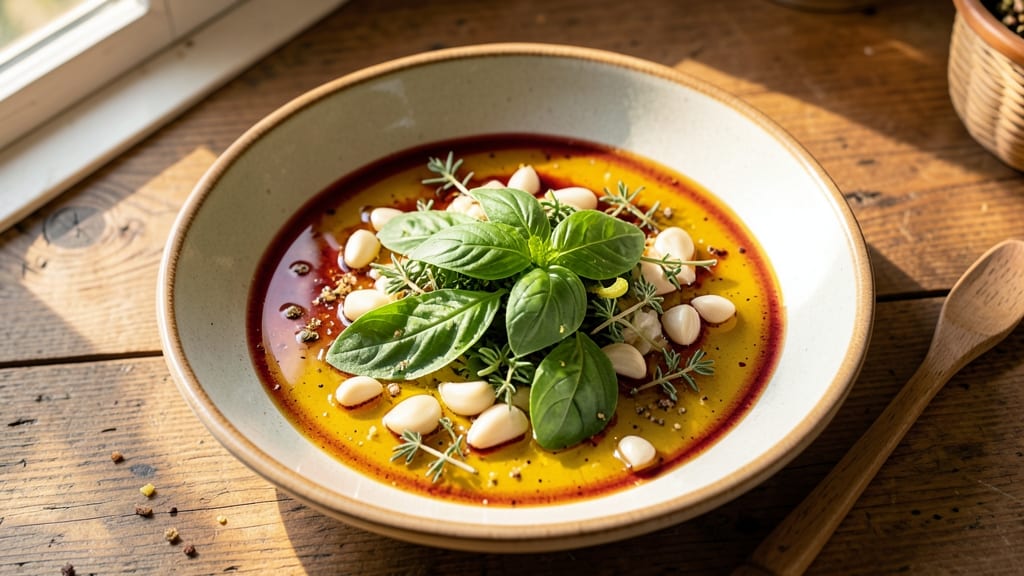
Buca's antipasto salad dressing transforms any salad or platter into a restaurant-quality experience with its bold Italian herb and garlic zing. 💛 I've replicated this signature dressing after years of experimenting with Italian seasoning blends, and the secret lies in balancing fresh herbs with high-quality olive oil and a touch of vinegar for brightness.
This dressing isn't just for salads—it elevates antipasto platters, grilled vegetables, and even as a marinade for chicken or fish.
The recipe uses simple ingredients you likely already have: extra virgin olive oil, red wine vinegar, fresh garlic, and a blend of Italian herbs like oregano, basil, and thyme.
The key is letting the dressing sit for at least 30 minutes before using, which allows the flavors to meld and develop that signature Buca's taste. No special equipment is needed—just a whisk and a jar to store it in your fridge.
What makes this dressing truly special is how it enhances every bite without overpowering the other flavors. The garlic and herbs add depth, while the olive oil provides richness and a smooth finish.
It's the kind of dressing that makes you crave Italian flavors without the need for a full meal. The recipe yields about 1 cup, which is perfect for two salads or as a topping for a generous antipasto spread.
Store any leftovers in an airtight container in the refrigerator for up to 10 days, where the flavors will continue to deepen over time. This dressing is versatile enough for everyday meals but impressive enough for gatherings—making it a staple in my kitchen.
Let's get started on recreating this flavorful classic.
Ingredients for buca antipasto salad dressing
Nine simple ingredients for a dressing that tastes like your favorite Italian bistro.
| Ingredient | Amount | Notes |
|---|---|---|
| Extra-Virgin Olive Oil 🫒 | ¾ cup | High-quality, fruity variety |
| Red Wine Vinegar 🍷 | ¼ cup | Dry, bold flavor preferred |
| Fresh Garlic Cloves 🧄 | 4 cloves | Peeled, roughly chopped |
| Fresh Basil Leaves 🌿 | ½ cup | Packed, stems removed |
| Fresh Oregano Leaves 🍃 | ¼ cup | Packed, stems removed |
| Fresh Thyme Sprigs 🌿 | ¼ cup | Leaves only, stems discarded |
| Dried Parsley Flakes 🌿 | 1 tbsp | For extra freshness |
| Sea Salt 🧂 | 1 tsp | Fine grain preferred |
| Black Peppercorns 🌶️ | ½ tsp | Freshly cracked |
| Granulated Sugar 🍚 | 1 tsp | Balances acidity |
The olive oil is non-negotiable here—Trader Joe's or Whole Foods have great options for fruity, extra-virgin varieties. Fresh herbs are key: grab basil, oregano, and thyme from the grocery store's produce section, preferably with vibrant green leaves (no wilted stems!). If you're short on fresh thyme, dried thyme at half the amount works, but fresh is ideal. Red wine vinegar should be dry and bold—Bartles & Jaymes or Bragg are solid choices. For garlic, roasted garlic adds a mellow sweetness if you prefer less pungency, but fresh is traditional.
No fresh basil? Dried basil at one-third the amount gets you close, but the flavor won't be as bright. Short on oregano? Italian seasoning blend works in a pinch, but it lacks the specific oregano depth. The sugar balances the vinegar's acidity—skip it if you prefer a tangier dressing. For a smoother texture, pulse the garlic and herbs briefly in a food processor before whisking with the oil. If you don’t have a whisk, a fork works just fine. This dressing tastes even better the longer it sits—30 minutes minimum, but overnight is ideal for maximum flavor development.
Store leftovers in an airtight jar in the fridge for up to 10 days, where the flavors deepen over time. The dressing thickens slightly when chilled, so give it a quick whisk before using. For a restaurant-style presentation, drizzle over antipasto platters or toss with grilled vegetables. It also works as a marinade for chicken or fish—just reserve some for serving. If the dressing separates, stir vigorously to re-emulsify. Freezing isn’t recommended, as the texture changes.
Why You'll Love This Recipe
- No-Chop Needed: I swear by this—just smash the garlic, tear the basil, and stir. No knife skills required, just honest, fragrant flavor from the fresh herbs and that bright red wine vinegar cutting through the richness of the olive oil.
- Herb-Packed Punch: Between us, this dressing is ridiculously good—garlicky, tangy, and bright from the oregano and basil. It’s the kind of thing that makes you take a second bite of whatever you’re eating, even if it’s just toast with olive oil.
- Weeknight Magic: I keep a jar of this in the fridge for when I’m too tired to think. Drizzle it on crusty bread, toss with roasted veggies, or even use it as a marinade. It’s my lazy-but-impressive go-to when I don’t want to overcomplicate things.
- Makes Extra: Honestly, I always double the batch because it lasts forever. The vinegar preserves the freshness, so I’m using it for days—no sad, wilted leftovers here. Plus, the cost? Peanuts. Olive oil, vinegar, and herbs don’t break the bank.
Step-by-step instructions for Buca's antipasto salad dressing
This dressing delivers that signature Buca's tangy, herby zing—easy, vibrant, and packed with flavor.
👨🍳 Step 1: Combine the Wet Ingredients
In a medium bowl, whisk together the 0.75 cup extra-virgin olive oil and 0.25 cup red wine vinegar until fully emulsified. You'll notice the mixture immediately starts to blend smoothly—this is your base, so don't rush it. The oil should look almost translucent when mixed properly.
Next, add the 1 tsp granulated sugar and stir until completely dissolved. This step balances the acidity from the vinegar, creating that perfect sweet-tart flavor profile. The sugar will disappear completely once mixed, but trust me—it makes a difference.
🍳 Step 2: Add Garlic and Seasonings
To the oil-vinegar mixture, add the 4 peeled garlic cloves (roughly chopped) and the 1 tsp sea salt. Mash the garlic slightly with the back of a spoon to release its oils—this ensures maximum flavor infusion. You'll smell that rich, pungent aroma immediately, which is exactly what you want.
Crack the 0.5 tsp black peppercorns directly into the bowl using the back of a spoon or a mortar and pestle. This keeps the peppercorns whole while still releasing their flavor. Give everything another good whisk to combine thoroughly. The mixture should look slightly cloudy from the garlic and salt.
🥘 Step 3: Fold in Fresh Herbs
Add the 0.5 cup fresh basil leaves, 0.25 cup fresh oregano leaves, and 0.25 cup fresh thyme sprigs (leaves only) to the bowl. Use a wooden spoon to gently fold everything together—don't whisk vigorously yet. You want the herbs to soften slightly and release their oils without turning to mush.
Sprinkle in the 1 tbsp dried parsley flakes and give one final gentle stir. The parsley adds a bright, fresh finish that ties all the flavors together. Let the dressing sit at room temperature for 10 minutes—this allows the flavors to meld completely. You'll notice the color deepen slightly as the herbs infuse.
⏰ Step 4: Blend to Perfection
Transfer the dressing to a blender or food processor. Pulse for 10-15 seconds until the herbs are finely chopped but not completely pureed. You want a chunky texture with visible herb flecks—this is what gives Buca's dressing its signature character. Taste and adjust seasoning if needed; you might want to add a pinch more salt or a splash of vinegar for balance.
The dressing should have a vibrant green hue with visible herb specks throughout. If it looks too thick, whisk in 1-2 teaspoons of water to reach your desired consistency. This dressing tastes best when used within 3 days when stored in the refrigerator, but the flavors actually improve overnight as they meld further.
Pro Tips For Making Buca Antipasto Salad Dressing
- Mince, Don’t Chop Garlic: I learned this the hard way—chopping garlic into tiny pieces makes the dressing bitter fast. Use a knife to press and mince the cloves into a paste instead. This blends smoothly and releases flavor without turning the dressing harsh.
- Toast Oregano First: Dry the oregano leaves in a pan over low heat for 10 seconds—just until they shimmer. This deepens their aroma and prevents them from turning the dressing muddy. (Yes, even if you’re impatient like me.)
- Whisk in Stages: Start by mixing the vinegar and garlic paste, then slowly drizzle in the olive oil while whisking vigorously. Adding oil all at once creates a greasy separation. Think "emulsion," not "dump-and-stir."
- Use Aged Red Wine Vinegar: Skip the cheap stuff—aged vinegar (like balsamic vinegar’s older cousin) has complexity that cuts through the oil better. It’s the thing that makes this dressing taste like a proper Italian trattoria, not a sad canned version.
Best sauces and condiments for this recipe
Herb Variations
Swap out herbs to match what you have on hand or your taste preferences. For a Mediterranean twist, replace thyme with 1 tbsp fresh rosemary and add ½ tsp dried marjoram.
If you love bright, citrusy flavors, mix in 1 tbsp fresh lemon zest with the basil and oregano. I once used fresh dill instead of parsley for a Greek-inspired version—it worked surprisingly well! 🌿
Vinegar Alternatives
Red wine vinegar is traditional, but other vinegars work beautifully. For a tangier dressing, use balsamic vinegar (reduce the sugar to ½ tsp since it’s sweeter). Apple cider vinegar adds a subtle sweetness that pairs well with antipasto meats.
I’ve also used white wine vinegar for a lighter, more delicate flavor—just reduce the garlic to 3 cloves to avoid overpowering the dish.
Gluten-Free Adaptations
This dressing is naturally gluten-free, but always double-check your ingredients. Some dried herb blends or vinegars may contain trace gluten. For extra safety, use certified gluten-free olive oil and vinegar. The parsley flakes are usually gluten-free, but if you’re sensitive, opt for fresh parsley instead.
I’ve made this dressing for gluten-free guests without any issues—just keep an eye on those labels! 💛
Storage and Shelf Life
Store leftovers in an airtight glass jar in the fridge for up to 10 days. The flavors deepen over time, so it’s even better the next day! If the dressing separates, whisk vigorously to re-emulsify.
Avoid freezing, as the texture can become grainy. For longer storage, transfer to a small mason jar and keep it in the fridge—it’ll stay fresh and ready for your next antipasto night.
Uses Beyond Salads
This dressing isn’t just for salads—it’s a game-changer for grilled chicken or fish, drizzled over roasted vegetables, or even as a marinade for shrimp. Toss it with warm quinoa or couscous for a quick, flavorful side.
I love using it as a dipping sauce for crusty bread or mozzarella sticks. The possibilities are endless, and it’s always a crowd-pleaser! 🍽️
Sweet and Spicy Twist
For a sweet and spicy variation, add ½ tsp cayenne pepper and 1 tsp honey to the wet ingredients. This version pairs perfectly with charred corn or grilled peppers. If you prefer a milder heat, reduce the cayenne to ¼ tsp and add ½ tsp smoked paprika** for depth.
I made this version for a summer BBQ, and it was a hit with everyone—especially the kids who love a little kick! 🌶️
Nutrition facts
Frequently asked questions
Can I make this dressing without fresh herbs?
For basil, use 1 tbsp dried basil (one-third the amount), and for thyme/oregano, use ½ tsp dried thyme and ½ tsp dried oregano each. The flavor won't be as vibrant, but it still delivers that Italian zing. For best results, let the dried herbs steep in the oil for 15 minutes before blending.
How do I prevent the dressing from separating?
Whisk the olive oil and vinegar vigorously for 30 seconds to create a proper emulsion. Add a pinch of mustard powder (¼ tsp) or 1 tsp honey to help stabilize it. If it separates later, whisk in 1 tsp water or a splash of vinegar to restore consistency. Always store it in an airtight container!
What's the best way to use this dressing on antipasto platters?
Drizzle generously over cured meats, marinated olives, and cheeses like mozzarella and provolone. For extra flair, spoon small pools onto the platter and let guests dip bread or vegetables into it. It also works beautifully as a marinade for 15-20 minutes for grilled chicken or shrimp before serving.
Can I make this dressing ahead of time?
Yes! This dressing tastes even better after 24 hours in the fridge as the flavors meld. Store it in an airtight jar and give it a good whisk before using. For parties, make it 1-2 days ahead—it'll be your secret weapon for restaurant-quality antipasto spread. The herbs keep their freshness perfectly!
What if I don't have red wine vinegar?
Use white wine vinegar (reduce garlic to 3 cloves) or apple cider vinegar (add ½ tsp extra sugar to balance). Balsamic vinegar works too—just reduce the sugar to ½ tsp since it's naturally sweeter. The dressing will still be delicious with these swaps!