Salads
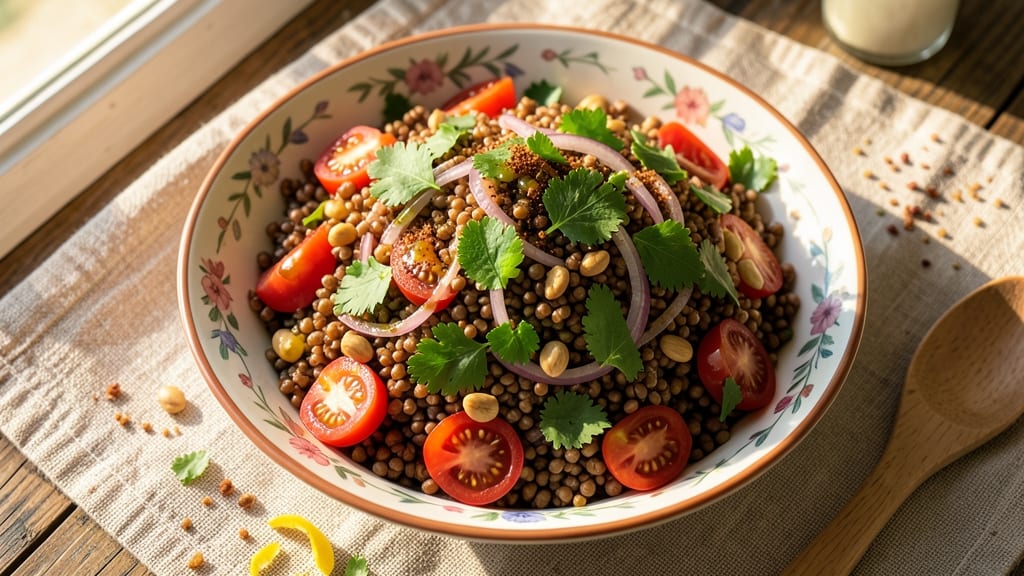
This buckwheat tabbouleh salad recipe transforms a Middle Eastern classic into a nutty, protein-rich vegetarian dish that still delivers all the bright, herby freshness you love. The key difference?
Swapping traditional bulgur for buckwheat creates a heartier texture with an earthy depth that pairs perfectly with the lemony parsley and tangy sumac. I first discovered buckwheat tabbouleh while searching for gluten-free grain alternatives that still held up in salads - and it became an instant weeknight favorite.
The preparation method is straightforward but requires one critical step: soaking the buckwheat for at least 30 minutes before mixing. This ensures tender grains that absorb the lemon dressing without becoming mushy.
Fresh herbs are essential - parsley and mint should be finely chopped, not minced, to maintain that signature tabbouleh texture while releasing maximum flavor. The salad comes together in just 15 minutes after soaking, making it perfect for meal prep or last-minute gatherings.
What makes this version special is the flavor balance - bright lemon, aromatic herbs, and toasted pine nuts create a symphony of textures and tastes. The buckwheat adds a satisfying chewiness that traditional bulgur can't match, while still maintaining that signature Middle Eastern brightness.
Each bite delivers fresh parsley, zesty lemon, and nutty buckwheat in perfect harmony. The salad keeps well for 2-3 days in the refrigerator, with flavors actually deepening as it sits.
For added visual appeal, consider garnishing with pomegranate seeds or toasted almonds before serving. This salad works beautifully as a main dish with grilled chicken or fish, or as a refreshing side for Mediterranean-style meals.
The buckwheat makes it naturally gluten-free while adding impressive nutritional benefits. Let's get started with this nutty twist on a classic!
Ingredients for buckwheat tabbouleh salad
Nine ingredients transform this classic salad into a hearty, nutty vegetarian masterpiece.
| Ingredient | Amount | Notes |
|---|---|---|
| Buckwheat Groats 🌾 | 1 cup | Rinsed before soaking |
| Fresh Flat-Leaf Parsley 🌿 | 2 cups | Stems removed, finely chopped |
| Fresh Mint Leaves 🍃 | ½ cup | Finely chopped, not minced |
| Extra-Virgin Olive Oil 🫒 | ½ cup | High quality, fruity |
| Fresh Lemon Juice 🍋 | ¼ cup | From 1-2 large lemons |
| Ground Sumac 🍇 | 1 tbsp | For tangy brightness |
| Toasted Pine Nuts 🥜 | ¼ cup | Lightly browned in oil |
| Diamond Crystal Kosher Salt 🧂 | ½ tsp | Fine grain preferred |
| Ground Black Pepper 🌶️ | ¼ tsp | Freshly cracked |
| Pomegranate Seeds 🍇 | ¼ cup | For garnish, optional |
| Toasted Almond Slices 🥜 | ¼ cup | For garnish, optional |
| Water 💧 | 1 ½ cups | For soaking buckwheat |
Buckwheat is the star here—look for roasted or raw groats at specialty stores like Whole Foods or bulk sections. The roasted kind has a deeper flavor but still needs soaking. Fresh herbs are non-negotiable: parsley should be bright green with no yellowing, and mint leaves should smell vibrant. Middle Eastern markets often carry sumac in small jars—it's worth hunting down for that signature tang. Toast your own pine nuts in a dry pan over medium heat (they burn fast!) or grab pre-toasted from Trader Joe's for convenience.
No sumac? Substitute lemon zest plus a pinch of salt for brightness. Fresh herbs wilt fast? Dried parsley at half the amount works in a pinch, but texture suffers. The buckwheat soak water is edible—pour it over the salad if you're feeling adventurous (it adds subtle flavor). For extra protein, fold in cooked chickpeas or crumbled feta at the end. And if you're short on time, pre-cooked quinoa can replace half the buckwheat for a quicker version.
This salad tastes even better the next day—flavors meld beautifully. Store in an airtight container with a paper towel pressed on top to keep herbs fresh for 3-4 days. For meal prep, portion into containers with the dressing on the side to prevent sogginess. The buckwheat holds up well to freezing too—just thaw overnight in the fridge before serving. Garnishes like pomegranate seeds or toasted almonds add crunch but can be omitted if you're keeping it strictly vegetarian (or vegan with the right substitutions).
Why You'll Love This Recipe
- No-Chop Shortcut: I swear by this trick—just roughly tear the parsley and mint instead of chopping. The texture’s still bright and fresh, but I save 10 minutes while the groats soak. (Between us, my knife skills are questionable.)
- Earthy-Lemon Zing: That buckwheat’s nutty bite with the lemon’s sharp punch? It’s the kind of flavor that sticks with you. Honestly, the olive oil ties it all together—no heavy dressing needed, just pure, vibrant taste.
- Meal Prep MVP: Make it once, eat it all week. The groats hold up perfectly for 4-5 days in the fridge, and the herbs stay crisp if you store them separately. Pack it for lunches or toss it into wraps—it’s my go-to for lazy days.
- Budget Brightener: Buckwheat’s cheaper than quinoa, and you’re using half the herbs of traditional tabbouleh. Plus, a little lemon juice goes a long way—no fancy ingredients, just big flavor. My wallet and taste buds thank me.
Step-by-step instructions for buckwheat tabbouleh salad
Transform classic tabbouleh with nutty buckwheat—this method keeps all the bright freshness while adding hearty texture.
Soak and Cook the Buckwheat
Place the 1 cup buckwheat groats in a medium bowl and cover with the 1.5 cups water. Let soak for at least 30 minutes—I usually do this while I prep other ingredients. The buckwheat will nearly triple in size, developing that satisfying chewy texture that sets it apart from traditional bulgur.
Drain the soaked buckwheat and transfer to a small saucepan. Add fresh water to cover by about 1 inch and bring to a boil over high heat. Once boiling, immediately reduce to a simmer, cover, and cook for 15-18 minutes until the buckwheat is tender but still holds its shape. You'll know it's done when the grains are plump and the water has been fully absorbed. Drain any remaining water and let cool slightly before mixing with the herbs.
Finely Chop the Herbs
Remove stems from the 2 cups fresh flat-leaf parsley and finely chop both the leaves and stems—don't skip this step, as the stems add great texture. For the 0.5 cup fresh mint leaves, chop them finely but not minced; you want visible flecks that add color and brightness. I like to use a sharp chef's knife and work in batches to avoid bruising the leaves.
Here's the thing—don't pulse these in a food processor. That makes the herbs too fine and loses their vibrant texture. By hand-chopping, you maintain that perfect balance of freshness and bite that makes this salad so refreshing. Taste the herbs before mixing—they should be bright, slightly peppery, and intensely aromatic.
Whisk the Dressing Components
In a small bowl, whisk together the 0.5 cup extra-virgin olive oil, 0.25 cup fresh lemon juice, 1 tablespoon ground sumac, 0.5 teaspoon diamond crystal kosher salt, and 0.25 teaspoon ground black pepper. The sumac adds that signature tangy brightness that makes Middle Eastern dishes shine. I like to whisk this vigorously for about 30 seconds to emulsify the oil and lemon juice—this prevents separation later.
Taste the dressing before adding to the salad. It should be bright, slightly acidic, and well-balanced. If it needs more acidity, add a splash more lemon juice. If it's too sharp, add a tiny pinch more salt. The dressing should coat the back of a spoon but still feel light and fresh.
Combine All Ingredients
In a large mixing bowl, gently combine the cooled buckwheat, chopped parsley, chopped mint, and the dressing. Using your hands or a large spoon, fold everything together until the buckwheat is evenly coated and the herbs are distributed throughout. Be gentle here—you want to preserve the texture of the buckwheat and herbs rather than mashing them together.
Let the salad sit at room temperature for 15-20 minutes. This resting period allows the flavors to meld together beautifully. You'll notice the buckwheat absorbs some of the dressing, and the herbs release their essential oils, creating that irresistible aroma that makes this salad so inviting.
Garnish and Serve
Just before serving, sprinkle the 0.25 cup toasted pine nuts and 0.25 cup toasted almond slices over the top for added crunch and visual appeal. The pine nuts add a delicate nutty flavor that complements the buckwheat perfectly, while the almond slices provide a slightly larger, more substantial bite. For extra flair, scatter the 0.25 cup pomegranate seeds on top—they add a beautiful pop of color and a sweet-tart contrast to the herby salad.
Serve immediately while the salad is still vibrant and crisp. The buckwheat should be tender but still hold its shape, the herbs should be bright and fresh, and each bite should deliver a perfect balance of nutty, herby, and tangy flavors. This salad keeps well in the refrigerator for up to 2 days, but I find it's best enjoyed fresh when all the flavors are at their peak.
Pro Tips For Making Buckwheat Tabbouleh Salad
- TOAST THE BUCKWHEAT: Skip the raw groats—toss them in a dry skillet over medium heat for 3-4 minutes until they smell nutty and slightly crisp. I learned this the hard way: untoasted buckwheat stays bland and chewy, no matter how much lemon you add later.
- CHOP HERBS COARSELY: Don’t mince the parsley and mint into oblivion—leave them in ½-inch chunks. The texture should still have bite, or you’ll end up with a mushy, soup-like salad. (Yes, even if you’re impatient like me to get it done.)
- SALT THE BUCKWHEAT BEFORE COOKING: Add a pinch of salt to the groats while toasting—it prevents them from absorbing too much moisture later. I used to forget this, and the finished salad would taste flat, like someone forgot to season the whole thing.
- LET IT REST 10 MINUTES: After mixing everything, walk away for 10 minutes. The flavors meld better, and the lemon juice soaks in evenly. I know, I know—you want to eat it immediately—but trust the process. The first bite will be worth it.
Health benefits of this recipe
Gluten-Free Protein Boost
Buckwheat might sound like a wheat grain, but it's actually a gluten-free pseudocereal packed with 13 grams of complete plant-based protein per cup. This makes it an excellent option for anyone avoiding gluten or looking to boost protein intake without meat.
The buckwheat in this salad provides all nine essential amino acids your body needs, making it a complete protein source that's rare in plant-based foods. 💪
Rich in Essential Minerals
This salad delivers a powerhouse of minerals in every bite. The buckwheat contains magnesium (great for muscle function), manganese (supports metabolism), and copper (essential for iron absorption). The parsley adds vitamin K for bone health, while the lemon juice provides vitamin C to enhance iron absorption from the buckwheat.
Together, these create a mineral profile that's harder to find in other salads.
Heart-Healthy Fats
The extra-virgin olive oil and toasted nuts in this recipe provide monounsaturated fats that support heart health by reducing LDL cholesterol. The pine nuts and almonds add extra benefits with their omega-3 fatty acids and vitamin E.
These healthy fats help reduce inflammation and support brain function. I always feel more energized after eating this salad because of the balanced fat profile.
Digestive Benefits
Buckwheat is a great source of dietary fiber—about 5 grams per cup—which supports digestive health and helps maintain steady blood sugar levels. The combination of soluble and insoluble fiber in this salad promotes regularity and keeps you feeling satisfied longer.
The fresh herbs also contain antioxidants that support gut health, making this more than just a delicious meal.
Antioxidant Powerhouse
Both buckwheat and parsley are packed with antioxidants that combat free radicals in your body. Buckwheat contains rutin, a flavonoid that strengthens blood vessels, while parsley provides apigenin and luteolin, compounds with anti-inflammatory properties.
The sumac adds polyphenols that support cellular health. Together, these create a salad that's as good for your body as it is for your taste buds. ✨
Blood Sugar Balance
Despite being a carbohydrate, buckwheat has a low glycemic index (around 50) due to its high fiber and protein content. This means it won't cause blood sugar spikes like refined grains.
The combination of protein, fiber, and healthy fats in this salad helps stabilize blood sugar levels, making it an excellent choice for anyone managing diabetes or watching their carbohydrate intake. I've found it keeps me full for hours without energy crashes.
Nutrition facts
Frequently asked questions
Why does buckwheat work better than bulgur in tabbouleh?
Buckwheat adds a satisfying nutty, chewy texture that traditional bulgur can't match while still absorbing the lemony dressing beautifully. It's also gluten-free and packed with 13g protein per cup, making this salad more substantial for a main dish. The grains hold up better when mixed with fresh herbs, preventing that mushy texture you sometimes get with bulgur.
Can I make this salad ahead of time?
This salad actually tastes better the next day as flavors meld together. Store in an airtight container with a paper towel pressed on top to keep herbs fresh for 3-4 days. For meal prep, portion into containers with dressing on the side to prevent sogginess. The buckwheat maintains its texture beautifully when refrigerated.
What if I can't find sumac?
No problem! For that signature tang, mix 1 teaspoon lemon zest with ¼ teaspoon salt as a substitute. You'll lose some of sumac's complex flavor, but your salad will still be bright and delicious. If you're feeling adventurous, try ½ teaspoon dried oregano for an earthy alternative that pairs well with the herbs.
How do I keep the herbs from wilting?
Fresh herbs are key—choose vibrant, firm stems and store them properly. Keep parsley and mint wrapped in a damp paper towel in the fridge for up to 5 days. When chopping, work quickly in batches to avoid bruising. For extra freshness, add herbs just before serving or store them separately from the buckwheat mixture until ready to eat.
Is this salad gluten-free?
Yes! Buckwheat is naturally gluten-free (despite its name) and packed with protein. Just double-check your sumac and other ingredients for hidden gluten. This makes it perfect for anyone with gluten sensitivities while still delivering that satisfying hearty texture you'd expect from a grain salad.