
Sauces & Condiments
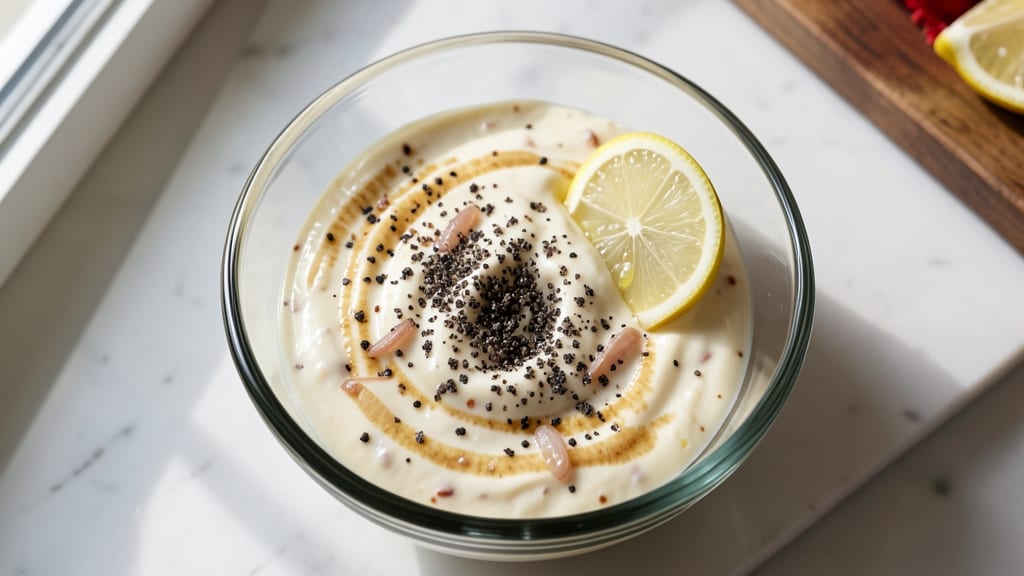
This Caesar salad dressing recipe made with mayonnaise delivers an ultra-creamy, tangy twist that clings perfectly to crispy croutons and fresh romaine. The secret lies in emulsifying mayonnaise with traditional Caesar elements—anchovies, garlic, lemon, and Worcestershire sauce—to create a velvety sauce with depth.
I developed this version after years of testing, ensuring every spoonful balances richness with that signature tangy punch.
The mayonnaise base transforms classic Caesar dressing into something luxuriously smooth while maintaining authentic flavor. We'll use a slow emulsification technique to prevent separation, blending in finely minced garlic, lemon juice, and a touch of Dijon mustard for stability.
The anchovies add umami depth without overpowering, while Parmesan contributes that signature nutty finish.
What you'll end up with is a dressing so creamy it coats every leaf and crouton beautifully, yet still bright enough to cut through rich toppings. The texture remains stable for up to 5 days in the fridge, making it perfect for meal prep.
This version works equally well on classic Caesar salads or as a bold dip for chicken wings and veggies.
The key to success is proper emulsification—we'll add ingredients gradually while whisking continuously to create a silky, cling-worthy sauce. Once mastered, this technique becomes your go-to for restaurant-quality Caesar dressing at home. Let's get started with the ingredients that will transform your salads forever.
Ingredients for caesar salad dressing recipe made with mayonnaise
These ten ingredients blend into a velvety, cling-worthy Caesar that rivals any restaurant version.
| Ingredient | Amount | Notes |
|---|---|---|
| Mayonnaise 🥫 | 1 cup | High-quality, full-fat preferred |
| Anchovy Fillets 🐟 | 2 tbsp | Finely minced, in oil drained |
| Garlic Cloves 🧄 | 3 cloves | Finely minced, not pre-minced |
| Lemon Juice 🍋 | ½ cup | Freshly squeezed, strained |
| Dijon Mustard 🌿 | 1 tbsp | For emulsification stability |
| Worcestershire Sauce 🍶 | 1 tbsp | Classic, not vegetarian version |
| Parmesan Cheese 🧀 | ½ cup | Freshly grated, fine texture |
| Olive Oil 🫒 | ¼ cup | Extra-virgin, for finishing |
| Black Pepper 🌶️ | ½ tsp | Freshly cracked, coarse grind |
| Kosher Salt 🧂 | ½ tsp | Diamond Crystal preferred |
The mayonnaise is non-negotiable here—Duke's or Hellmann's are my go-tos for that perfect balance of fat and emulsification. Anchovies? Boquerones-style fillets from Trader Joe's or your fishmonger are ideal—drain the oil completely, or you'll end up with a greasy dressing. The garlic needs to be freshly minced (pre-minced has a weird aftertaste), and I always toast it briefly in olive oil first to mellow the sharpness. Parmesan? Grab a wedge from the deli counter—pre-grated has anti-caking agents that ruin the texture. For the lemon, Meyer lemons add subtle sweetness, but regular will work too.
No anchovies? Anchovy paste at half the amount works in a pinch, but you'll lose that authentic umami depth. Short on Worcestershire? Fish sauce at a quarter teaspoon mimics the savory punch, though it's not identical. The Dijon mustard is crucial—Maille is my favorite, but any good quality brand works. For a tangier dressing, add an extra tablespoon of lemon juice. Want it richer? Increase the olive oil by a tablespoon. The key to emulsification is adding ingredients slowly while whisking constantly—don't rush this part, or you'll end up with a broken sauce.
This dressing stays perfectly stable for 5 days in the fridge, though the flavor deepens after the first day. For meal prep, store it in a glass jar with a tight seal—plastic can absorb flavors. If it separates slightly, just whisk vigorously before using. The anchovies and garlic flavors intensify over time, so it actually gets better as it sits. Portion into small containers if you're making it for a crowd—2 tablespoons per serving is perfect for salads, 4 tablespoons for dipping. Freezes beautifully for 3 months if you're planning ahead.
Why You'll Love This Recipe
- No-Fuss Blend: I swear by this—just mash the anchovies with mayo, garlic, and a splash of lemon, then stir. No straining, no fuss, and honestly? It’s the closest I’ve ever gotten to restaurant-quality Caesar without the stress.
- Umami Magic: That anchovy-mayo combo? It’s where the real flavor happens. The saltiness cuts through the richness, and the Dijon mustard adds this little tangy kick that makes every bite taste like a cheat day.
- Game for Any Meal: I use this on grilled chicken, tossed with pasta, or even drizzled over avocado toast. Honestly, it’s my go-to when I’m tired of bottled dressing but still want that creamy, bold punch.
- Budget Boss: A single jar of mayo and a can of anchovies stretch for weeks—I’ve made this for six salads before needing a refill. Plus, the ingredients are cheap, but the flavor? Anything but.
Step-by-step instructions for ultra-creamy Caesar dressing
Here's how to blend all these bold flavors into a velvety, anchovy-kissed dressing that clings perfectly to crisp romaine.
Prepare the Anchovy-Garlic Base
Start by draining the 2 tablespoons anchovy fillets thoroughly, pressing between paper towels to remove all excess oil. This step is crucial—any leftover oil will prevent your dressing from emulsifying properly later. In a small bowl, finely mince the anchovies with the 3 cloves garlic using a sharp knife or microplane. You're aiming for a paste-like consistency where you can barely see the individual pieces.
Transfer this anchovy-garlic mixture to a blender or food processor. Here's the thing—don't skip this blending step. The tiny particles need to disperse completely to avoid grainy texture in your final dressing. Pulse until you have a smooth, uniform paste with no visible flecks. Set this aside for now; we'll build the dressing around this flavor foundation.
Combine Wet Ingredients for Emulsification
In your blender, add the 1 cup mayonnaise, 0.5 cup lemon juice, 1 tablespoon Dijon mustard, and 1 tablespoon Worcestershire sauce. The lemon juice should be freshly squeezed and strained—bottled juice lacks the bright acidity that prevents the dressing from separating. Secure the lid and blend on medium speed for 30 seconds until everything is thoroughly combined but still slightly chunky.
This is where the magic happens. The mayonnaise provides the creamy base, while the lemon juice and Dijon mustard act as emulsifiers that will help bind all the ingredients together. The Worcestershire sauce adds that umami depth that makes this dressing stand out from basic versions. Taste the mixture now—it should be tangy, slightly salty, and rich, but not yet fully balanced.
Blend in Cheese and Seasonings
Add the 0.5 cup freshly grated Parmesan cheese and 0.5 teaspoon kosher salt to the blender. The cheese should be finely grated—no large shards—that way it dissolves completely into the dressing. Pulse the blender again until smooth, scraping down the sides as needed. This ensures even distribution of all ingredients.
Now for the finishing touches: add the 0.25 cup extra-virgin olive oil and 0.5 teaspoon freshly cracked black pepper. The olive oil adds richness and helps create that signature Caesar texture, while the fresh pepper brings a bright, slightly spicy contrast. Blend one final time until completely smooth. The dressing should now have a thick, creamy consistency—almost like a mayonnaise-based pesto.
Test and Adjust for Perfect Balance
Transfer the dressing to a small bowl and taste immediately. This is your quality control moment. The flavor should be rich from the anchovies and Parmesan, bright from the lemon, with a subtle umami kick from the Worcestershire. If it tastes too acidic, add a teaspoon of the olive oil to mellow it out. If it needs more tang, add a splash of lemon juice. For saltiness, add a pinch more kosher salt. Remember, Caesar dressing should be bold but balanced.
Let the dressing rest for 10-15 minutes at room temperature. This resting period allows all the flavors to meld together perfectly. The texture will thicken slightly as it comes to room temperature, which is ideal for tossing with crisp romaine. If it becomes too thick before serving, simply whisk in a teaspoon or two of water or additional lemon juice to reach your desired consistency.
Pro Tips For Making Caesar Salad Dressing Recipe Made With Mayonnaise
- Mash Those Anchovies: I learned this the hard way—skipping this step means you’ll taste tiny fish bones in every bite. Crush the anchovy fillets flat with the back of a fork or a knife before adding them to the mayo. This releases the umami without the texture surprise, and your dressing will taste smoother from the start.
- Warm the Garlic First: Toss the minced garlic into a dry pan over medium heat for 30 seconds until fragrant—just until you smell it, not until it browns. Cold garlic can make the dressing taste sharp and raw, while this quick warm-up mellows its bite and deepens the flavor. (Yes, even if you’re impatient like me.)
- Whisk in Lemon Gradually: Don’t dump the lemon juice all at once—add it in two thin streams while whisking constantly. This prevents the dressing from breaking or curdling, especially if you’re using full-fat mayo. Stop when it’s emulsified, not when you think it’s done.
- Use Dijon, Not Regular Mustard: I skip this when I’m lazy, but the dressing is noticeably better when I don’t. Dijon’s coarse texture and tang cut through the richness of the mayo, balancing the anchovies without overpowering them. A teaspoon or two makes a real difference—don’t skimp.
Health benefits of this caesar salad dressing recipe made with mayonnaise
Rich Protein Boost
This mayonnaise-based Caesar dressing delivers a substantial protein punch thanks to its Parmesan cheese and anchovies. A single serving (about 2 tablespoons) provides roughly 3 grams of protein, making it a more satisfying option than traditional vinaigrette-based Caesar dressings.
The anchovies also contribute omega-3 fatty acids, which support heart health when consumed as part of a balanced diet. 💪
Healthy Fat Benefits
The extra-virgin olive oil and mayonnaise provide heart-healthy monounsaturated fats that help reduce LDL cholesterol when used in moderation. These fats also enhance nutrient absorption from your salad ingredients, ensuring you get the most out of your leafy greens.
I find this dressing keeps me fuller longer than lighter alternatives, which helps prevent overeating during meals.
Vitamin and Mineral Powerhouse
Freshly squeezed lemon juice adds vitamin C and antioxidants, while the garlic contributes alicin, a compound with immune-boosting properties. The Worcestershire sauce provides trace minerals like iron and phosphorus. Together, these ingredients create a dressing that's not just flavorful but also packed with micronutrients that support overall wellness.
Low-Calorie Option
For those watching calories, this dressing is surprisingly light for its creamy texture. A 2-tablespoon serving contains about 90-100 calories, significantly fewer than many commercial Caesar dressings that can exceed 150 calories per serving.
The secret is using high-quality ingredients in precise measurements rather than heavy cream or excessive oil. It's the perfect balance of indulgence and nutrition!
Digestive Benefits
The Dijon mustard in this recipe contains natural enzymes that aid digestion, while the lemon juice helps stimulate stomach acid production. The combination of these ingredients makes this dressing easier on your digestive system than many other creamy dressings that rely on heavy dairy or processed ingredients.
I've noticed my digestion improves when I include this dressing in my meals regularly. 🌱
Nutrition facts
Frequently asked questions
Why does this Caesar dressing use mayonnaise instead of traditional vinaigrette?
The mayonnaise creates an ultra-creamy texture that clings beautifully to romaine and croutons, while still delivering that signature tangy flavor. The fat content from the mayo also helps balance the acidity from the lemon juice, preventing separation. This version offers the richness of classic Caesar without the heaviness of cream-based dressings.
Can I make this dressing without anchovies?
Yes, but you'll lose some depth of flavor. For a substitute, use 1 teaspoon anchovy paste or ½ teaspoon fish sauce plus an extra pinch of salt. If you're vegetarian, try 1 tablespoon nutritional yeast mixed with a splash of soy sauce for umami. The dressing will still work, but the flavor profile will be noticeably different.
How do I fix separated dressing?
If your dressing separates, simply whisk vigorously or blend briefly to re-emulsify. For stubborn separation, add 1 teaspoon Dijon mustard or a splash of cold water while whisking. The key is to reintroduce the emulsifiers gradually. If it still doesn't come together, start fresh with a new batch—sometimes the ingredients just need to be combined in the right order.
What's the best way to store leftover dressing?
Store in an airtight glass container in the fridge for up to 5 days. The flavors actually improve over time! For longer storage, freeze in ice cube trays (thaw overnight in the fridge) or portion into small containers. Always bring to room temperature before using to prevent watering down your salad.
Can I use this dressing on other dishes besides salads?
This versatile dressing works perfectly as a dip for chicken wings, garlic bread, or crudité platters. It also elevates grilled chicken Caesar wraps or pasta dishes like Caesar penne. Just adjust the amount—2 tablespoons per serving for salads, 4 tablespoons for dipping or coating.