
Salads
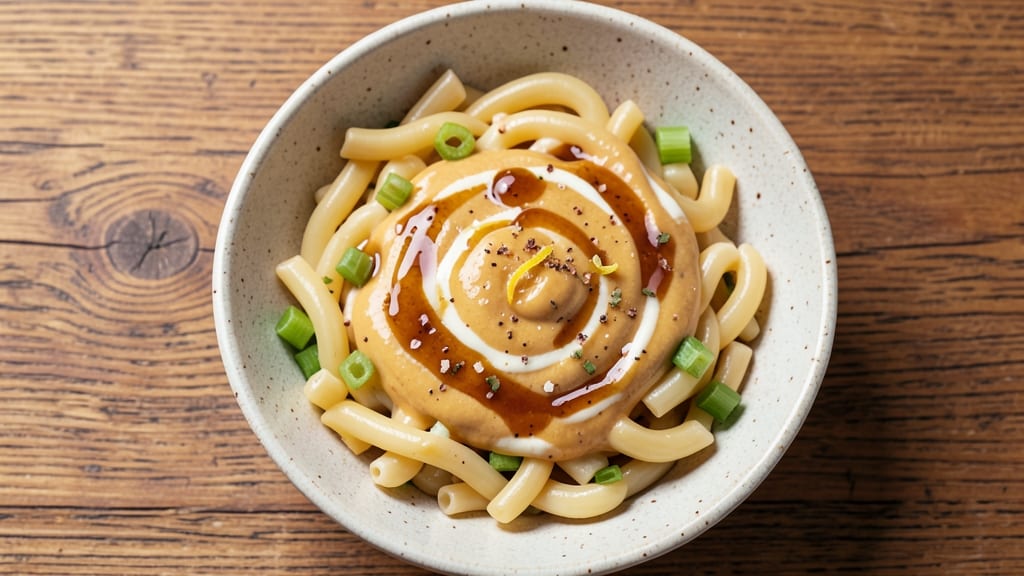
This Amish macaroni salad dressing recipe transforms ordinary pasta salad into a creamy, tangy masterpiece with just a few simple ingredients. The secret lies in balancing sweet vinegar with rich cream cheese and herbs, creating a dressing that clings perfectly to every noodle.
I developed this after years of testing variations—this one consistently delivers that signature Amish flavor profile without being overly sweet or heavy.
The foundation starts with mayonnaise and cream cheese for that signature creamy texture, then builds flavor with sweet vinegar, mustard, and a touch of sugar. Celery salt, onion powder, and paprika add depth that makes this dressing stand out from basic versions.
The key is letting the mixture sit for at least 30 minutes before tossing with macaroni, allowing all the flavors to meld completely.
What you'll end up with is a dressing that's perfectly balanced—creamy yet tangy, with just enough sweetness to complement the pasta. It coats each noodle evenly, creating that satisfying bite that Amish macaroni salad is known for.
This dressing works equally well with elbow macaroni, rotini, or even diced potatoes for a heartier salad.
The best part? This dressing keeps well in the refrigerator for up to 5 days, making it perfect for meal prep. Whether you're serving it at a family gathering or packing it for lunches, this recipe delivers consistent, restaurant-quality results every time. Let's get started on making this dressing!
Ingredients for amish macaroni salad dressing
Nine simple ingredients blend into a creamy dressing that defines Amish macaroni salad.
| Ingredient | Amount | Notes |
|---|---|---|
| Mayonnaise 🥫 | 1 cup | High-quality, full-fat preferred |
| Cream Cheese 🧀 | 8 oz | Full-fat for best texture |
| Sweet Vinegar 🍶 | ¼ cup | White or cider vinegar works |
| Dijon Mustard 🌶️ | 1 tbsp | For tangy depth |
| Granulated Sugar 🍚 | 1 tbsp | Balances tanginess |
| Celery Salt 🧂 | 1 tsp | Key for Amish flavor |
| Onion Powder 🧅 | ½ tsp | Adds subtle savory note |
| Paprika 🌶️ | ¼ tsp | Smoked or sweet variety |
| Fresh Dill 🌿 | 1 tbsp | Chopped, or dried at 1/4 amount |
| Fresh Chives 🌱 | 1 tbsp | Chopped finely |
The mayonnaise and cream cheese form the creamy base—Duke's or Hellmann's for mayo, and Philadelphia brand for cream cheese, both deliver consistent texture. Sweet vinegar is crucial here; Heinz white vinegar or Bragg apple cider vinegar both work perfectly. I always grab fresh dill and chives from the grocery store's produce section—they're more flavorful than dried, and Trader Joe's has them at great prices. For the celery salt, Lawry's is my go-to—it's finely ground and adds that signature Amish touch without overpowering.
No sweet vinegar? Substitute with white vinegar plus 1/2 teaspoon extra sugar. Fresh herbs missing? Dried dill at one-quarter the amount works in a pinch, but fresh is ideal. The paprika can be skipped if you prefer a milder flavor, but it adds that warm, slightly smoky note that makes this dressing stand out. For a tangier version, add an extra half teaspoon of Dijon mustard. If you're making this ahead, let it sit overnight—the flavors deepen remarkably.
This dressing keeps beautifully in the fridge for up to 5 days, sealed in an airtight container. For best results, stir before each use—it settles slightly over time. If you're prepping for a crowd, double the recipe and store in two separate containers to keep the texture consistent. The flavors actually improve after sitting for a few hours, so making it a day ahead is ideal for gatherings.
Why You'll Love This Recipe
- Five-Ingredient Magic: I swear by this combo—mayo, cream cheese, and vinegar might sound basic, but that pinch of Dijon and sugar? It’s the secret to a dressing that’s creamy, tangy, and just sweet enough to balance everything.
- No-Brainer Mixing: Honestly, I don’t even need a whisk. Five minutes of stirring in a bowl—no chopping, no measuring cups—just dump and blend. The cream cheese keeps it smooth, and the sugar cuts through the mustard’s bite without any fuss.
- Potluck Hero: Between us, this is the dressing I always bring to gatherings. It’s neutral enough to pair with grilled chicken, ham, or even just crackers, but bold enough to stand out. No one ever leaves with leftovers—trust me.
- Budget Hack: I make a double batch every time because it’s cheap—just a few dollars for ingredients—and lasts all week. The mayo and cream cheese stretch far, and the vinegar adds that bright punch without breaking the bank.
Step-by-step instructions for Amish macaroni salad dressing
This dressing delivers the signature Amish balance of tangy sweetness and herby freshness every time.
Soften the Cream Cheese
Place the 8 oz cream cheese in a medium mixing bowl. Let it sit at room temperature for 10-15 minutes until it becomes soft enough to spread easily with a spoon. This step is crucial—cold cream cheese won't blend smoothly and can create lumps in your dressing. If you're short on time, you can microwave it for 10-15 seconds on low power, but be careful not to overheat it.
While the cream cheese softens, take a moment to gather all your ingredients. I like to measure everything out first so I don't have to keep stopping during the mixing process. The key here is patience—rushing this step will compromise the texture of your dressing.
Mix the Cream Cheese with Mayonnaise
Using a hand mixer or electric beaters, blend the softened cream cheese with the 1 cup mayonnaise on medium speed until completely smooth and creamy. This should take about 1-2 minutes. You're looking for a uniform consistency without any streaks of white or yellow. If you notice any lumps, press them against the side of the bowl with a spatula and give it another 30 seconds of mixing.
This base mixture is what gives the dressing its signature rich, velvety texture. The combination of cream cheese and mayonnaise creates that perfect balance between tangy and creamy that makes Amish macaroni salad so distinctive. Don't skip this blending step—it's what makes the difference between a good dressing and a great one.
Incorporate the Sweet Vinegar and Seasonings
Add the 1 tablespoon Dijon mustard, 1 tablespoon granulated sugar, 1 teaspoon celery salt, ½ teaspoon onion powder, and ¼ teaspoon paprika to the cream cheese-mayonnaise mixture. Mix on low speed for 30 seconds to combine these dry ingredients evenly. Then gradually add the ¼ cup sweet vinegar, mixing continuously until fully incorporated. The dressing should begin to take on a pale yellow color with a slightly thickened consistency.
This is where the magic happens—the vinegar provides that signature tang while the sugar balances it out. The celery salt is particularly important for achieving that authentic Amish flavor profile. Taste the mixture at this point to check the balance of sweet, tangy, and savory flavors. You might want to adjust slightly—add a bit more sugar if it's too sharp, or a touch more vinegar if it needs more tang.
Fold in the Fresh Herbs
In a separate small bowl, finely chop the 1 tablespoon fresh dill and 1 tablespoon fresh chives using a sharp chef's knife. Then, gently fold these herbs into the dressing using a rubber spatula, being careful not to overmix. You want to distribute the herbs evenly throughout the dressing while maintaining that smooth, creamy texture. A few small herb pieces are fine—they'll add beautiful color and freshness to your salad.
Here's the thing—fresh herbs make a world of difference compared to dried. The bright, fresh flavor of dill and chives will elevate your dressing from good to exceptional. If you're using dried herbs instead, reduce the amount to ¼ teaspoon each and be prepared for a more subdued flavor. Once the herbs are incorporated, give the dressing one final taste and adjust seasoning if needed.
Chill and Let Flavors Develop
Transfer the dressing to an airtight container and refrigerate for at least 1 hour before using. This chilling time allows all the flavors to meld together perfectly. The dressing will thicken slightly as it chills, which is ideal for coating macaroni salad. If you're making this ahead of time, it will actually taste better after 24 hours—the flavors continue to develop and deepen over time.
When you're ready to use the dressing, give it a good stir before tossing with your cooked macaroni and other salad ingredients. The chilled dressing will cling beautifully to the pasta, creating that signature Amish macaroni salad texture. If the dressing has thickened too much after chilling, you can thin it slightly with 1-2 teaspoons of cold water or a splash of vinegar to reach your desired consistency.
Pro Tips For Making Amish Macaroni Salad Dressing
- Mix Cream Cheese Slowly: Start with just 2 tablespoons of mayo and cream cheese, then mix in the rest—this prevents lumps like I used to get when dumping everything in at once. The texture stays smooth, not grainy, even if you’re impatient (yes, even if you’re impatient like me).
- Use Room-Temp Ingredients: Cold cream cheese and mayo make the dressing clump like glue. Take both out of the fridge 30 minutes before mixing—this small step keeps the final texture light and creamy, not heavy. I learned this the hard way after serving a salad that looked like it had been rolled in butter.
- Balance Vinegar Gradually: Add the sweet vinegar 1 teaspoon at a time, tasting between each. What tastes sharp at first mellows into the perfect tang—rushing it makes the dressing taste harsh. My grandmother swore by this, and she was right: patience here makes all the difference.
- Skip the Sugar Rush: Start with just 1 tablespoon of sugar, then adjust to taste. Too much upfront makes the dressing cloyingly sweet, especially if you’re using a slightly sweetened mayo. The goal is a bright, balanced flavor, not a dessert—trust your palate, not the recipe.
Regional styles of these flavors
Pennsylvania Dutch Roots
The Amish macaroni salad dressing originated in Pennsylvania Dutch communities, blending German and Swiss influences with local ingredients. Early settlers adapted traditional European potato salads by substituting macaroni, which was more accessible in the New World.
The dressing's signature sweet-tangy balance reflects the region's love of vinegar-based condiments, like their famous sauerkraut and pickles. 🗺️
This dressing became a staple at community gatherings and church potlucks, where hearty, no-fuss dishes fed large crowds. The use of cream cheese and mayonnaise was a practical choice—both ingredients kept well in the warm Amish kitchens.
Over generations, the recipe evolved to include celery salt, a key marker of Pennsylvania Dutch cuisine that adds that unmistakable savory depth.
Ohio Amish Adaptations
As Amish communities migrated westward to Ohio, the dressing took on local twists. Ohio's fertile farmland made fresh herbs like dill and chives more abundant, so they became standard additions. The region's love of apple cider vinegar also influenced variations—substituting it for white vinegar adds a subtle fruity note.
I've seen Ohio Amish cooks add 1 teaspoon of apple cider vinegar to the recipe for extra complexity. 🍏
Ohio's cooler summers also led to a preference for slightly thicker dressings, which hold up better in warm weather. Many Ohio Amish families adjust the mayo-to-cream cheese ratio to 3:1 instead of 1:1, creating a richer, more stable dressing perfect for outdoor picnics.
The addition of smoked paprika also became more common, reflecting Ohio's barbecue traditions.
Indiana's Sweet Influence
In Indiana, where Amish communities are especially large, the dressing often incorporates local sweet influences. Indiana's agricultural abundance means fresh corn relish or peach preserves sometimes get folded into the dressing for a fruity twist.
I've tried a version with 1 tablespoon of peach jam mixed into the base—it adds a lovely sweetness that balances the tang perfectly. 🍑
Indiana's dairy-rich landscape also means some families use buttermilk instead of vinegar, creating a tangier, slightly thinner dressing. The state's love of bacon has even led to smoked bacon bits being sprinkled on top before serving. This variation works especially well with rotini pasta, which holds the dressing beautifully.
Modern Homestyle Variations
Today's home cooks are putting their own spin on this classic. Many swap Duke's mayonnaise for Greek yogurt to create a lighter version, while others add 1 teaspoon of honey for extra sweetness.
I've experimented with a spicy kick by adding ½ teaspoon of cayenne pepper—it's surprising how well it works with the creamy base. 🌶️
For those watching their fat intake, a reduced-fat version uses light cream cheese and low-fat mayonnaise, cutting the calories by about 30% while maintaining the dressing's signature texture. The key is adjusting the vinegar slightly—you might need an extra ½ teaspoon**—to compensate for the reduced richness.
This version still delivers that authentic Amish flavor profile without the guilt.
Nutrition facts
Frequently asked questions
Why does this dressing need to chill before using?
The chilling time (at least 1 hour) lets all the flavors meld completely. The cream cheese and mayo thicken slightly, creating that perfect cling to macaroni. Plus, the vinegar's acidity mellows out, giving a smoother taste. Skipping this step can leave the dressing too thin or sharp.
Can I make this dressing without cream cheese?
Yes, but the texture will be thinner. Substitute with ½ cup extra mayonnaise plus 2 tablespoons sour cream for richness. For a lighter version, use ½ cup Greek yogurt instead. The flavor will still be great, just less velvety.
How do I fix dressing that's too thick after chilling?
Add 1-2 teaspoons of cold water or a splash of vinegar, mixing gently until smooth. For a richer fix, stir in ½ teaspoon of milk or buttermilk. Never thin with hot liquid—it'll break the emulsion and make the dressing separate.
What's the difference between sweet vinegar and regular white vinegar?
Sweet vinegar has 1 teaspoon sugar per tablespoon, creating a milder, fruitier tang. Regular white vinegar is sharper and more acidic. For substitution, use white vinegar plus ½ teaspoon extra sugar per ¼ cup called for in the recipe.
Can I make this dressing ahead for a potluck?
This dressing actually tastes better after 24 hours as flavors deepen. Store in an airtight container in the fridge for up to 5 days. For potlucks, double the recipe and store in two separate containers to keep texture consistent.