Salads
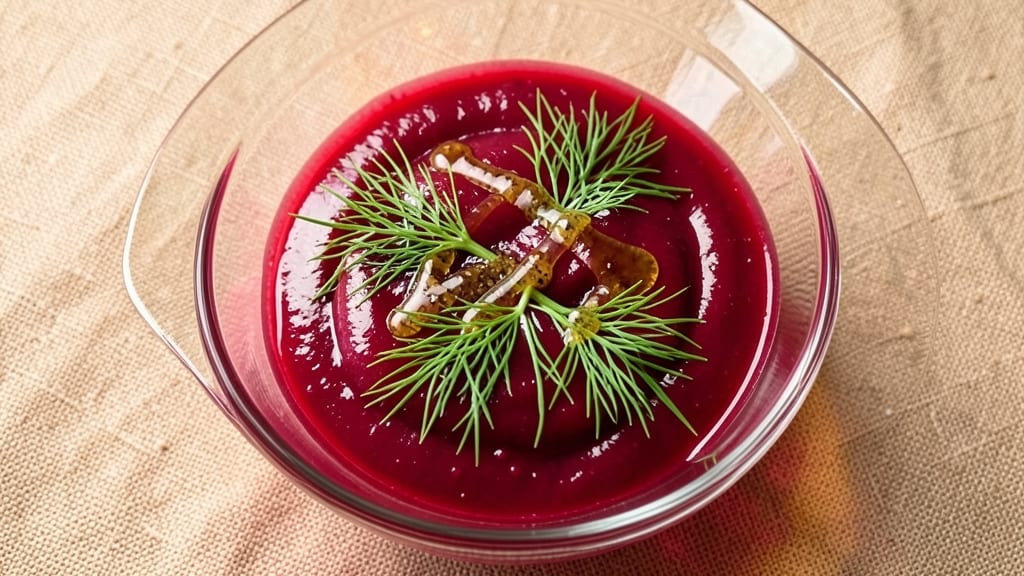
This beet juice salad dressing recipe transforms simple ingredients into a vibrant, tangy condiment that adds earthy sweetness and bold color to any dish. The secret lies in balancing beet juice's natural sweetness with sharp vinegar and fresh herbs, creating a dressing that's both complex and easy to make.
Perfect for health-conscious cooks, this version skips heavy oils while delivering rich flavor and a stunning magenta hue that makes every salad visually striking.
The preparation is straightforward: whisk together beet juice, apple cider vinegar, olive oil, Dijon mustard, and a touch of maple syrup for depth. Fresh dill and garlic add brightness, while a pinch of salt and black pepper rounds out the flavor profile.
What sets this apart is how the beet juice's natural sweetness mellows over time, allowing the tangy vinegar and herby notes to shine through.
What you'll end up with is a dressing that's equally at home on kale salads, grain bowls, or even drizzled over roasted vegetables. The vibrant color makes it a showstopper, while the balanced flavors—sweet, tangy, and herby—elevate even the simplest dishes.
Store it in the fridge for up to a week, where the flavors continue to meld and deepen.
Use it as a base for vinaigrettes, a marinade for grilled meats, or a dip for crudités. The possibilities are endless, but the preparation remains simple—just a few ingredients and minimal effort for maximum impact. Let's get started!
Ingredients for beet juice salad dressing
Simple ingredients that transform into a vibrant, tangy dressing with earthy sweetness and bold color.
| Ingredient | Amount | Notes |
|---|---|---|
| Beet Juice 🍠 | ½ cup | Freshly bottled or homemade |
| Apple Cider Vinegar 🍎 | ¼ cup | Raw and unfiltered preferred |
| Extra-Virgin Olive Oil 🫒 | ¼ cup | Light, fruity variety |
| Dijon Mustard 🍯 | 1 tbsp | High-quality, smooth texture |
| Pure Maple Syrup 🍁 | 1 tbsp | Grade A for best flavor |
| Fresh Dill 🌿 | ¼ cup | Chopped, stems removed |
| Garlic Cloves 🧄 | 2 cloves | Minced or finely chopped |
| Sea Salt 🧂 | ½ tsp | Fine grain preferred |
| Freshly Ground Black Pepper 🌶️ | ¼ tsp | Coarse grind preferred |
The beet juice is the star here—look for high-quality, freshly bottled juice at health food stores or make your own by juicing beets. Trader Joe's and Whole Foods carry excellent options, or check the organic produce section. Fresh dill is ideal, but if you're using dried, reduce to one-third the amount. The Dijon mustard adds depth, so Maille or a similar high-quality brand makes all the difference. Apple cider vinegar should be raw and unfiltered for the best tangy flavor, which you can find at most grocery stores or specialty shops.
No fresh dill? Fresh parsley or tarragon works in a pinch, though the flavor will differ slightly. Short on beet juice? Add a splash of pomegranate juice for extra depth. The olive oil can be swapped for avocado oil if you prefer a lighter texture, but extra-virgin olive oil adds richness. If you're sensitive to sweetness, reduce the maple syrup to half a tablespoon or use agave instead. For a spicier kick, add a pinch of cayenne or red pepper flakes. Always taste as you go—this dressing is meant to be balanced.
Store the dressing in an airtight container in the fridge, where it keeps for 1 week. The flavors actually improve over time, so making a batch ahead is ideal. If the color darkens, that just means it's developing more depth. For longer storage, freeze in ice cube trays for up to 3 months. Shake well before using, as the ingredients may separate slightly. The vibrant hue makes it perfect for garnishing soups or drizzling over roasted veggies, too.
Why You'll Love This Recipe
- Five-Ingredient Magic: I swear, this dressing comes together with just a whisk and a jar. No blending, no straining—just stir, taste, adjust. That beet juice’s earthy sweetness actually mellows into something silky smooth with the vinegar and mustard.
- Sweet-Savory Balance: The maple syrup and Dijon mustard team up to cut through the beet’s intensity, leaving a dressing that’s rich but bright. Honestly, it’s the kind of flavor that makes you drizzle way more than you should.
- Meal Prep MVP: This keeps beautifully in the fridge for up to a week—perfect for tossing with greens mid-week or packing for lunches. I’ve even used it as a marinade for roasted veggies (yes, really).
- Budget Brightener: Beet juice might sound fancy, but it’s cheaper than bottled dressings and lasts longer. Plus, the olive oil and vinegar stretch to dress multiple salads before needing a refresh. Smart spending, zero waste.
Step-by-step instructions for beet juice salad dressing
Whisk together these simple ingredients for a vibrant dressing that balances earthy sweetness with bright herb notes.
Combine Wet Ingredients in a Bowl
In a medium mixing bowl, pour in the 0.5 cup beet juice and 0.25 cup apple cider vinegar. The beet juice will add an earthy, slightly sweet depth while the vinegar provides the necessary tang to balance flavors. Stir them together until fully combined—you should see a deep ruby-red color develop.
Next, add the 0.25 cup extra-virgin olive oil in a slow, steady stream while whisking continuously. This gradual incorporation helps emulsify the dressing right from the start, preventing separation later. The olive oil should create a smooth, silky texture that coats the back of a spoon.
Incorporate Mustard and Maple Syrup
Add the 1 tablespoon Dijon mustard and 1 tablespoon pure maple syrup to the bowl. The Dijon mustard acts as a natural emulsifier, helping to bind the oil and vinegar mixture, while the maple syrup enhances the natural sweetness of the beets and adds a subtle complexity.
Whisk all ingredients together vigorously for about 1 minute until the mixture thickens slightly and becomes homogeneous. You'll notice the color darken further as the ingredients meld together. This step is crucial—don't rush it, as thorough mixing ensures a smooth, cohesive dressing without any graininess.
Add Aromatics and Seasonings
In a separate small bowl, finely chop the 2 cloves garlic and 0.25 cup fresh dill (stems removed). The garlic will add a sharp, aromatic punch, while the dill brings bright, herbal freshness that cuts through the richness of the olive oil. Add these to the dressing along with the 0.5 teaspoon sea salt and 0.25 teaspoon freshly ground black pepper.
Whisk everything together one final time until the garlic and dill are evenly distributed. The dressing should now have a vibrant, deep red hue with visible flecks of green dill. Taste a small spoonful and adjust seasoning if needed—you may want to add a pinch more salt or a splash of vinegar to achieve the perfect balance of sweet, tangy, and savory.
Let the Dressing Rest and Emulsify
Transfer the dressing to a clean jar or airtight container and let it sit at room temperature for at least 15 minutes. This resting period allows the flavors to fully meld and the emulsifiers (mustard and olive oil) to work their magic, creating a stable dressing that won't separate.
Before using, give the dressing a final stir. It should now have a velvety texture with a rich, vibrant color. The beet juice will give it a beautiful ruby hue that looks stunning drizzled over greens or paired with roasted vegetables. This dressing keeps well in the refrigerator for up to 5 days, making it perfect for meal prep.
Pro Tips For Making Beet Juice Salad Dressing
- STRAIN THE JUICE: Beet juice straight from the jar or fresh often has pulp—this dressing will turn gritty fast. Strain it through a fine-mesh sieve or cheesecloth first, even if the label says "juice only." I learned this the hard way when my first batch tasted fine but left a sandy film on every bite.
- WHISK IN STAGES: Add the apple cider vinegar and Dijon first, then slowly drizzle in the olive oil while whisking like you’re mixing a cake batter. Stopping mid-whisk leaves you with a separated mess—olive oil and vinegar don’t play nice without coaxing. Do it in a steady stream, and the dressing will emulsify smoothly.
- SWEETEN WITH PATIENCE: Maple syrup can turn this dressing cloyingly sweet if you dump it in all at once. Start with half the amount, taste, then add the rest one teaspoon at a time. The beet juice’s earthiness needs room to breathe—overdoing the sweetness kills the balance, and you’ll regret it after the first forkful.
- CHILL BEFORE USING: This dressing tastes flat straight out of the jar. Let it sit in the fridge for at least 30 minutes—preferably overnight—so the flavors meld. The acidity mellows, the mustard’s bite softens, and the beet’s deep notes come forward. I used to skip this, and the dressing always felt underwhelming until I did.
Essential equipment for this dish
Whisking Essentials
You don’t need fancy tools—just a good-quality whisk and a medium mixing bowl. I recommend a balloon whisk (like the OXO Good Grips brand) for its flexibility and durability.
The whisk should be stainless steel to prevent rust and ensure easy cleaning. A glass or ceramic bowl works best for whisking since it won’t scratch or absorb flavors. 💫
Storage Containers
For keeping your dressing fresh, use an airtight glass jar with a screw-top lid (like Le Parfait or Ball Mason jars). Glass preserves the vibrant color better than plastic and won’t react with acidic ingredients.
Store in the fridge for up to 1 week—the flavors actually deepen over time. For longer storage, freeze in ice cube trays for up to 3 months.
Juicing Tools
If you’re making your own beet juice, a high-speed blender (like Vitamix or Ninja) or a juicer (such as Breville JE98XL) works best. For a quick hack, use a food processor with a fine grating disc, but expect some pulp.
Always strain the juice through a fine-mesh sieve or cheesecloth to remove any bits. Freshly juiced beets yield the most vibrant dressing! 🍠
Optional Gadgets
For a smoother texture, consider a mini immersion blender (like Magimix) to blend in any herbs or garlic more finely. If you’re making large batches, a stand mixer with a whisk attachment (like KitchenAid) saves time and effort.
A small funnel also helps when transferring dressing into jars to avoid spills. These aren’t essential, but they make the process even easier. ✨
Nutrition facts
Frequently asked questions
Can I use store-bought beet juice or should I make my own?
Store-bought beet juice works perfectly—just choose a high-quality, freshly bottled version from health food stores. For the most vibrant color and flavor, homemade is ideal, but quality brands like Trader Joe's or Whole Foods offer excellent pre-made options. The key is avoiding overly processed juices with added sugars or preservatives.
How do I adjust the dressing if it's too sweet or tangy?
If it's too sweet, add 1-2 teaspoons more apple cider vinegar and whisk well. For extra tang, increase the vinegar by 1 tablespoon. Too thick? Thin with 1 teaspoon water or more vinegar. Too thin? Stir in 1/2 teaspoon Dijon mustard or 1/2 tablespoon maple syrup to thicken.
What are the best salads or dishes to pair with this dressing?
This vibrant dressing shines on kale salads, quinoa bowls, or roasted beet salads. It also works beautifully drizzled over grilled chicken, lentil soups, or as a dip for crudités. The earthy sweetness complements spicy dishes too—try it with taco bowls or roasted sweet potatoes.
Why did my dressing separate? How can I fix it?
Separation happens when oil and vinegar aren't properly emulsified. Fix it by whisking vigorously for 1-2 minutes or using a mini immersion blender to recombine. For future batches, ensure you whisk continuously when adding oil and let it rest 15 minutes before using. A pinch more Dijon mustard also helps stabilize the mixture.
Can I make this dressing without fresh dill?
Swap fresh dill for 1 tablespoon dried dill or 2 tablespoons fresh parsley. For a different herbal note, try tarragon or cilantro. If you're avoiding herbs entirely, add 1/2 teaspoon onion powder or 1/4 teaspoon smoked paprika for depth. The dressing will still taste delicious—just with a slightly different flavor profile.