Salads
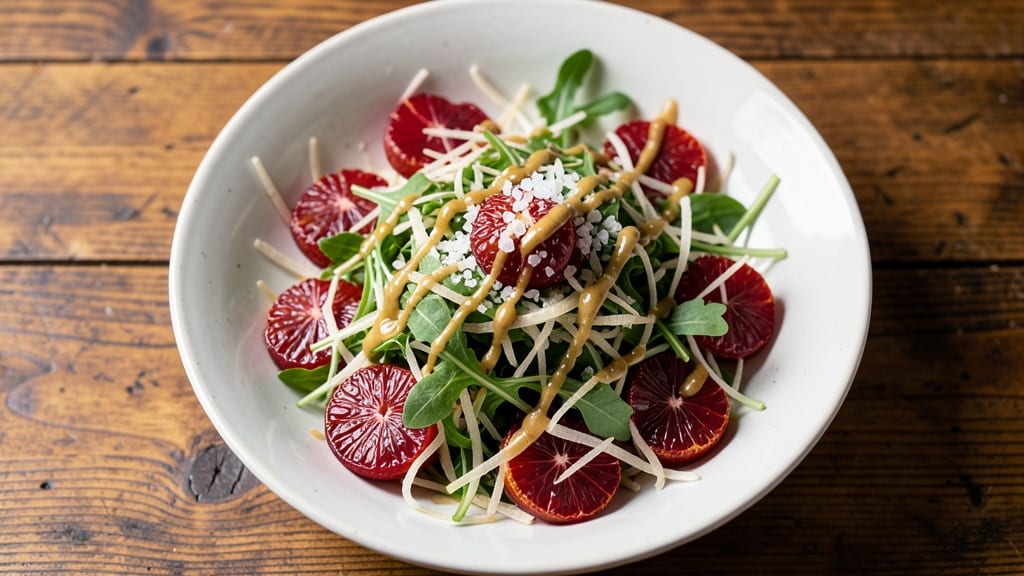
This blood orange and fennel salad recipe transforms winter ingredients into a vibrant, crunchy masterpiece that brightens any table. The deep ruby blood oranges provide a burst of citrus sweetness, while thinly shaved fennel adds an anise-like crunch that keeps every bite exciting.
I developed this dish after realizing how often fennel gets overlooked—until you learn to slice it properly, that is.
The secret lies in the technique: using a mandoline for even fennel shaves and carefully segmenting the blood oranges to preserve their juicy centers. A simple citrus vinaigrette ties everything together with just the right balance of tang and sweetness.
This salad isn't just visually stunning—it's packed with textures that make each bite satisfying.
What you'll end up with is a dish that's equal parts elegant and approachable, perfect for holiday gatherings or weeknight dinners when you crave something fresh. The blood oranges bring natural sweetness, the fennel adds complexity, and the arugula provides a peppery contrast that keeps flavors dynamic.
It's the kind of salad that makes people ask for seconds.
Serve this immediately after assembly to maintain crispness, or prepare components ahead and toss just before serving. The flavors develop beautifully when allowed to sit for 10-15 minutes, letting the citrus juices mingle with the fennel's natural oils. This is winter eating at its finest—bright, crunchy, and utterly refreshing.
Ingredients for blood orange and fennel salad
Bright citrus meets crisp fennel in this vibrant winter salad—just 12 ingredients for maximum flavor.
| Ingredient | Amount | Notes |
|---|---|---|
| Blood Oranges 🍊 | 2 whole | Segmented, juicy centers preserved |
| Bulb Fennel 🧅 | 1 whole | Thinly shaved, core removed |
| Baby Arugula 🌿 | 4 cups | Fresh, peppery leaves |
| Extra-Virgin Olive Oil 🫒 | ¼ cup | Light fruity variety |
| Blood Orange Juice 🍊 | ¼ cup | Freshly squeezed |
| Dijon Mustard 🌶️ | 1 tbsp | Mild or medium heat |
| Honey 🍯 | 1 tbsp | Wildflower preferred |
| Flaky Sea Salt 🧂 | ½ tsp | For finishing |
| Freshly Ground Black Pepper 🌶️ | ¼ tsp | Light hand preferred |
| Toasted Walnuts 🥜 | ¼ cup | Chopped, optional garnish |
| Lemon Zest 🍋 | 1 tsp | Bright yellow lemon |
| Fresh Thyme Leaves 🌿 | ¼ tsp | Finely chopped, optional |
The blood oranges are the star here. Look for deep ruby-colored ones—they're sweeter and more flavorful than pale varieties. Whole Foods or Trader Joe's usually carry the best selection, but any grocery store with a good produce section will have them in winter. For the fennel, choose a firm bulb with no soft spots—it should smell fresh and slightly sweet. If you're nervous about slicing it thinly, a mandoline is worth the investment. I use mine for everything from fennel to apples now. The arugula should be baby leaves—Oriole or Earthbound Farm brands are consistent in quality.
No blood oranges? Substitute regular navel oranges, but you'll lose that signature deep red color. Fennel too tricky to shave? Thinly sliced apple or pear adds crunch without the anise flavor. For the vinaigrette, substitute maple syrup for honey if you're avoiding it. The walnuts can be skipped, but if you're using them, toast them in a dry pan until golden—that makes all the difference. Fresh thyme? Dried works at one-third the amount, but fresh is so much brighter. And always zest your lemon fresh—bottled zest loses its punch fast.
This salad shines when assembled right before serving—keep components separate until the last minute to maintain crispness. The fennel will start to soften after 15 minutes, so prep it last. Store blood oranges at room temperature until ready to segment, and keep the fennel wrapped in a damp towel in the fridge for up to 3 days. The vinaigrette keeps for 5 days in an airtight container, but it's best fresh. Arugula stays crisp in the fridge for 4 days if wrapped in a dry towel—don't wash it until you're ready to assemble.
Why You'll Love This Recipe
- No Knife Skills Needed: I swear by this one—just slice the fennel thinly (no mandoline required) and halve those blood oranges like you’re opening a present. The arugula stays whole, and the dressing? Stirred in while you’re still thinking about what to eat next.
- Sweet-Savory Magic: That blood orange juice cuts through the fennel’s licorice bite like a breath of fresh air, while the arugula’s peppery kick ties it all together. Honestly, the first bite makes you question why you ever ate plain salads.
- Weeknight to Dinner Party: Same ingredients, different vibes: toss it with grilled chicken for a lunchbox, or pile it high for a holiday spread. The fennel holds up for days, so it’s my go-to when I’m prepping ahead but still want to feel fancy.
- Budget Brightener: Fennel lasts forever in the crisper, blood oranges are cheaper than you think when in season, and arugula? You can grow it in a pot if you’re feeling fancy. This salad proves you don’t need a gourmet grocery bill for a dish that feels like a splurge.
Step-by-step instructions for blood orange and fennel salad
Assemble this vibrant salad with precise technique for balanced flavors and perfect textures.
Prepare the Blood Oranges and Fennel
Slice the 2 whole blood oranges in half crosswise and gently segment them over a bowl, preserving the juicy centers. I use a sharp serrated knife and work carefully to avoid tearing the membranes. You should yield about 1½ cups of segments plus the 0.25 cup blood orange juice from the bowl.
Trim the 1 whole bulb fennel by slicing off the stem end and removing the core with a small knife. Then thinly shave the bulb lengthwise using a mandoline or sharp knife—aim for paper-thin slices about 1/16-inch thick. The shavings should yield roughly 2 cups when packed. Soak them immediately in cold water for 5 minutes to remove any bitterness, then drain well before using.
Make the Dressing
In a small bowl, whisk together the 0.25 cup extra-virgin olive oil, 0.25 cup blood orange juice, 1 tbsp Dijon mustard, and 1 tbsp honey until completely emulsified. The mixture should look silky and homogeneous, with no visible streaks of oil. Taste and adjust seasoning with 0.25 tsp freshly ground black pepper and 0.25 tsp flaky sea salt—this balances the sweetness and acidity.
Add the 1 tsp lemon zest and 0.25 tsp fresh thyme leaves, mixing gently to incorporate. The thyme adds subtle earthiness that complements the citrus notes. Let the dressing sit for 5 minutes to allow the flavors to meld before using—this makes a noticeable difference in complexity.
Assemble the Salad
In a large bowl, combine the 4 cups baby arugula with the drained fennel shavings and blood orange segments. Toss gently with your hands or a large spoon to distribute the ingredients evenly. The arugula's peppery bite contrasts beautifully with the sweet blood oranges and anise notes of the fennel.
Drizzle half of the dressing over the salad and toss again, being careful not to overmix. The arugula should be lightly coated but still retain its natural texture. Sprinkle the 0.25 cup toasted walnuts evenly over the top—their crunch provides essential texture contrast against the tender greens and citrus.
Finish and Serve
Divide the salad among 4 plates, reserving any extra dressing. Drizzle remaining dressing lightly over each serving and finish with an additional sprinkle of flaky sea salt and freshly cracked black pepper. The salt enhances the citrus flavors while the pepper adds subtle warmth.
Serve immediately while the fennel remains crisp and the dressing is still vibrant. For best presentation, arrange the salad on chilled plates and garnish with a few extra walnut halves and blood orange segments. This salad holds well for 1-2 hours before serving, though the fennel will soften slightly over time.
Pro Tips For Making Blood Orange And Fennel Salad
- Shave Fennel Thin: Use a mandoline or sharp knife to slice fennel paper-thin—any thicker and it turns mushy instead of crisp. I learned this the hard way after serving a salad where the fennel was still chewy. Save the tough core for broth or discard it.
- Peel Blood Oranges Right: Run a knife along the membrane between segments to loosen them, then pull them out whole—no peeling needed. Skipping this step means dealing with bitter pith or uneven slices. Works for both segments and juice.
- Dress Salad Last: Toss arugula and fennel with just olive oil and salt first, then add blood orange juice and segments right before serving. The acid softens the greens immediately, so timing matters. If you dress too early, it’ll wilt into a sad pile.
- Use Aged Blood Orange Juice: Let freshly juiced blood orange sit for 10 minutes before using—it mellows the sharpness and thickens slightly. I was skeptical until I tried it; the flavor is smoother and the dressing clings better to the salad. No waiting? Dilute with a splash of water.
Storing and reheating your blood orange and fennel salad
Fridge Storage Tips
Store blood orange segments and fennel shavings separately in airtight containers to maintain crispness. The citrus segments keep best at room temperature for 1-2 days, but if refrigerating, place them in a single layer on a paper towel-lined plate to prevent sogginess.
Fennel stays fresh for up to 3 days when wrapped in a damp paper towel inside a sealed container—this mimics the humidity it loves in the earth. 🧅
Dressing Preservation
Make the citrus vinaigrette fresh for optimal flavor, but if prepping ahead, store it in a small glass jar with a tight-sealing lid. The dressing lasts 5 days in the fridge, though the honey may separate slightly.
Give it a quick whisk before using—just add 1 tsp water if it thickens too much. Baby arugula stays crisp for 4 days when wrapped in a dry towel and stored in a sealed container. Never wash it until ready to assemble!
Reheating Method
This salad isn't meant to be reheated—it's all about that fresh crunch! However, if you've prepped components ahead, revive the fennel by soaking it in ice water for 5 minutes before draining.
For the dressing, gently warm it in a small saucepan over low heat for 1-2 minutes while whisking constantly. Toss the cooled salad with the warmed dressing just before serving to maintain texture contrast. The blood orange segments will soften slightly but still deliver that essential citrus punch. 💫
Make-Ahead Strategy
Prep all components separately the night before for a stress-free morning assembly. Store the fennel shavings in a sealed container with a damp paper towel, and keep the blood orange segments in a separate container lined with paper towels.
The arugula can be stored in a sealed bag with a dry paper towel. In the morning, simply toss everything together with the freshly made dressing. This method preserves textures while letting flavors develop beautifully overnight. 📅
Freezing Considerations
While this salad doesn't freeze well due to texture loss, you can freeze individual components. Fennel shavings freeze for up to 2 months when packed in a single layer on a tray, then transferred to a sealed bag.
Blood orange segments lose their crispness when frozen, but you can freeze the juice separately for smoothies or dressings. Arugula becomes mushy when thawed, so it's best to assemble fresh whenever possible. Always thaw frozen fennel in the fridge overnight before using. ❄️
Nutrition facts
Frequently asked questions
Can I substitute regular oranges for blood oranges in this salad?
Yes, but you'll lose the signature deep red color and slightly sweeter flavor. Use navel oranges instead—they're the closest in sweetness. For maximum citrus impact, add an extra ½ tsp of honey to the dressing to compensate for the milder flavor. The texture and crunch will remain identical.
Why does my fennel taste bitter? How do I fix it?
Fresh fennel should taste sweet and slightly licorice-like, never bitter. If yours tastes bitter, it's likely from the bulb's core or overhandling. Always remove the core completely and soak the shavings in cold water for 5 minutes before using. For extra insurance, blanch the fennel in boiling water for 30 seconds before slicing.
How do I make the dressing thicker or thinner?
For a thicker dressing, whisk in 1 tsp of Dijon mustard or add 1 tsp of honey. For a thinner consistency, gradually add 1 tsp of water or blood orange juice at a time while whisking. Always taste as you go—the dressing should coat the back of a spoon but not be syrupy. The perfect ratio is silky with no visible oil separation.
What's the best way to slice fennel without a mandoline?
Use a sharp chef's knife and the "stack and slice" method: Place the fennel bulb on its side and slice off ⅛-inch thick pieces by rocking the knife gently. For ultra-thin slices, stack 3-4 slices together and cut through all at once. Work quickly to prevent browning—keep the fennel submerged in cold water between cuts.
Can I add protein to this salad?
Grilled chicken, seared shrimp, or smoked salmon work beautifully. For chicken, use 1 cup of diced, grilled breast (about ½ lb) and toss it in just before serving. For shrimp, sauté ½ lb in olive oil with garlic and lemon zest until pink. Add protein just before serving to maintain crispness in the fennel and greens.